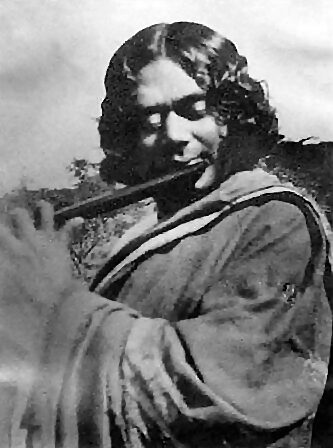
Notuner Gaan
Notuner Gaan is a national marching song of Bangladesh. It came out in 1928.
- Released
- 1928
- Genre
- Nazrul Geeti
- Country of origin
- British Raj
All 6 facts, and where they come from
Facts
6 facts · 0 confirmed by two sources · 1 cited · 5 from one source
Where this comes from
Papalocal keeps its own record. It started from these sources; what each one said is kept here as it was copied, so a change on their side never changes this page by itself. Tap one to read its version.
What Wikidata says · copied November 17, 2026 · revision 2525968416
- Described as
- national marching song of Bangladesh
- What it is
- musical work/composition
- Music by
- Kazi Nazrul Islam
- Genre
- Nazrul Geeti
- Released
- 1928 · 1 reference
- Language
- Bangla
- Country of origin
- British Raj
- Wikipedias with a page
- 7
Wikidata item Q13057836 (wikidata.org/wiki/Q13057836), public domain (CC0). Copied 2026-11-17.
What Wikipedia says · copied November 17, 2026 · revision 1381643730
"Notuner Gan", more popularly known by its incipit "Chol Chol Chol", is the national march of Bangladesh, whose lyrics and tune were written by national poet Kazi Nazrul Islam in 1928. It was first published in the newspaper Shikha (শিখা 'Flame') with the title Notuner Gaan, and was later included in Nazrul's book Sandha (সন্ধ্যা 'Evening'). The Bangladeshi government adopted this song as the national marching song of Bangladesh on 13 January 1972 in its first meeting after the country's independence. The first lines of the song are played at most military ceremonies or functions. The Daily Star has referred to it as the national military song. It was proposed for the national anthem of Bangladesh in 1975. The song ranked 18th in the list of the twenty greatest Bengali songs of all time in a 2006 survey conducted by BBC Bangla.
From the Wikipedia article “Notuner Gaan” (en.wikipedia.org/wiki/Notuner_Gaan), by its contributors, under CC BY-SA 4.0 (creativecommons.org/licenses/by-sa/4.0/). Copied 2026-11-17; not changed.
Confirmed Two sources agree. Cited One source, and it names where it got it. One source One source, without a reference of its own. Sources disagree The sources disagree. We show the best-supported value and keep theirs below.