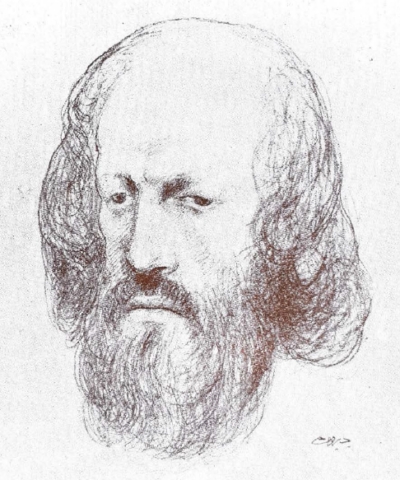
On Legal theory of Muslim Jurisprudence
On Legal theory of Muslim Jurisprudence is a book by Al-Ghazali.
- Written by
- Al-Ghazali
- Country of origin
- Iran
All 4 facts, and where they come from
Facts
4 facts · 0 confirmed by two sources · 0 cited · 4 from one source
Where this comes from
Papalocal keeps its own record. It started from these sources; what each one said is kept here as it was copied, so a change on their side never changes this page by itself. Tap one to read its version.
What Wikidata says · copied November 17, 2026 · revision 2495498383
- Described as
- book by Al-Ghazali
- Other names
- المستصفى من علم الأصول
- What it is
- literary work
- Written by
- Al-Ghazali · 1 reference
- Language
- Arabic · 1 reference
- Country of origin
- Iran · 1 reference
- Wikipedias with a page
- 4
Wikidata item Q12192939 (wikidata.org/wiki/Q12192939), public domain (CC0). Copied 2026-11-17.
What Wikipedia says · copied November 17, 2026 · revision 1384439820
Al-mustasfa min 'ilm al-usul (Arabic: المستصفى من علم الأصول) or On Legal theory of Muslim Jurisprudence is a 12th-century treatise written by Abū Ḥāmid Muḥammad ibn Muḥammad al-Ghazali (Q.S) the leading legal theorist of his time. It is a highly celebrated work of Ghazali on Usul Al-Fiqh and is ranked as one of the four great works in this subject. The other three including Al-Qadi Abd al-Jabbar who authored al-Qadi's al-`Umad, Abu al-Husayn al-Basri who authored al-Basri's al-Mu`tamad (commentary on al-`Umad) and Al-Juwayni who authored Al-Burhan.
From the Wikipedia article “On Legal Theory of Muslim Jurisprudence” (en.wikipedia.org/wiki/On_Legal_Theory_of_Muslim_Jurisprudence), by its contributors, under CC BY-SA 4.0 (creativecommons.org/licenses/by-sa/4.0/). Copied 2026-11-17; not changed.
Confirmed Two sources agree. Cited One source, and it names where it got it. One source One source, without a reference of its own. Sources disagree The sources disagree. We show the best-supported value and keep theirs below.