
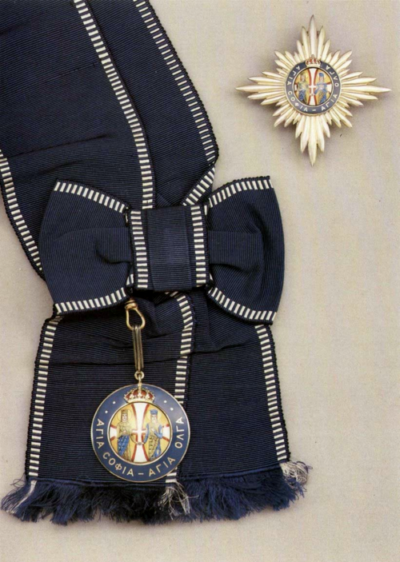
Order of Saints Olga and Sophia
Order of Saints Olga and Sophia is an Order of the Greek royal family. It was created in 1936.
- Country
- Kingdom of Greece
- Created
- January 1936
All 3 facts, and where they come from
Facts
3 facts · 0 confirmed by two sources · 0 cited · 3 from one source
Where this comes from
Papalocal keeps its own record. It started from these sources; what each one said is kept here as it was copied, so a change on their side never changes this page by itself. Tap one to read its version.
What Wikidata says · copied November 17, 2026 · revision 2470511687
- Described as
- Order of the Greek royal family
- What it is
- order of chivalry for women
- Created
- January 1936
- Country
- Kingdom of Greece
- Wikipedias with a page
- 16
Wikidata item Q682749 (wikidata.org/wiki/Q682749), public domain (CC0). Copied 2026-11-17.
What Wikipedia says · copied November 17, 2026 · revision 1379601229
The Royal Family Order of Saints Olga and Sophia (Greek: Βασιλικόν Οἰκογενειακόν Τάγμα Ἁγίων Ὂλγας καὶ Σοφίας, romanized: Vasilikon Oikogeneiakon Tagma Agion Olgas kai Sofias) is an order of the Greek royal family. Reserved for women, it was the third highest honour of the modern Greek state and the Crown after the Order of the Redeemer and the male-only Order of Saints George and Constantine. It was instituted in January 1936, by King George II in the memory of his grandmother (Queen Olga) and his mother (Queen Sophia).
The Greek state stopped awarding the order in 1973, following the abolishment of the monarchy. Since the abolition of the monarchy, the order is awarded by the head of the former Greek royal family.
From the Wikipedia article “Order of Saints Olga and Sophia” (en.wikipedia.org/wiki/Order_of_Saints_Olga_and_Sophia), by its contributors, under CC BY-SA 4.0 (creativecommons.org/licenses/by-sa/4.0/). Copied 2026-11-17; not changed.
Confirmed Two sources agree. Cited One source, and it names where it got it. One source One source, without a reference of its own. Sources disagree The sources disagree. We show the best-supported value and keep theirs below.
Picture: Kwasura, via Wikimedia Commons · Public domain
People connected 11
Won it
 Princess Alexia of Greece and Denmark (1965)Greco-Danish princess (born 1965); eldest child of Constantine II and Anne-Marie of Denmark
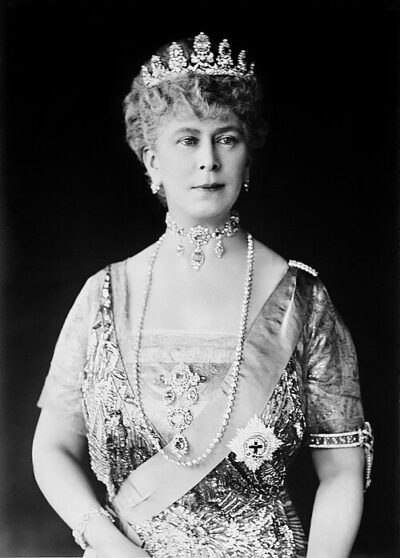 Mary of TeckQueen consort of the United Kingdom from 1910 to 1936
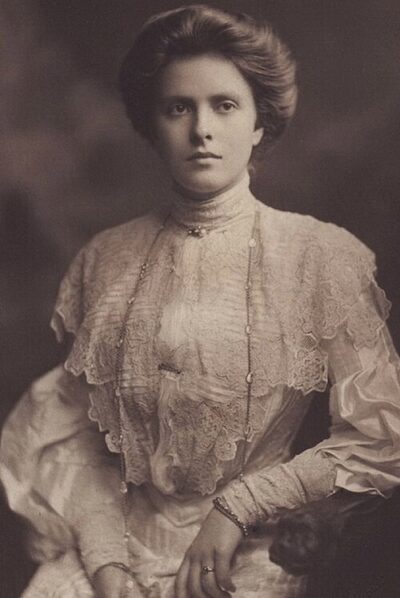 Princess Alice of BattenbergMember of the House of Battenberg (1885–1969)
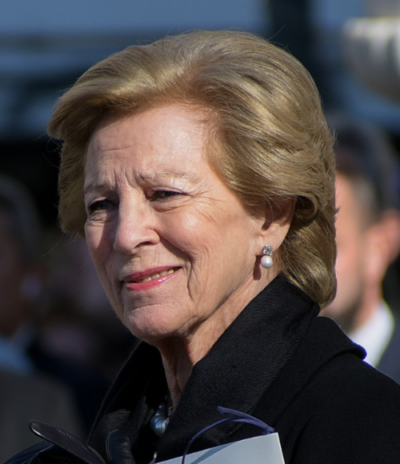 Queen Anne-Marie of GreeceQueen consort of Greece from 1964 to 1973
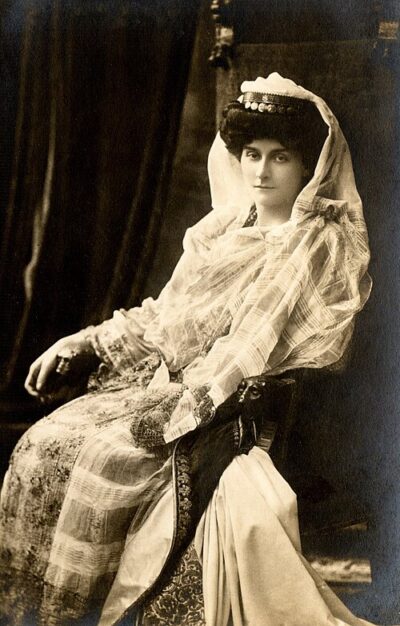 Marie BonaparteFrench author and psychoanalyst (1882-1962)
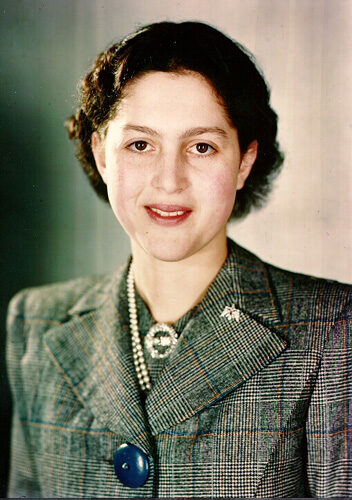 Alexandra of Yugoslaviaqueen consort of Yugoslavia from 1944 to 1945
 Princess Irene of Greece and DenmarkPrincess of Greece and Denmark (1942–2026)
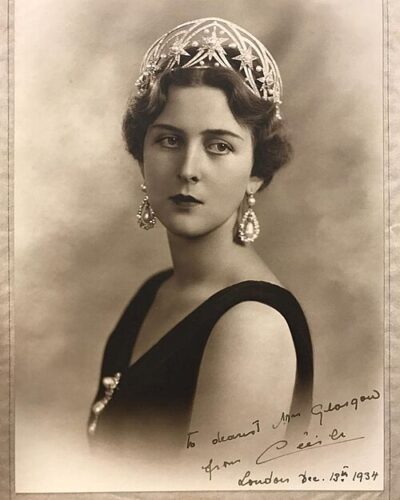 Princess Cecilie of Greece and DenmarkGreek and Danish princess
 Queen Anne of RomaniaRomanian and Parmese Royal (1923–2016)
 Princess Theodora of Greece and DenmarkDanish-Greek princess (born 1983)
 Princess Maria-Olympia of Greece and Denmarkdaughter of Pavlos, Crown Prince of Greece, and Marie-Chantal, Crown Princess of Greece
