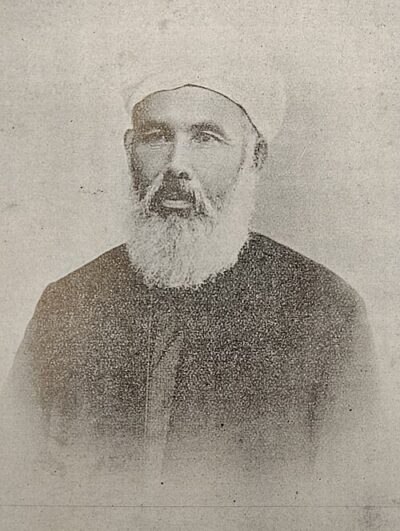
Orenburg Muslim Spiritual Assembly
The Orenburg Muslim Spiritual Assembly is a Russian state-controlled religious administration. It was founded in 1788. Its headquarters are in Ufa.
- Founded
- 1788
- Headquarters
- Ufa
- Country
- Russian Empire
All 7 facts, and where they come from
Facts
7 facts · 0 confirmed by two sources · 0 cited · 7 from one source
Where this comes from
Papalocal keeps its own record. It started from these sources; what each one said is kept here as it was copied, so a change on their side never changes this page by itself. Tap one to read its version.
What Wikidata says · copied November 19, 2026 · revision 2418517709
- Described as
- Russian state-controlled religious administration
- What it is
- Islamic organization; Spiritual Administration of the Muslims; religious administrative territorial entity
- Followed by
- Dinia Nazaraty
- Founded
- 1788
- Headquarters
- Ufa
- Country
- Russian Empire
- Wikipedias with a page
- 13
Wikidata item Q1974871 (wikidata.org/wiki/Q1974871), public domain (CC0). Copied 2026-11-19.
What Wikipedia says · copied November 19, 2026 · revision 1383337997
The Orenburg Muslim Spiritual Assembly (Russian: Оренбургское магометанское духовное собрание) was a state-controlled religious administration in the Russian Empire that had jurisdiction over certain aspects of Islamic activity in Siberia, the Volga-Ural region, and parts of Central Asia, including the Kazakh steppe. It was established in 1788 by order of Russian Empress Catherine II.
It was one of several religious bodies created in the Russian Empire, forming state-allied 'clergies' to manage non-Orthodox religions.
From the Wikipedia article “Orenburg Muslim Spiritual Assembly” (en.wikipedia.org/wiki/Orenburg_Muslim_Spiritual_Assembly), by its contributors, under CC BY-SA 4.0 (creativecommons.org/licenses/by-sa/4.0/). Copied 2026-11-19; not changed.
Confirmed Two sources agree. Cited One source, and it names where it got it. One source One source, without a reference of its own. Sources disagree The sources disagree. We show the best-supported value and keep theirs below.