Orfeo ed Euridice
Orfeo ed Euridice is an opera by Christoph Willibald Gluck. It came out in 1762. It is based on Georgics.
- Released
- 18th century
- Came out
- 1762
- Genre
- opera
All 7 facts, and where they come from
Facts
7 facts · 0 confirmed by two sources · 2 cited · 5 from one source
Where this comes from
Papalocal keeps its own record. It started from these sources; what each one said is kept here as it was copied, so a change on their side never changes this page by itself. Tap one to read its version.
What Wikidata says · copied November 17, 2026 · revision 2483493514
- Described as
- opera by Christoph Willibald Gluck
- Other names
- Orphée et Eurydice, Orphee et Eurydice, Orpheus and Eurydice
- What it is
- dramatico-musical work
- Music by
- Christoph Willibald von Gluck · 1 reference
- Genre
- opera · 1 reference
- Released
- 18th century
- Language
- Italian
- Based on
- Georgics
- Came out
- 1762
- Wikipedias with a page
- 36
Wikidata item Q723776 (wikidata.org/wiki/Q723776), public domain (CC0). Copied 2026-11-17.
What Wikipedia says · copied November 17, 2026 · revision 1380482115
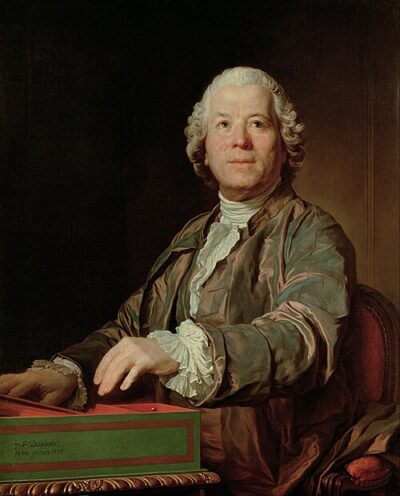
Orfeo ed Euridice (Italian: [orˈfɛːo ed euriˈdiːtʃe]; French: Orphée et Eurydice; English: Orpheus and Eurydice) is an opera composed by Christoph Willibald Gluck, based on the myth of Orpheus and set to a libretto by Ranieri de' Calzabigi. It belongs to the genre of the azione teatrale, meaning an opera on a mythological subject with choruses and dancing. The piece was first performed at the Burgtheater in Vienna on 5 October 1762, in the presence of Empress Maria Theresa. Orfeo ed Euridice is the first of Gluck's "reform" operas, in which he attempted to replace the abstruse plots and overly complex music of opera seria with a "noble simplicity" in both the music and the drama.
The opera is the most popular of Gluck's works, and was one of the most influential on subsequent German operas. Though originally set to an Italian libretto, Orfeo ed Euridice owes much to the genre of French opera, particularly in its use of accompanied recitative and a general absence of vocal virtuosity. Indeed, twelve years after the 1762 premiere, Gluck re-adapted the opera to suit the tastes of a Parisian audience at the Académie Royale de Musique with a libretto by Pierre-Louis Moline. This reworking was given the title Orphée et Eurydice, and several alterations were made in vocal casting and orchestration to suit French tastes.
From the Wikipedia article “Orfeo ed Euridice” (en.wikipedia.org/wiki/Orfeo_ed_Euridice), by its contributors, under CC BY-SA 4.0 (creativecommons.org/licenses/by-sa/4.0/). Copied 2026-11-17; not changed.
Confirmed Two sources agree. Cited One source, and it names where it got it. One source One source, without a reference of its own. Sources disagree The sources disagree. We show the best-supported value and keep theirs below.
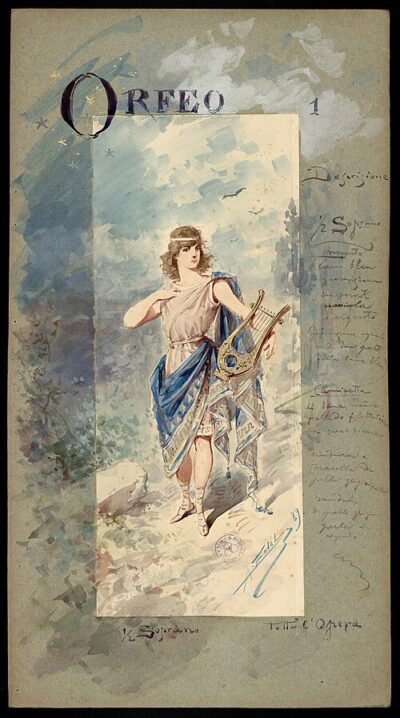
Picture: Alfredo Edel Colorno, via Wikimedia Commons · CC BY-SA 4.0