
Oskar Pfister Award
Oskar Pfister Award is an American award for contributions to the understanding of the interrelationships between religion and psychiatry (1983–). It is given by the American Psychiatric Association.
- Given by
- American Psychiatric Association
- Country
- United States
- Created
- 1983
All 7 facts, and where they come from
Facts
7 facts · 0 confirmed by two sources · 0 cited · 7 from one source
Where this comes from
Papalocal keeps its own record. It started from these sources; what each one said is kept here as it was copied, so a change on their side never changes this page by itself. Tap one to read its version.
What Wikidata says · copied November 16, 2026 · revision 2504490720
- Described as
- American award for contributions to the understanding of the interrelationships between religion and psychiatry (1983–)
- Other names
- Pfister Award
- What it is
- award; medicine award; psychology award
- Created
- 1983 · 1 reference
- Country
- United States
- Given by
- American Psychiatric Association
- Named after
- Oskar Pfister · 1 reference
- Wikipedias with a page
- 5
Wikidata item Q3656174 (wikidata.org/wiki/Q3656174), public domain (CC0). Copied 2026-11-16.
What Wikipedia says · copied November 16, 2026 · revision 1378841191
The Oskar Pfister Award was established by the American Psychiatric Association (APA), with the Association of Mental Health Clergy (now the Association of Professional Chaplains), in 1983 to honor those who have made significant contributions to the field of religion and psychiatry. The recipient delivers a lecture at an APA conference during the year of award, although the 2002 lecture was delivered by Susan Larson on behalf of her late husband. The award is named in honor of Oskar Pfister, a chaplain who discussed the religious aspects of psychology with Sigmund Freud.
From the Wikipedia article “Oskar Pfister Award” (en.wikipedia.org/wiki/Oskar_Pfister_Award), by its contributors, under CC BY-SA 4.0 (creativecommons.org/licenses/by-sa/4.0/). Copied 2026-11-16; not changed.
Confirmed Two sources agree. Cited One source, and it names where it got it. One source One source, without a reference of its own. Sources disagree The sources disagree. We show the best-supported value and keep theirs below.
People connected 7
Won it
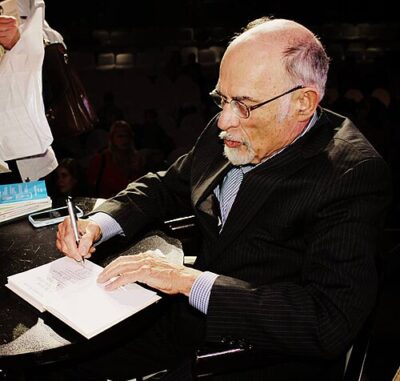 Irvin Yalom (2001)American psychotherapist and writer
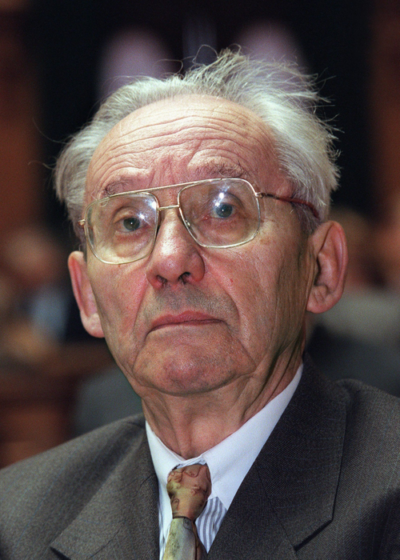 Paul Ricœur (2000)French philosopher (1913–2005)
- PPeter Gay (1990)German-American historian and author (1923–2015)
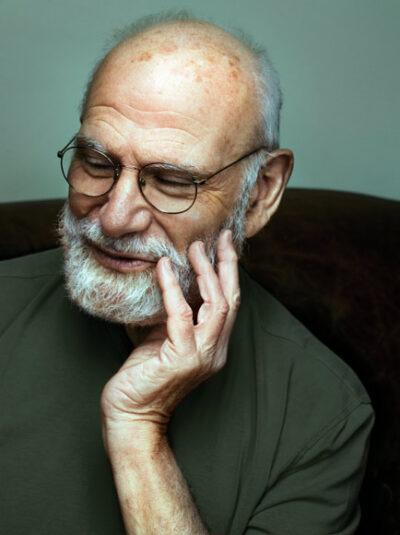 Oliver Sacks (1988)British neurologist and writer (1933–2015)
 Robert Jay Lifton (1987)American psychiatrist and author (1926–2025)
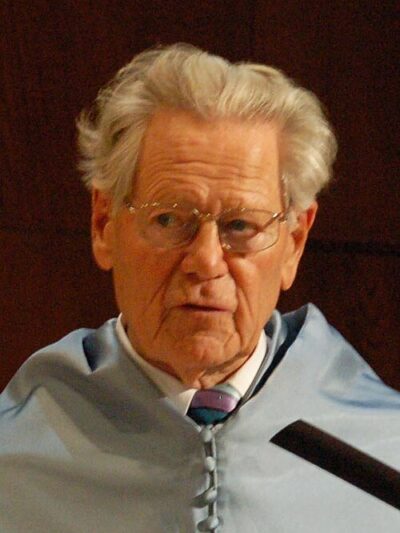 Hans Küng (1986)Swiss Catholic priest, theologian and author (1928-2021)
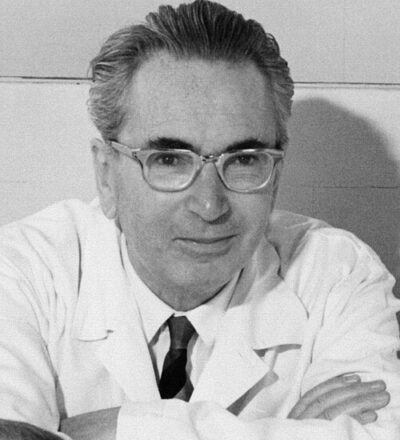 Viktor Frankl (1985)Austrian Holocaust survivor, psychiatrist, philosopher and author (1905–1997)
