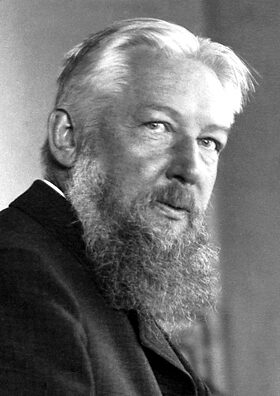
Ostwald process
Ostwald process is a chemical process for producing nitric acid from ammonia and oxygen. It came out in 1902.
- Released
- March 20, 1902
All 4 facts, and where they come from
Facts
4 facts · 0 confirmed by two sources · 0 cited · 4 from one source
Where this comes from
Papalocal keeps its own record. It started from these sources; what each one said is kept here as it was copied, so a change on their side never changes this page by itself. Tap one to read its version.
What Wikidata says · copied November 17, 2026 · revision 2549076683
- Described as
- chemical process for producing nitric acid from ammonia and oxygen
- What it is
- chemical process; industrial process
- Released
- March 20, 1902
- Named after
- Wilhelm Ostwald
- Wikipedias with a page
- 29
Wikidata item Q591214 (wikidata.org/wiki/Q591214), public domain (CC0). Copied 2026-11-17.
What Wikipedia says · copied November 17, 2026 · revision 1372013704
The Ostwald process is a chemical process used for making nitric acid (HNO3). The Ostwald process is a mainstay of the modern chemical industry, and it provides the main raw material for the most common type of fertilizer production. Historically and practically, the Ostwald process is closely associated with the Haber process, which provides the requisite raw material, ammonia (NH3). This method is preferred over other methods of nitric acid production because it is less expensive and more efficient.
From the Wikipedia article “Ostwald process” (en.wikipedia.org/wiki/Ostwald_process), by its contributors, under CC BY-SA 4.0 (creativecommons.org/licenses/by-sa/4.0/). Copied 2026-11-17; not changed.
Confirmed Two sources agree. Cited One source, and it names where it got it. One source One source, without a reference of its own. Sources disagree The sources disagree. We show the best-supported value and keep theirs below.
Picture: Wikimedia Commons: Ostwaldverfahren Laboraufbau.jpeg · See Commons file page