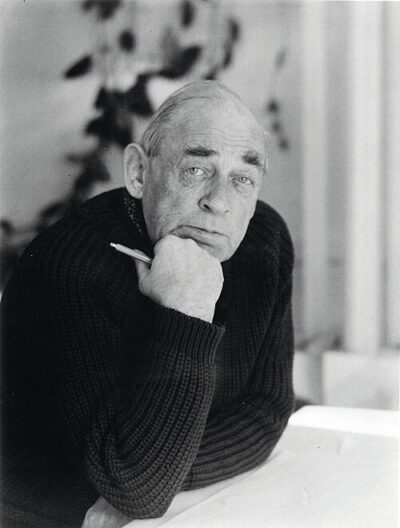
Paimio Sanatorium
Paimio Sanatorium is a former tuberculosis sanatorium in Paimio, Finland. It came out in 1933.
- Came out
- 1933
All 5 facts, and where they come from
Facts
5 facts · 0 confirmed by two sources · 3 cited · 2 from one source
Where this comes from
Papalocal keeps its own record. It started from these sources; what each one said is kept here as it was copied, so a change on their side never changes this page by itself. Tap one to read its version.
What Wikidata says · copied November 17, 2026 · revision 2528351211
- Described as
- former tuberculosis sanatorium in Paimio, Finland
- What it is
- sanatorium · 1 reference; tuberculosis sanatorium
- Came out
- 1933 · 2 references
- Located in
- Paimio · 2 references
- Country
- Finland · 1 reference
- Wikipedias with a page
- 16
Wikidata item Q368706 (wikidata.org/wiki/Q368706), public domain (CC0). Copied 2026-11-17.
What Wikipedia says · copied November 17, 2026 · revision 1382623227
Paimio Sanatorium (Finnish: Paimion parantola; Swedish: Pemars sanatorium) is a former tuberculosis sanatorium in Paimio, Southwest Finland, designed by Finnish architect Alvar Aalto. Aalto received the design commission having won the architectural competition for the project held in 1929. The building was completed in 1933, and soon after received critical acclaim both in Finland and abroad. The building served exclusively as a tuberculosis sanatorium until the early 1960s, when it was converted into a general hospital. Today the building is owned by Turku University Hospital but is not functioning as a hospital; rather, the building has functioned as private rehabilitation centre for children since 2014. In July 2026, the sanatorium, along with other Aalto Works, was designated by UNESCO as a World Heritage Site.
From the Wikipedia article “Paimio Sanatorium” (en.wikipedia.org/wiki/Paimio_Sanatorium), by its contributors, under CC BY-SA 4.0 (creativecommons.org/licenses/by-sa/4.0/). Copied 2026-11-17; not changed.
Confirmed Two sources agree. Cited One source, and it names where it got it. One source One source, without a reference of its own. Sources disagree The sources disagree. We show the best-supported value and keep theirs below.
Picture: Marit Henriksson, via Wikimedia Commons · CC BY-SA 4.0