
papal legate
Papal legate is a personal representative of the pope of the Catholic Church in foreign nations or for some special mission.
All 2 facts, and where they come from
Facts
2 facts · 0 confirmed by two sources · 0 cited · 2 from one source
Where this comes from
Papalocal keeps its own record. It started from these sources; what each one said is kept here as it was copied, so a change on their side never changes this page by itself. Tap one to read its version.
What Wikidata says · copied November 17, 2026 · revision 2569435974
- Described as
- personal representative of the pope of the Catholic Church in foreign nations or for some special mission
- Other names
- קָשׁוּר, שַׁגְרִיר
- What it is
- position; Catholic vocation
- Wikipedias with a page
- 35
Wikidata item Q740369 (wikidata.org/wiki/Q740369), public domain (CC0). Copied 2026-11-17.
What Wikipedia says · copied November 17, 2026 · revision 1367627768
A papal legate or apostolic legate (from the ancient Roman title legatus) is a personal representative of the Pope to foreign nations, to some other part of the Catholic Church, or to representatives of a state or monarchy. A legate is empowered in matters of Catholic faith and for the settlement of ecclesiastical matters.
The legate is appointed directly by the Pope, the Bishop of Rome and head of the Catholic Church. Hence a legate is usually sent to a government, to a sovereign, to a large body of believers (such as a national church), or to take charge of a major religious effort, such as an ecumenical council, a crusade to the Holy Land, or even against a heresy such as the Cathars.
The term legation is applied both to a legate's mandate and to the territory concerned (such as a state, or an ecclesiastical province). The relevant adjective is legatine.
From the Wikipedia article “Papal legate” (en.wikipedia.org/wiki/Papal_legate), by its contributors, under CC BY-SA 4.0 (creativecommons.org/licenses/by-sa/4.0/). Copied 2026-11-17; not changed.
Confirmed Two sources agree. Cited One source, and it names where it got it. One source One source, without a reference of its own. Sources disagree The sources disagree. We show the best-supported value and keep theirs below.
People connected 3
Held this office
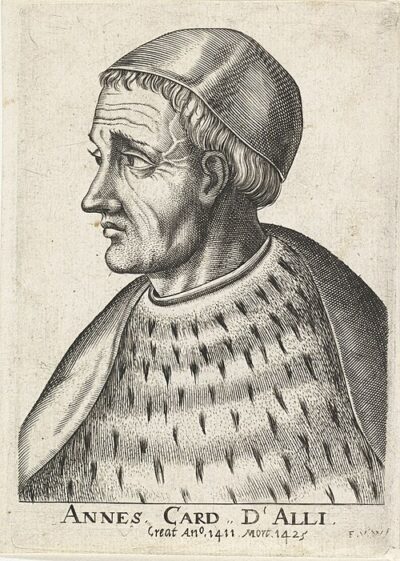 Pierre d'Ailly (1414–)French theologian and astrologer (1351–1420)
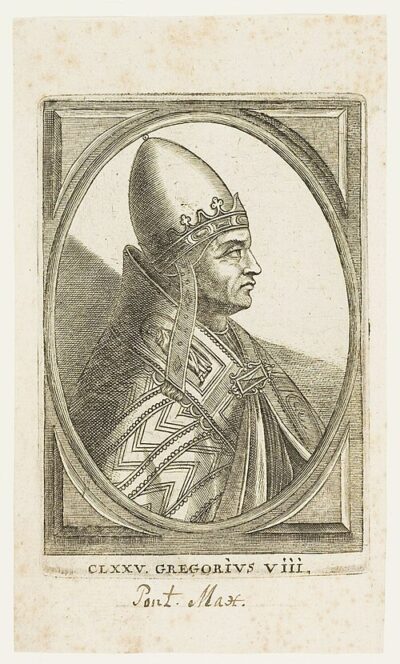 Gregory VIIIPope of the Roman Catholic Church in 1187
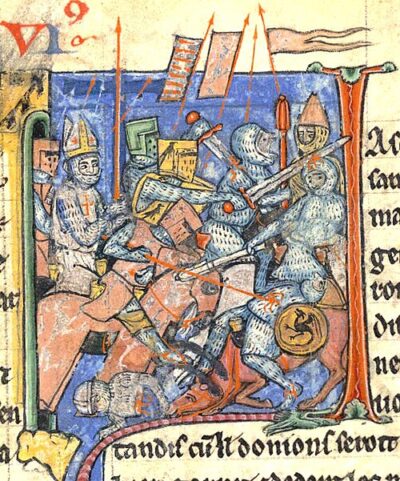 Adhemar of Le PuyFrench bishop
