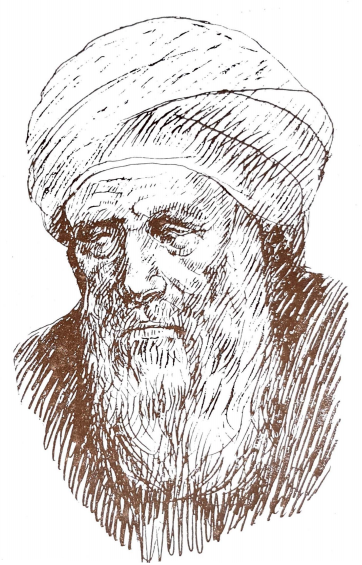
Paragraphs and Periods
Paragraphs and Periods is a literary work. It was written by al-Ma'arri.
- Written by
- al-Ma'arri
All 3 facts, and where they come from
Facts
3 facts · 0 confirmed by two sources · 0 cited · 3 from one source
Where this comes from
Papalocal keeps its own record. It started from these sources; what each one said is kept here as it was copied, so a change on their side never changes this page by itself. Tap one to read its version.
What Wikidata says · copied November 17, 2026 · revision 2473401269
- What it is
- literary work
- Written by
- al-Ma'arri
- Language
- Arabic
- Wikipedias with a page
- 3
Wikidata item Q100261022 (wikidata.org/wiki/Q100261022), public domain (CC0). Copied 2026-11-17.
What Wikipedia says · copied November 17, 2026 · revision 1364873409
The Paragraphs and Periods (Full name: Paragraphs and Periods on the Glorification of God and Admonitions; Arabic: الفصول و الغايات في تمجيد الله و المواعظ, romanized: al-Fuṣūl wa-l-ghāyāt fī tamjīd Allāh wa-l-mawā'iẓ) is a collection of homilies in Arabic rhymed prose, authored by al-Ma'arri (d. 1058). The book faced historical accusations of being a deliberate imitation of the Quran.
There is no indication that al-Ma'arri intended his work to be viewed as a genuine competitor to the Quran or to assert any claims of divine revelation. Many Muslim contemporaries of al-Maʿarrī believed that his book ridiculed the Quran and condemned it. However, in subsequent centuries, many supporters argued that it represented genuine piety and true glorification of God. Modern scholars hold differing opinions; while some view it as a parody, others see it as a critique of conventional literature.
From the Wikipedia article “Paragraphs and Periods” (en.wikipedia.org/wiki/Paragraphs_and_Periods), by its contributors, under CC BY-SA 4.0 (creativecommons.org/licenses/by-sa/4.0/). Copied 2026-11-17; not changed.
Confirmed Two sources agree. Cited One source, and it names where it got it. One source One source, without a reference of its own. Sources disagree The sources disagree. We show the best-supported value and keep theirs below.