
Paris Kanellakis Award
Paris Kanellakis Award is an annual award for accomplishments in theoretical computer science that have had a significant effect on the practice of computing. It is given by Association for Computing Machinery.
All 4 facts, and where they come from
Facts
4 facts · 0 confirmed by two sources · 0 cited · 4 from one source
Where this comes from
Papalocal keeps its own record. It started from these sources; what each one said is kept here as it was copied, so a change on their side never changes this page by itself. Tap one to read its version.
What Wikidata says · copied November 17, 2026 · revision 2569621915
- Described as
- annual award for accomplishments in theoretical computer science that have had a significant effect on the practice of computing
- Other names
- ACM Paris Kanellakis Theory and Practice Award
- What it is
- award; computer science award
- Given by
- Association for Computing Machinery
- Named after
- Paris Kanellakis
- Wikipedias with a page
- 7
Wikidata item Q1164390 (wikidata.org/wiki/Q1164390), public domain (CC0). Copied 2026-11-17.
What Wikipedia says · copied November 17, 2026 · revision 1359127499
The Paris Kanellakis Theory and Practice Award is granted yearly by the Association for Computing Machinery (ACM) to honor "specific theoretical accomplishments that have had a significant and demonstrable effect on the practice of computing". It was instituted in 1996, in memory of Paris C. Kanellakis, a computer scientist who died with his immediate family in an airplane crash in South America in 1995 (American Airlines Flight 965). The award is accompanied by a prize of $10,000 and is endowed by contributions from Kanellakis's parents, with additional financial support provided by four ACM Special Interest Groups (SIGACT, SIGDA, SIGMOD, and SIGPLAN), the ACM SIG Projects Fund, and individual contributions.
From the Wikipedia article “Paris Kanellakis Award” (en.wikipedia.org/wiki/Paris_Kanellakis_Award), by its contributors, under CC BY-SA 4.0 (creativecommons.org/licenses/by-sa/4.0/). Copied 2026-11-17; not changed.
Confirmed Two sources agree. Cited One source, and it names where it got it. One source One source, without a reference of its own. Sources disagree The sources disagree. We show the best-supported value and keep theirs below.
People connected 10
Won it
 Michael O. Rabin (2003)Israeli computer scientist
 Robert Tarjan (1999)American computer scientist
 E. Allen Emerson (1998)American computer scientist (1954–2024)
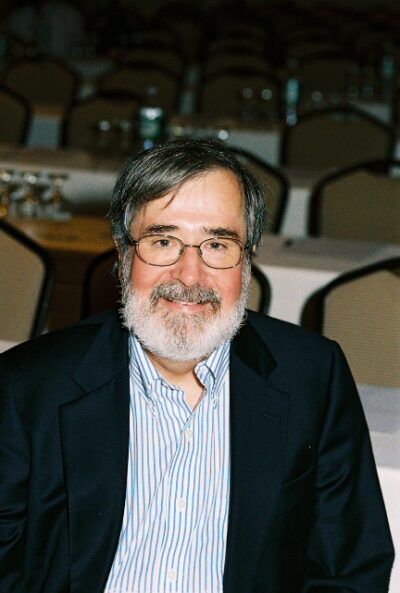 Edmund M. Clarke (1998)American computer scientist (1945–2020)
 Adi Shamir (1996)Israeli cryptographer (born 1952)
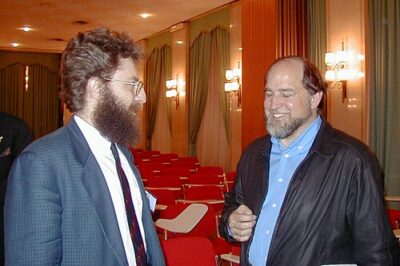 Ron Rivest (1996)American cryptographer
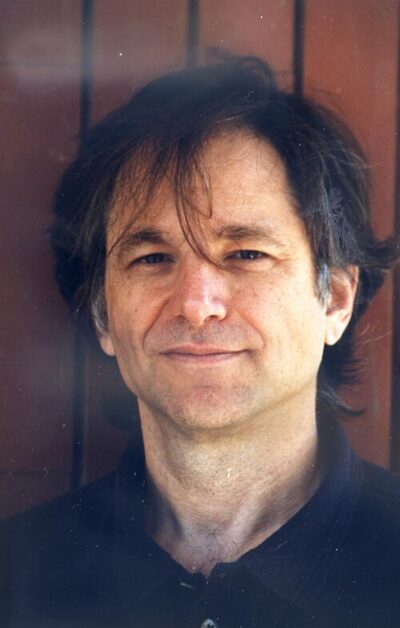 Leonard Adleman (1996)American computer scientist
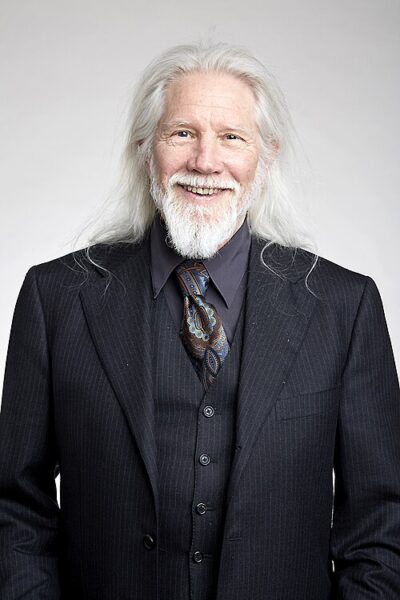 Whitfield Diffie (1996)American cryptographer (born 1944)
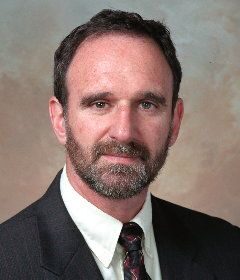 Martin Edward Hellman (1996)American cryptologist (born 1945)
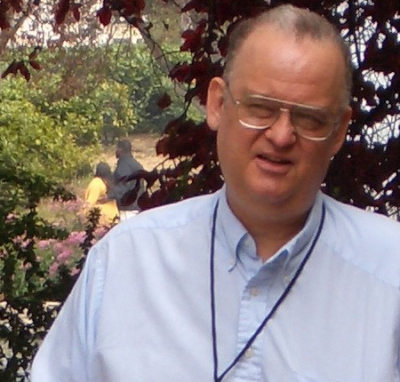 Ralph Merkle (1996)American cryptographer and cryonicist (born 1952)
