patriarch of Venice
Patriarch of Venice is an ordinary of the archdiocese, patriarchate of the Roman Catholic Church of Venice in Italy. It was created in 1451. It is an office of Patriarchate of Venice.
- Office of
- Patriarchate of Venice
- Created
- October 8, 1451
All 3 facts, and where they come from
Facts
3 facts · 0 confirmed by two sources · 0 cited · 3 from one source
Where this comes from
Papalocal keeps its own record. It started from these sources; what each one said is kept here as it was copied, so a change on their side never changes this page by itself. Tap one to read its version.
What Wikidata says · copied November 16, 2026 · revision 2541662259
- Described as
- ordinary of the archdiocese, patriarchate of the Roman Catholic Church of Venice in Italy
- Other names
- archbishop of Venice, archbishop of Venezia, patriarch of Venezia
- What it is
- Roman Catholic episcopal title
- Created
- October 8, 1451
- Office of
- Patriarchate of Venice
- Wikipedias with a page
- 7
Wikidata item Q59781902 (wikidata.org/wiki/Q59781902), public domain (CC0). Copied 2026-11-16.
What Wikipedia says · copied November 16, 2026 · revision 1370212345
The Patriarch of Venice (Latin: Patriarcha Venetiarum; Italian: Patriarca di Venezia) is the ordinary of the Patriarchate of Venice. The bishop is one of only four patriarchs in the Latin Rite of the Catholic Church. The other three are the Patriarch of Lisbon, the Patriarch of the East Indies and the Latin Patriarch of Jerusalem. Presently, the only advantage of this purely formal title is the bishop's place of honor in papal processions. In the case of Venice, an additional privilege allows the patriarch, even if he is not a cardinal, the use of the colour red in non-liturgical vestments. In that case, the red biretta is topped by a tuft, as is the custom with other bishops who are not cardinals.
The diocese of Castello (covering Venice) was created in 774 as suffragan of the Patriarchate of Grado. It was only in 1451 that, in consideration of the political influence of the city, its bishops were accorded the title of patriarch by the pope.
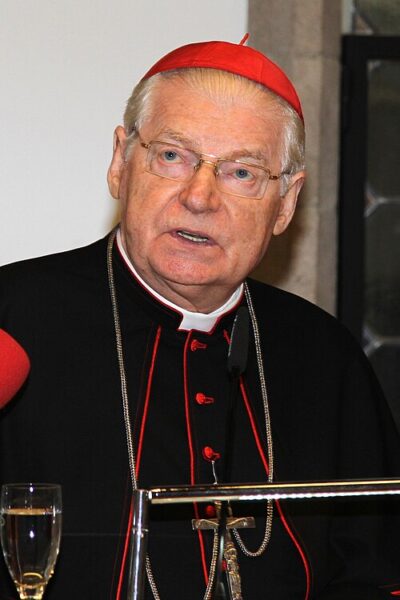
By a relatively recent tradition, the Patriarch of Venice is created a cardinal at the consistory following his appointment, though nothing requires the pope to do so. The current patriarch Francesco Moraglia has not been made a cardinal.
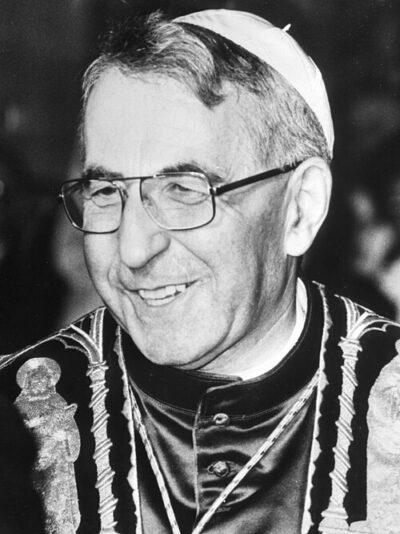
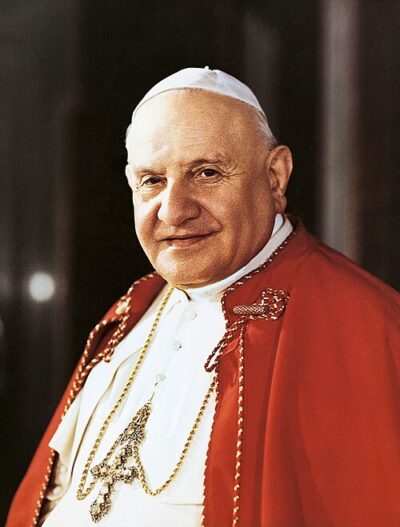
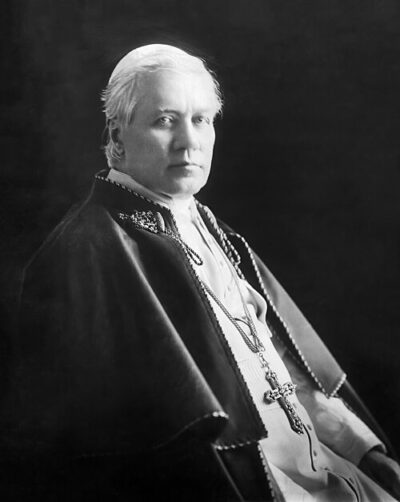
In the last centuries of the Republic of Venice (to 1797), exceptionally among Catholic bishops, the patriarch was elected by the Venetian Senate, who always chose a member of one of the hereditary patrician families of the city, and usually a layman who was only ordained to take up the patriarchate. The papacy obliged them to pass an examination in theology, though many evaded this. Usually the new patriarch was a Venetian diplomat or administrator, as with Lorenzo Priuli in 1591 or Francesco Vendramin in 1608, though some were career clerics, who had usually been previously in positions in Rome, such as Federico Cornaro in 1631. The patriarchs normally remained in Venice, and in this period none were elected pope. Since the end of the republic, patriarchs have rarely been of Venetian origin, and three of them became pope in the 20th century alone: Pius X (1903), John XXIII (1958) and John Paul I (1978).
From the Wikipedia article “Patriarch of Venice” (en.wikipedia.org/wiki/Patriarch_of_Venice), by its contributors, under CC BY-SA 4.0 (creativecommons.org/licenses/by-sa/4.0/). Copied 2026-11-16; not changed.
Confirmed Two sources agree. Cited One source, and it names where it got it. One source One source, without a reference of its own. Sources disagree The sources disagree. We show the best-supported value and keep theirs below.