
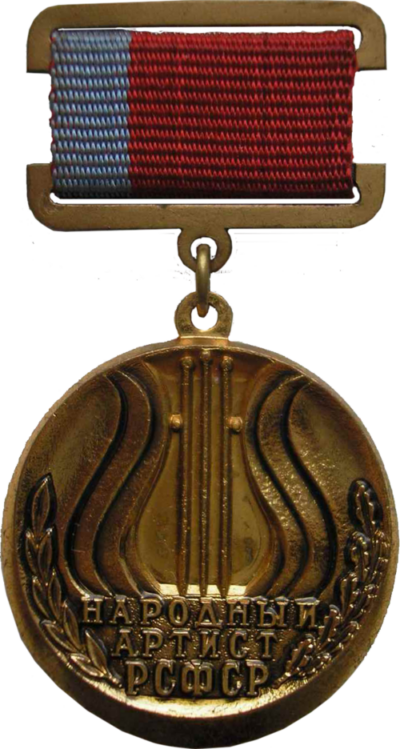
People's Artist of the RSFSR
People's Artist of the RSFSR is a Soviet title of honor. It was created in 1931.
- Country
- Soviet Union (1931–1991)
- Created
- August 10, 1931
All 4 facts, and where they come from
Facts
4 facts · 0 confirmed by two sources · 0 cited · 4 from one source
Where this comes from
Papalocal keeps its own record. It started from these sources; what each one said is kept here as it was copied, so a change on their side never changes this page by itself. Tap one to read its version.
What Wikidata says · copied November 16, 2026 · revision 2516791829
- Described as
- Soviet title of honor
- What it is
- official honorary title of RSFSR
- Created
- August 10, 1931
- Located in
- Russian Soviet Federative Socialist Republic
- Country
- Soviet Union (1931–1991)
- Wikipedias with a page
- 22
Wikidata item Q47024 (wikidata.org/wiki/Q47024), public domain (CC0). Copied 2026-11-16.
What Wikipedia says · copied November 16, 2026 · revision 1379874769
People's Artist of the RSFSR (Russian: Народный артист РСФСР, Narodnyj artist RSFSR) was an honorary title granted to Soviet Union artists, including theatre and film directors, actors, choreographers, music performers, and orchestra conductors, who had outstanding achievements in the arts, and who lived in the Russian Soviet Federative Socialist Republic (RSFSR). This title was one rank below Honored Artist of the RSFSR and one above People's Artist of the USSR.
The title was introduced on 10 August 1931. In 1992, after the Russian SFSR was renamed as the Russian Federation, it was replaced by People's Artist of Russia.
From the Wikipedia article “People's Artist of the RSFSR” (en.wikipedia.org/wiki/People's_Artist_of_the_RSFSR), by its contributors, under CC BY-SA 4.0 (creativecommons.org/licenses/by-sa/4.0/). Copied 2026-11-16; not changed.
Confirmed Two sources agree. Cited One source, and it names where it got it. One source One source, without a reference of its own. Sources disagree The sources disagree. We show the best-supported value and keep theirs below.
Picture: Дмитрий Бартенев (Dmitriy Bartenev), edited by AMY (talk) 10:06, 4 August 2012 (UTC), via Wikimedia Commons · Public domain
People connected 189
Won it 189
- VVitaly Solomin (1992)Soviet and Russian actor (1941–2002)
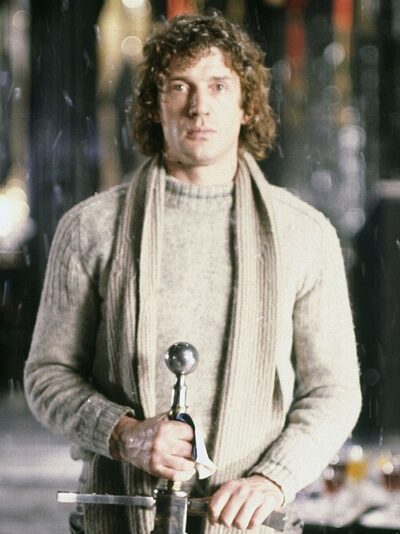 Aleksandr Abdulov (1991)Soviet and Russian actor (1953–2008)
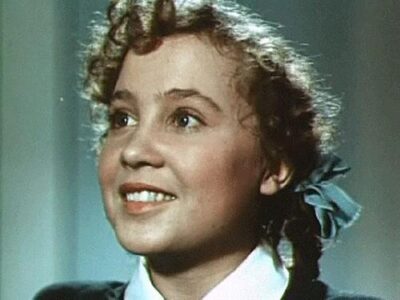 Nadezhda Rumyantseva (1991)Soviet actress
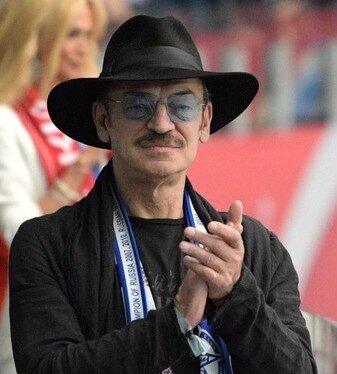 Mikhail Boyarsky (1990)Soviet and Russian actor and singer
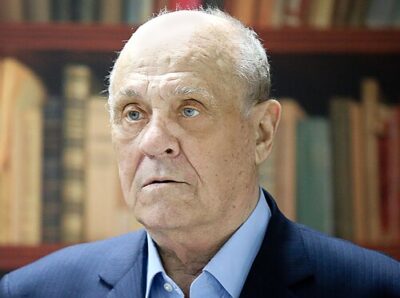 Vladimir Menshov (1989)Soviet and Russian film director and actor (1939–2021)
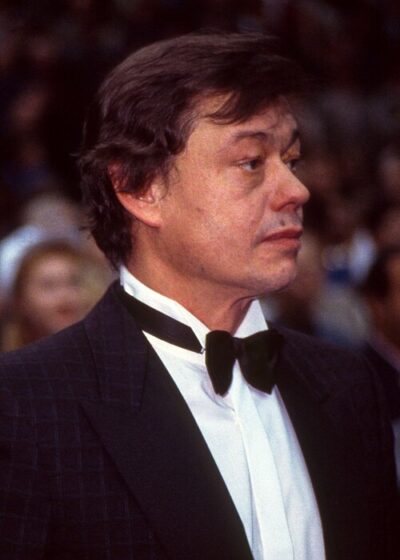 Nikolai Karachentsov (1989)Soviet-Russian stage and film actor, singer and musician (1944—2018)
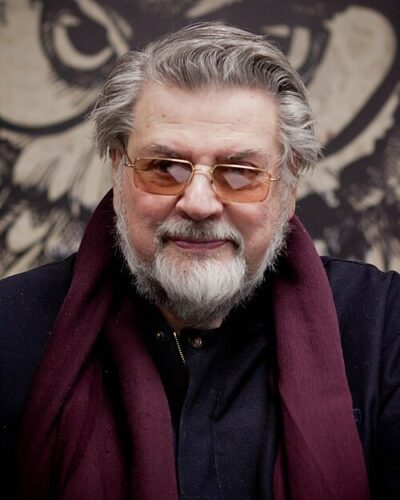 Aleksandr Shirvindt (1989)Soviet and Russian actor, theatrical director, drama teacher, television presenter, screenwriter (1934—2024)
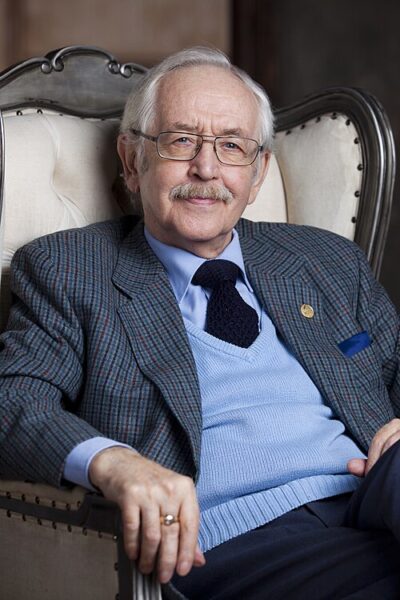 Vasily Livanov (1988)Soviet and Russian actor and film director
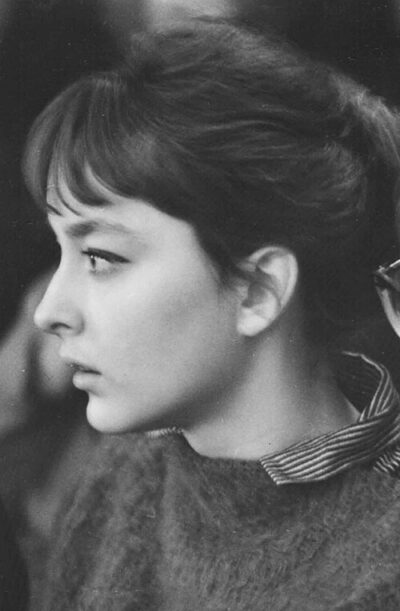 Anastasiya Vertinskaya (1988)Soviet and Russian actress
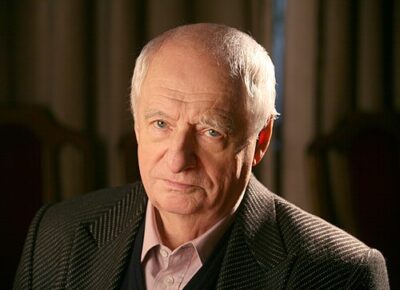 Mark Zakharov (1988)Russian theatre director (1933-2019)
- ZZhanna Prokhorenko (1988)Soviet and Russian actress (1940-2011)
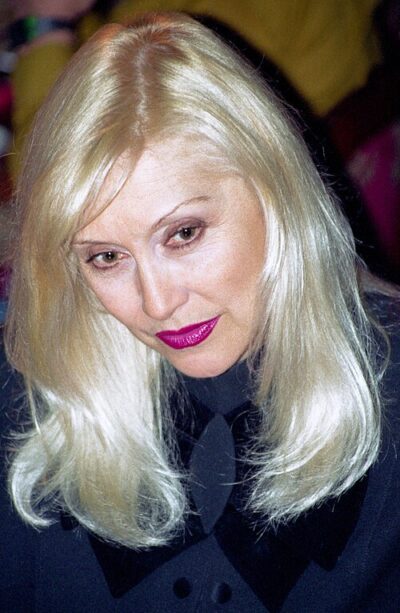 Irina Miroshnichenko (1988)Soviet and Russian actress (1942-2023)
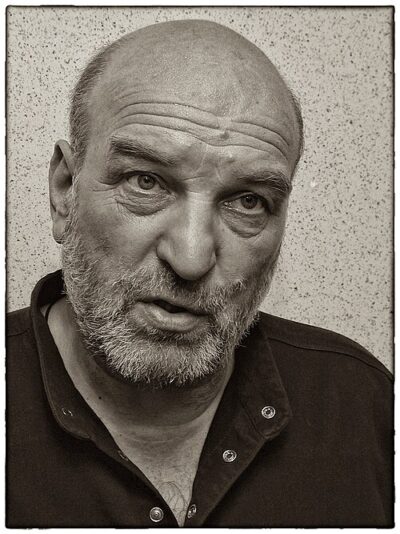 Aleksei Petrenko (1988)Ukrainian and Russian actor (1938–2017)
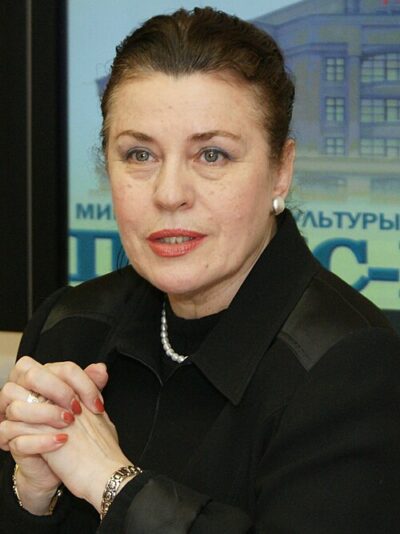 Valentina Tolkunova (1987)Russian singer (1946-2010)
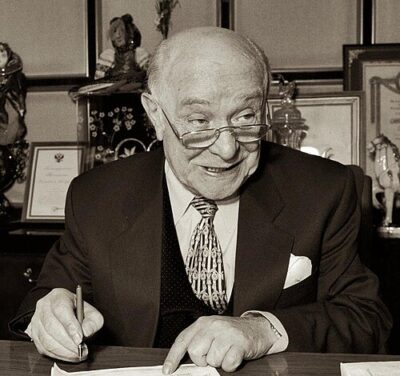 Rolan Bykov (1987)Soviet and Russian actor, theater and film director, screenwriter (1929–1998)
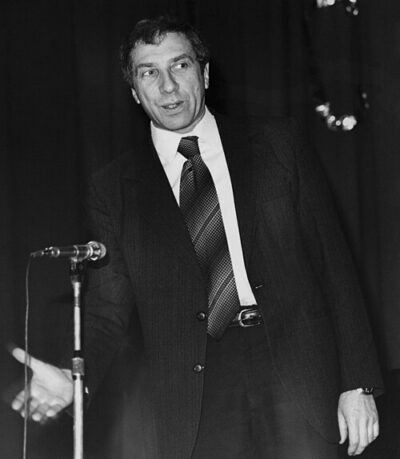 Sergei Yursky (1987)Soviet and Russian stage and film actor, theatre director and screenwriter (1935-2019)
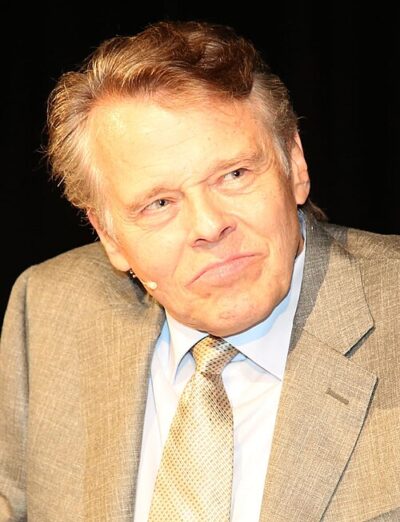 Mariss Jansons (1986)Latvian conductor (1943–2019)
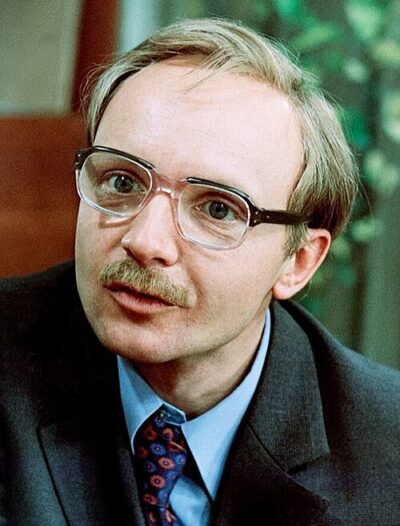 Andrey Myagkov (1986)Soviet and Russian actor (1938-2021)
- MMikael Tariverdiev (1986)Soviet composer of Armenian descent (1931–1996)
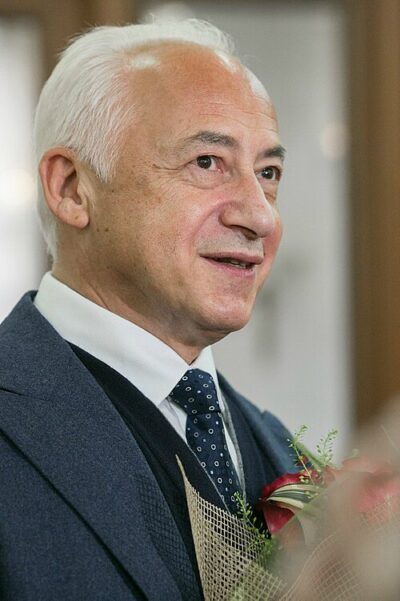 Vladimir Spivakov (1986)Soviet-Russian conductor and violinist (born 1944)
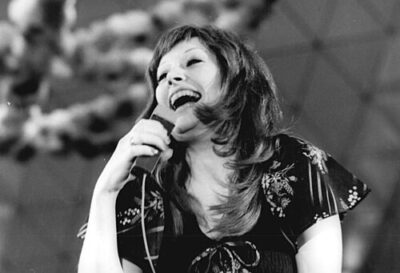 Alla Pugacheva (1985)Soviet-Russian singer, composer, and actress
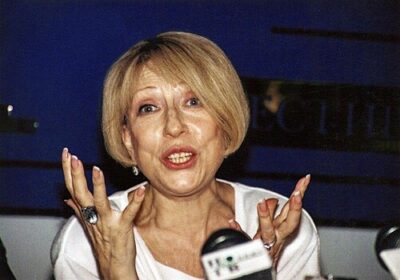 Inna Churikova (1985)Soviet and Russian actress (1943–2023)
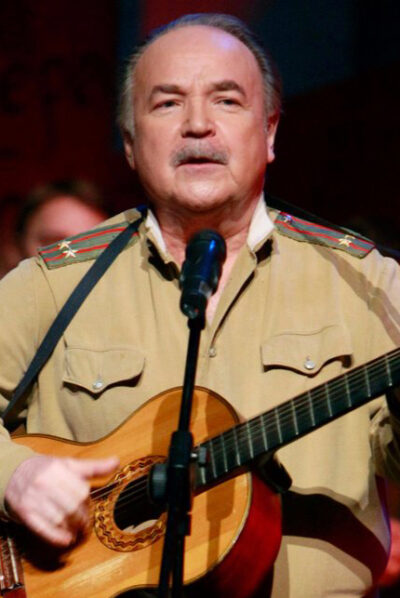 Nikolai Gubenko (1985)Soviet and Russian actor, film director, screenwriter, politician (1941–2020)
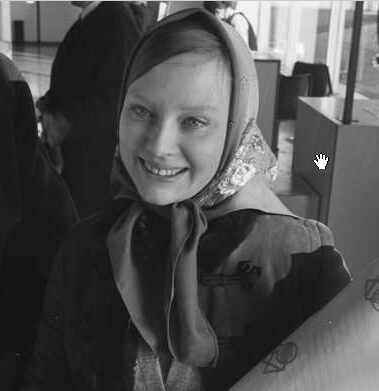 Ludmila Savelyeva (1985)Soviet and Russian actress
and 165 more
