Piano Concerto
Piano Concerto is a concerto by Maurice Ravel. It came out in 1931.
- Came out
- 1931 (1929–1931)
All 3 facts, and where they come from
Facts
3 facts · 0 confirmed by two sources · 0 cited · 3 from one source
Where this comes from
Papalocal keeps its own record. It started from these sources; what each one said is kept here as it was copied, so a change on their side never changes this page by itself. Tap one to read its version.
What Wikidata says · copied November 17, 2026 · revision 2569579066
- Described as
- concerto by Maurice Ravel
- Other names
- Piano Concerto in G major
- What it is
- musical work/composition
- Music by
- Maurice Ravel
- Came out
- 1931 (1929–1931)
- Wikipedias with a page
- 12
Wikidata item Q954815 (wikidata.org/wiki/Q954815), public domain (CC0). Copied 2026-11-17.
What Wikipedia says · copied November 17, 2026 · revision 1383623366
Maurice Ravel's Piano Concerto in G major was composed between 1929 and 1931. The piano concerto is in three movements, with a total playing time of a little over 20 minutes. Ravel said that in this piece he was not aiming to be profound but to entertain, in the manner of Mozart and Saint-Saëns. Among its other influences are jazz and Basque folk music.
The first performance was given in Paris in 1932 by the pianist Marguerite Long, with the Orchestre Lamoureux conducted by the composer. Within months the work was heard in the major cities of Europe and in the US. It has been recorded many times by pianists, orchestras and conductors from all over the world.
From the Wikipedia article “Piano Concerto in G major (Ravel)” (en.wikipedia.org/wiki/Piano_Concerto_in_G_major_(Ravel)), by its contributors, under CC BY-SA 4.0 (creativecommons.org/licenses/by-sa/4.0/). Copied 2026-11-17; not changed.
Confirmed Two sources agree. Cited One source, and it names where it got it. One source One source, without a reference of its own. Sources disagree The sources disagree. We show the best-supported value and keep theirs below.
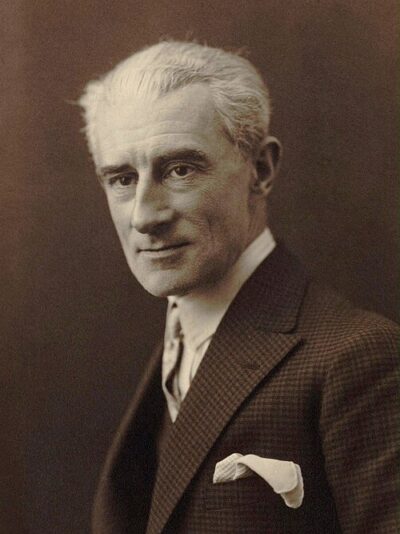
Picture: Unknown author, via Wikimedia Commons · Public domain