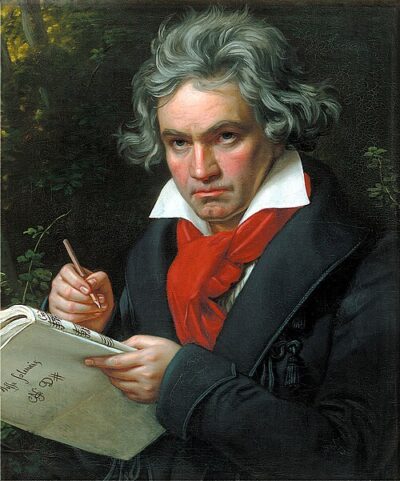
Piano Sonata No. 14
Piano Sonata No. 14 is a piano sonata written by Beethoven in 1801. It came out in 1802.
- Released
- 1802
- Came out
- 1801
All 4 facts, and where they come from
Facts
4 facts · 0 confirmed by two sources · 2 cited · 2 from one source
Where this comes from
Papalocal keeps its own record. It started from these sources; what each one said is kept here as it was copied, so a change on their side never changes this page by itself. Tap one to read its version.
What Wikidata says · copied November 17, 2026 · revision 2569139648
- Described as
- piano sonata written by Beethoven in 1801
- Other names
- Piano Sonata No. 14 in C-sharp Minor, Op. 27, No. 2, Moonlight Sonata
- What it is
- musical work/composition
- Music by
- Ludwig van Beethoven
- Released
- 1802 · 1 reference
- Came out
- 1801 · 1 reference
- Wikipedias with a page
- 42
Wikidata item Q12008 (wikidata.org/wiki/Q12008), public domain (CC0). Copied 2026-11-17.
What Wikipedia says · copied November 17, 2026 · revision 1383176317
The Piano Sonata No. 14 in C♯ minor, marked Quasi una fantasia, Op. 27, No. 2, is a piano sonata by Ludwig van Beethoven, completed in 1801 and dedicated in 1802 to his pupil Countess Julie "Giulietta" Guicciardi. Although known throughout the world as the Moonlight Sonata (German: Mondscheinsonate), it was not Beethoven who named it so. The title "Moonlight Sonata'" arose via imagery later proposed by the poet Ludwig Rellstab, which resonated with listeners.
The piece is one of Beethoven's most famous compositions for the piano, and was quite popular even in his own day. Beethoven wrote the Moonlight Sonata around the age of 30, after he had finished with some commissioned work; there is no evidence that he was commissioned to write this sonata.
From the Wikipedia article “Piano Sonata No. 14 (Beethoven)” (en.wikipedia.org/wiki/Piano_Sonata_No._14_(Beethoven)), by its contributors, under CC BY-SA 4.0 (creativecommons.org/licenses/by-sa/4.0/). Copied 2026-11-17; not changed.
Confirmed Two sources agree. Cited One source, and it names where it got it. One source One source, without a reference of its own. Sources disagree The sources disagree. We show the best-supported value and keep theirs below.
Picture: Wikimedia Commons: Beethoven Piano Sonata 14 - title page 1802.jpg · See Commons file page