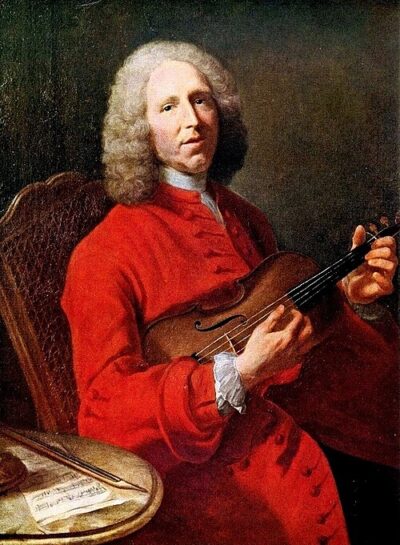
Platée
Platée is a comic opera by Jean-Philippe Rameau. It is based on Description of Greece.
- Released
- 18th century
- Country of origin
- France
All 7 facts, and where they come from
Facts
7 facts · 0 confirmed by two sources · 0 cited · 7 from one source
Where this comes from
Papalocal keeps its own record. It started from these sources; what each one said is kept here as it was copied, so a change on their side never changes this page by itself. Tap one to read its version.
What Wikidata says · copied November 17, 2026 · revision 2520098455
- Described as
- comic opera by Jean-Philippe Rameau
- Other names
- Platee
- What it is
- dramatico-musical work; choreographic work
- Music by
- Jean-Philippe Rameau
- Released
- 18th century
- Language
- French
- Country of origin
- France
- Based on
- Description of Greece
- Wikipedias with a page
- 17
Wikidata item Q1376222 (wikidata.org/wiki/Q1376222), public domain (CC0). Copied 2026-11-17.
What Wikipedia says · copied November 17, 2026 · revision 1379177765
Platée is an opera in a prologue and three acts by Jean-Philippe Rameau with a libretto by Adrien-Joseph Le Valois d'Orville. Rameau bought the rights to the libretto Platée ou Junon jalouse (Plataea, or Juno Jealous) by Jacques Autreau (1657–1745) and had d'Orville modify it. The ultimate source of the story is a myth related by the Greek writer Pausanias in his Guide to Greece.
Rameau's first attempt at comic opera, the plot concerns an ugly water nymph who believes that Jupiter, the king of the gods, is in love with her. The work was initially called a ballet bouffon, though it was later styled a comédie lyrique, putting it in the same category as Rameau's Les Paladins. It was written for the celebrations of the wedding of Louis, Dauphin of France, son of King Louis XV, to the Infanta María Teresa Rafaela of Spain, who, according to contemporary sources, like the title character was no beauty. Instead of getting the composer into trouble, the entertainment at Versailles seems to have been well received, and Rameau was appointed a few months later to the position of Composer of the King's Chamber Music with a sizable annual pension.
The opera was first performed on 31 March 1745 at the Grande Écurie, Versailles.
From the Wikipedia article “Platée” (en.wikipedia.org/wiki/Platée), by its contributors, under CC BY-SA 4.0 (creativecommons.org/licenses/by-sa/4.0/). Copied 2026-11-17; not changed.
Confirmed Two sources agree. Cited One source, and it names where it got it. One source One source, without a reference of its own. Sources disagree The sources disagree. We show the best-supported value and keep theirs below.
Picture: Wikimedia Commons: Jélyotte by Coypel.jpg · See Commons file page