
Prelature of the Holy Cross and Opus Dei
Prelature of the Holy Cross and Opus Dei is a Personal Prelature of the Catholic Church. It was founded in 1928 by Josemaría Escrivá. Its headquarters are in Villa Tevere.
- Founded
- October 2, 1928
- Founded by
- Josemaría Escrivá
- Headquarters
- Villa Tevere
- Country
- Italy
All 8 facts, and where they come from
Facts
8 facts · 0 confirmed by two sources · 3 cited · 5 from one source
Where this comes from
Papalocal keeps its own record. It started from these sources; what each one said is kept here as it was copied, so a change on their side never changes this page by itself. Tap one to read its version.
What Wikidata says · copied November 17, 2026 · revision 2552537640
- Described as
- Personal Prelature of the Catholic Church
- Other names
- Praelatura Sanctae Crucis et Operis Dei, Opus Dei, Personal Prelature of Opus Dei
- What it is
- prelature · 1 reference; personal prelature · 1 reference
- Founded
- October 2, 1928
- Founded by
- Josemaría Escrivá · 1 reference
- Headquarters
- Villa Tevere
- Country
- Italy
- Chair
- Fernando Ocáriz · 1 reference
- Official website
- https://opusdei.org/
- Wikipedias with a page
- 63
Wikidata item Q160918 (wikidata.org/wiki/Q160918), public domain (CC0). Copied 2026-11-17.
What Wikipedia says · copied November 17, 2026 · revision 1385936179
Opus Dei (Latin for 'Work of God') is a personal prelature of the Catholic Church founded in Spain on 2 October 1928 by Josemaría Escrivá. The prelature states that it helps lay and clerical members pursue holiness through everyday occupations and social responsibilities. The Holy See granted final approval in 1950 under Pope Pius XII. In 1982 Pope John Paul II affirmed its status as a personal prelature through the apostolic constitution Ut sit. While the organization remains controversial, Catholic Church leaders have voiced support.
Laypeople constitute most members of Opus Dei, and the rest are secular priests governed by a prelate elected by specific members and appointed by the Pope. Because Opus Dei is Latin for 'Work of God', members and supporters often refer to the prelature as "the Work". Beyond personal charity and social services, the prelature organizes training in Catholic spirituality applied to daily life. Opus Dei members are located in more than 90 countries. About 70% of members live in their own homes and maintain secular careers while taking part in prelature activities, while the remaining are celibate, of whom the majority live in Opus Dei centers.
From the Wikipedia article “Opus Dei” (en.wikipedia.org/wiki/Opus_Dei), by its contributors, under CC BY-SA 4.0 (creativecommons.org/licenses/by-sa/4.0/). Copied 2026-11-17; not changed.
Confirmed Two sources agree. Cited One source, and it names where it got it. One source One source, without a reference of its own. Sources disagree The sources disagree. We show the best-supported value and keep theirs below.
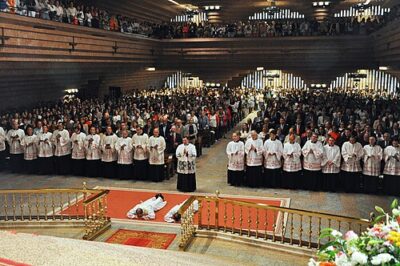
Picture: Santuario Torreciudad, via Wikimedia Commons · CC BY 2.0
People connected 16
Members
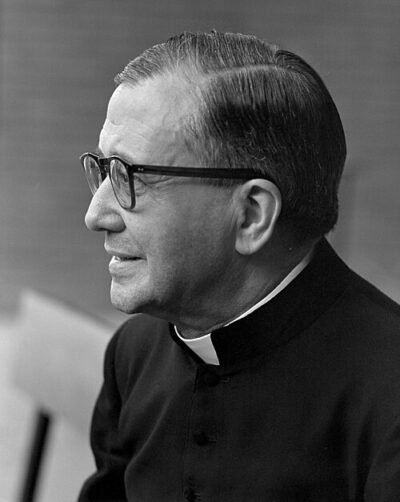 Josemaría EscriváSpanish priest, writer and Catholic saint
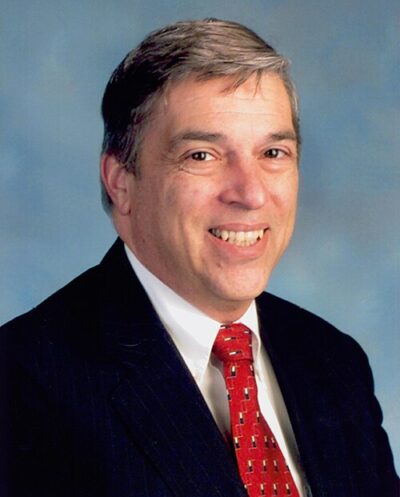 Robert HanssenFBI agent who spied for Soviet and Russian intelligence services (1944–2023)
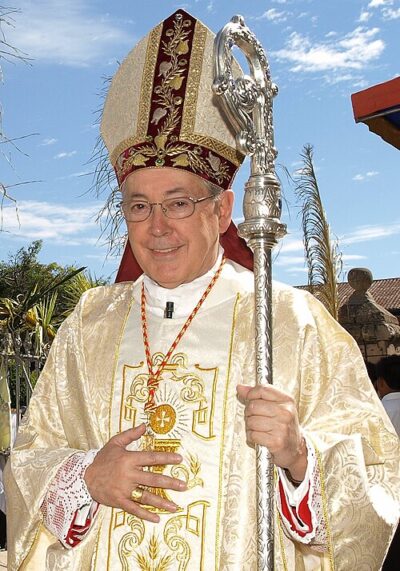 Juan Luis Cipriani ThorneCatholic cardinal
- IIgnacio María GonzálezUruguayan footballer
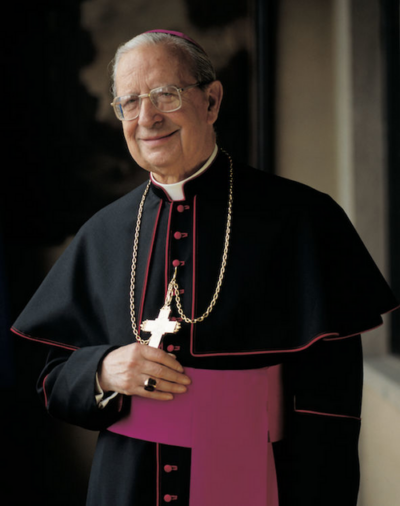 Álvaro del PortilloCatholic bishop, Beatus, 2nd Prelate of the Opus Dei
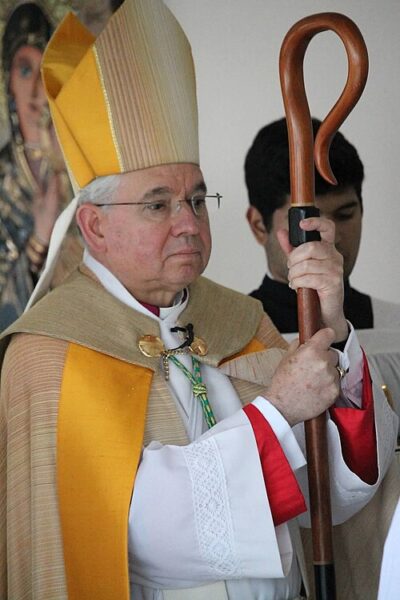 José Horacio GómezAmerican Roman Catholic archbishop
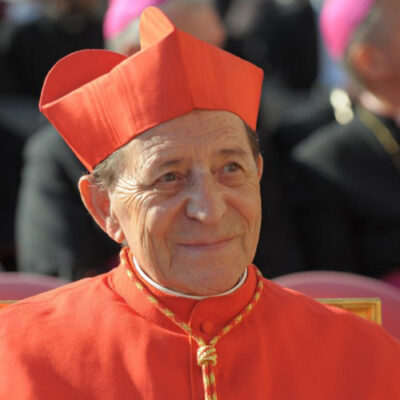 Julián Herranz CasadoCatholic cardinal
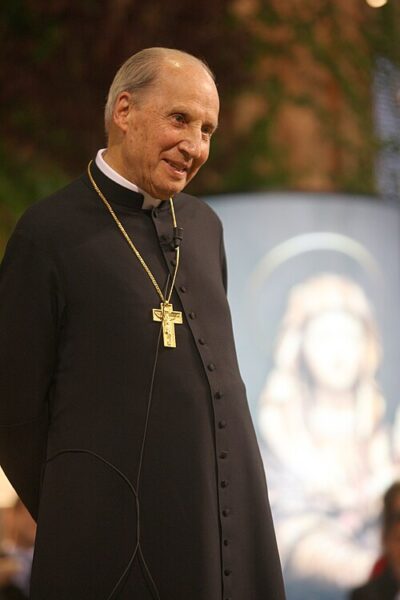 Javier Echevarría RodríguezSpanish catholic bishop (1932–2016)
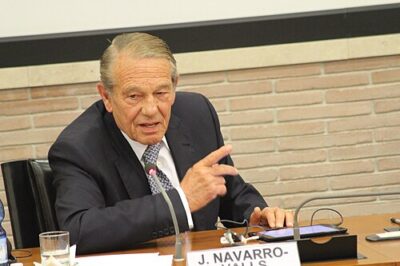 Joaquín Navarro-VallsSpanish journalist (1936–2017)
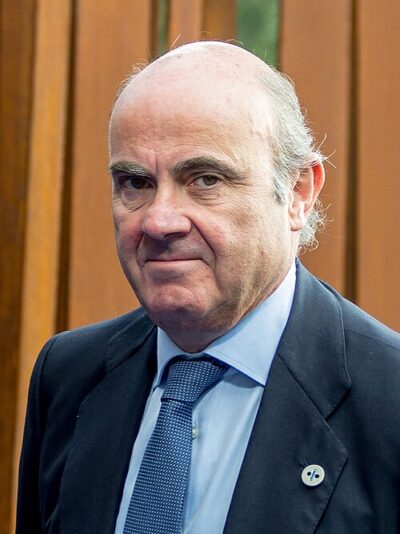 Luis de GuindosSpanish politician
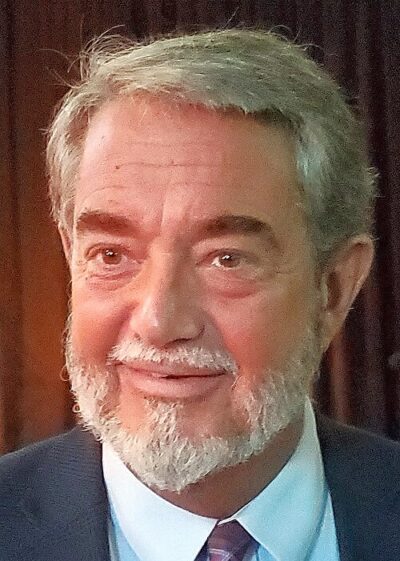 Scott HahnAmerican theologian
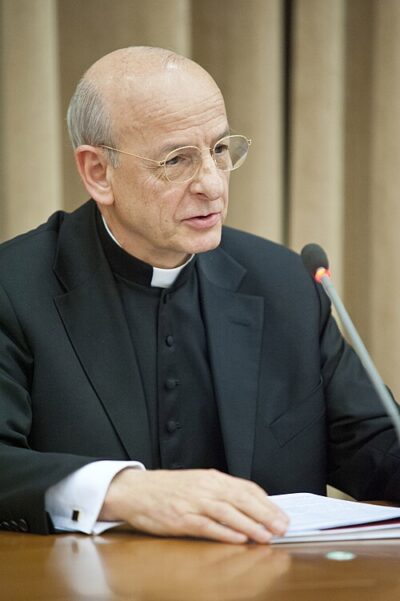 Fernando OcárizSpanish theologian and prelate of Opus Dei (born 1944)
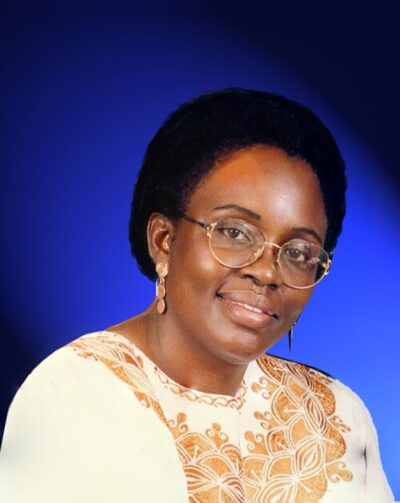 Margaret OgolaKenyan author (1958-2011)
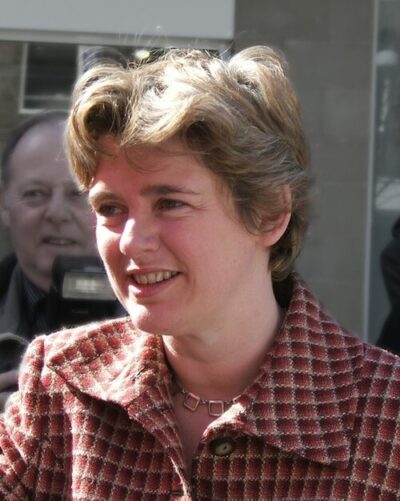 Ruth KellyBritish politician and Cabinet minister (born 1968)
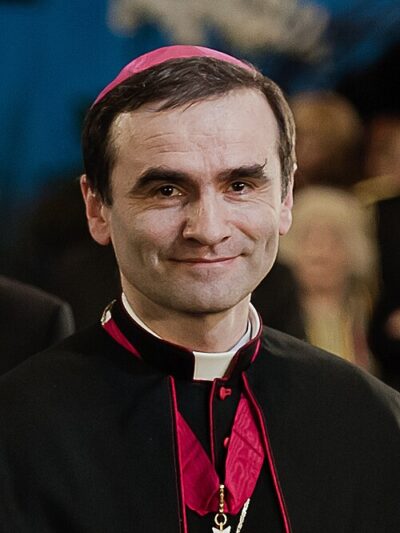 Philippe JourdanFrench Roman Catholic bishop (born 1960)
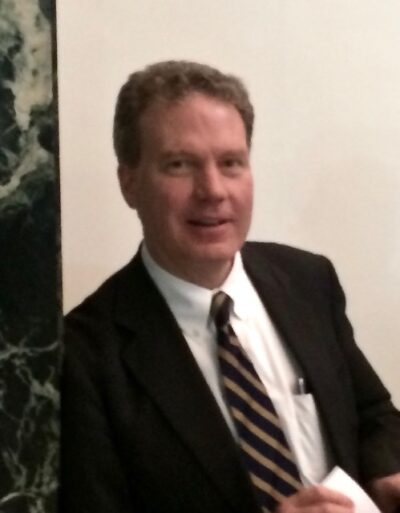 Greg BurkeAmerican journalist
