
President of Austria
President of Austria is a head of state of Austria. It was created in 1920.
All 5 facts, and where they come from
Facts
5 facts · 0 confirmed by two sources · 0 cited · 5 from one source
Where this comes from
Papalocal keeps its own record. It started from these sources; what each one said is kept here as it was copied, so a change on their side never changes this page by itself. Tap one to read its version.
What Wikidata says · copied November 16, 2026 · revision 2558439501
- Described as
- head of state of Austria
- Other names
- Bundespräsident of Austria, President of the Republic of Austria
- What it is
- public office
- Created
- November 10, 1920 · 1 reference
- Country
- Austria
- Office of
- Austria
- Official website
- http://www.bundespraesident.at/
- Wikipedias with a page
- 49
Wikidata item Q475658 (wikidata.org/wiki/Q475658), public domain (CC0). Copied 2026-11-16.
What Wikipedia says · copied November 16, 2026 · revision 1373758805
The president of Austria (German: Bundespräsident der Republik Österreich, lit. 'Federal President of the Republic of Austria') is the head of state of the Republic of Austria.
The office of the president was established in 1920 by the Constituent National Assembly of the first republic following the collapse of the Austro-Hungarian Empire and the Habsburg monarchy in 1918. As head of state, the president indirectly succeeded the emperor of Austria. The power and role of the presidency has varied drastically over time. During the early first republic, the president was an utterly powerless figurehead. After a 1929 amendment, the president's powers were greatly expanded on paper, but they were swiftly taken away again following the abrogation of the Constitution and the erection of a corporatist dictatorship in 1934. When Nazi Germany annexed Austria in 1938, the presidency was completely abolished. Following the liberation of Austria by the allied forces in 1945, the republican Constitution was restored and so was the office of the president. Though the president nominally regained the broad power vested in him under the 1929 amendments, the president voluntarily chose to serve as a ceremonial and symbolic figurehead, allowing the chancellor to remain de facto chief executive instead. Since the institution of the popular vote in 1951, only nominees of the Social Democratic Party and the People's Party were elected to the presidency, until Green-endorsed incumbent Alexander Van der Bellen won it in 2017.
The most notable presidential power is the appointment of the chancellor, the vice chancellor and the ministers, which collectively form the Cabinet of Austria. The president also signs bills into law, appoints the justices of the Supreme Courts, signs treaties and exercises various ceremonial duties. Additionally, the president is empowered to remove the chancellor and the Cabinet, dissolve the National Council and the State Legislatures, rule by decree and oversee the Armed Forces but these powers have never or rarely been used. The president ranks first in Austria's order of precedence, ahead of the Presidium of the National Council and the chancellor.
The workplace and official residence of the president is located in the Leopoldine Wing of the Hofburg Imperial Palace in Vienna.
From the Wikipedia article “President of Austria” (en.wikipedia.org/wiki/President_of_Austria), by its contributors, under CC BY-SA 4.0 (creativecommons.org/licenses/by-sa/4.0/). Copied 2026-11-16; not changed.
Confirmed Two sources agree. Cited One source, and it names where it got it. One source One source, without a reference of its own. Sources disagree The sources disagree. We show the best-supported value and keep theirs below.
People connected 12
Held this office
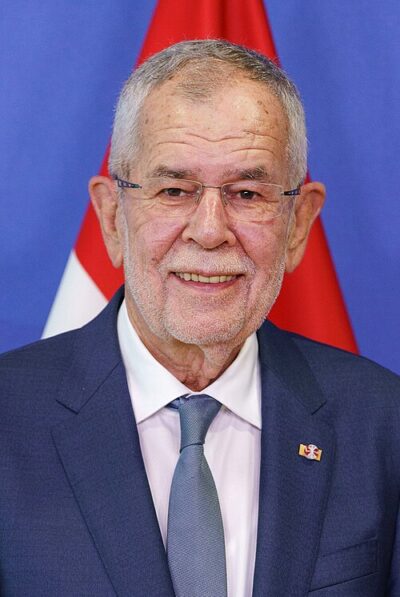 Alexander Van der Bellen (2017–)President of Austria since 2017 (born 1944)
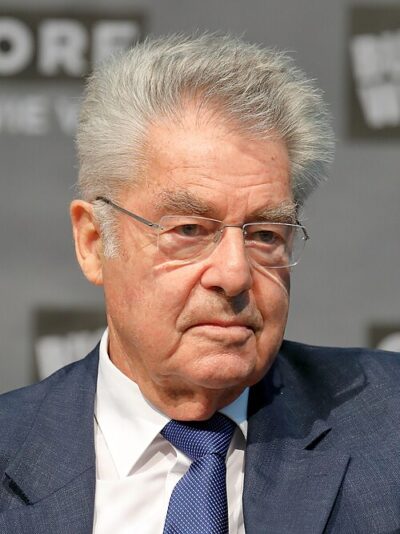 Heinz Fischer (2004–2016)Austrian politician (SPÖ), 8th president of Austria (born 1938)
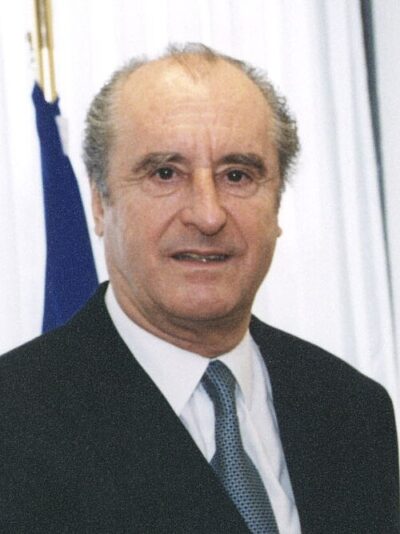 Thomas Klestil (1992–2004)Austrian diplomat and politician (1932–2004)
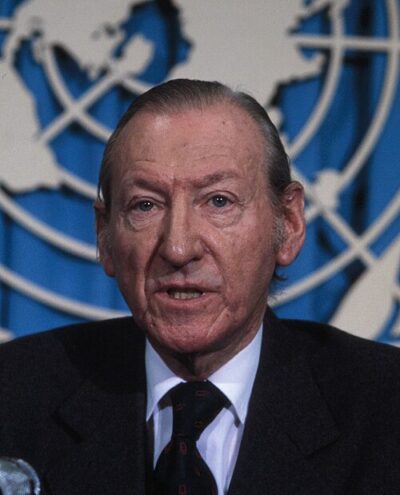 Kurt Waldheim (1986–1992)Austrian politician and diplomat (1918–2007)
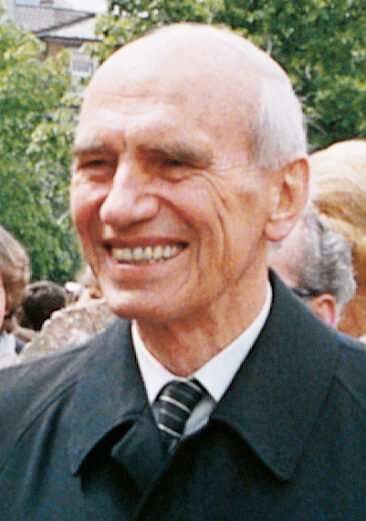 Rudolf Kirchschläger (1974–1986)Austrian diplomat, politician, judge, and eighth President of Austria (1915–2000)
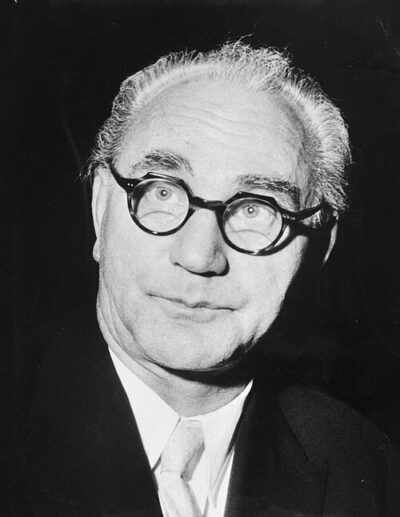 Franz Jonas (1965–1974)seventh President of Austria (1899–1974)
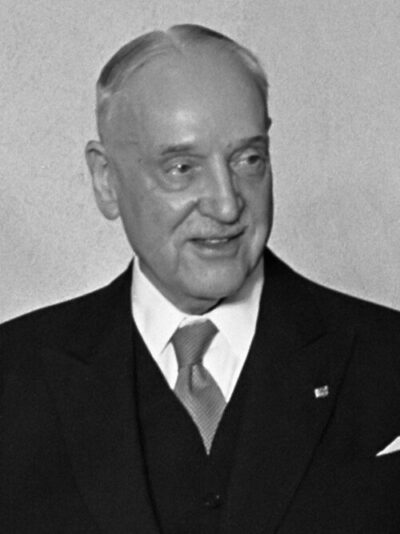 Adolf Schärf (1957–1965)Austrian politician, President of Austria 1957–1965 (1890–1965)
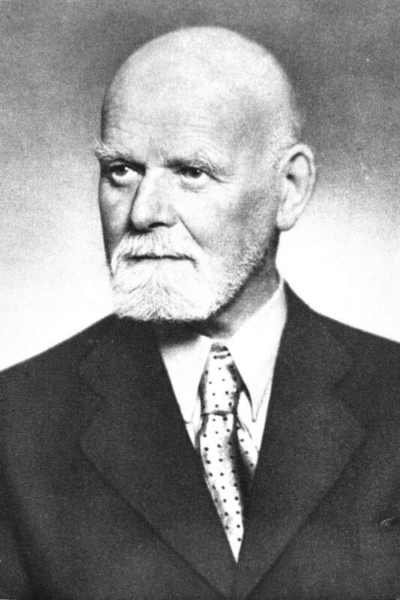 Theodor Körner (1951–1957)Soldier, mayor of Vienna, federal president of Austria (1873-1957)
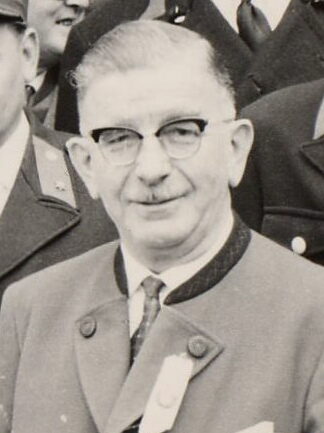 Leopold Figl (1950–1951)Austrian politician, minister, chancellor (1902–1965)
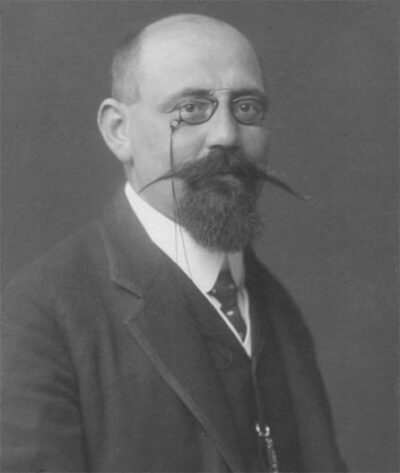 Karl Renner (1945–1950)first President of Austria (1870–1950)
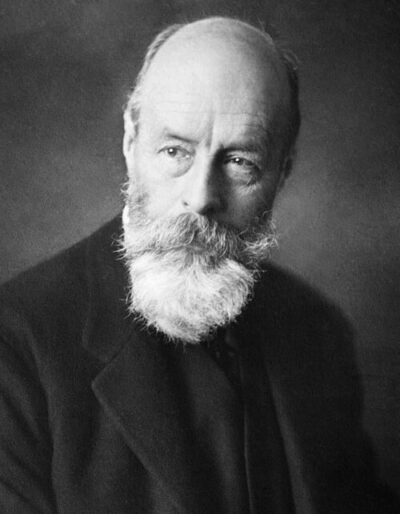 Michael Hainisch (1920–1928)President of Austria (1858–1940)
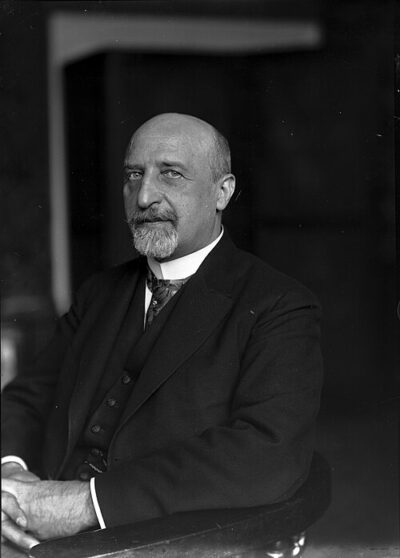 Karl Seitz (1919–1920)President of Austria (1869-1950)
