
President of South Africa
President of South Africa is a South Africa's head of state and head of government. It was created in 1994.
- Office of
- South Africa
- Country
- South Africa
- Created
- May 10, 1994
All 5 facts, and where they come from
Facts
5 facts · 0 confirmed by two sources · 0 cited · 5 from one source
Where this comes from
Papalocal keeps its own record. It started from these sources; what each one said is kept here as it was copied, so a change on their side never changes this page by itself. Tap one to read its version.
What Wikidata says · copied November 17, 2026 · revision 2533737098
- Described as
- South Africa's head of state and head of government
- What it is
- position
- Created
- May 10, 1994
- Country
- South Africa
- Office of
- South Africa
- Official website
- https://thepresidency.gov.za
- Wikipedias with a page
- 51
Wikidata item Q273884 (wikidata.org/wiki/Q273884), public domain (CC0). Copied 2026-11-17.
What Wikipedia says · copied November 17, 2026 · revision 1384977608
The president of South Africa is the head of state and head of government of the Republic of South Africa. The president directs the executive branch of the government and is the commander-in-chief of the South African National Defence Force. Between 1961 and 1994, the office of head of state was the state presidency.
The president is elected by the National Assembly, the lower house of Parliament, and is usually the leader of the largest party, which has been the African National Congress since the first multiracial election was held on 27 April 1994. The Constitution limits the president's time in office to two five-year terms. The first president to be elected under the new constitution was Nelson Mandela. The incumbent is Cyril Ramaphosa, who was elected by the National Assembly on 15 February 2018 following the resignation of Jacob Zuma.
Under the interim constitution (valid from 1994 to 1996), there was a Government of National Unity, in which a member of Parliament (MP) from the largest opposition party was entitled to a position as deputy president. Along with Thabo Mbeki, the last apartheid president, F. W. de Klerk also served as deputy president, in his capacity as the leader of the National Party which was the second-largest party in the new Parliament. But De Klerk later resigned and went into opposition with his party. A voluntary coalition government continues to exist under the new constitution (adopted in 1996), although there have been no appointments of opposition politicians to the post of deputy president since.
The president is required to be a member of the National Assembly at the time of the election. Upon election, the president immediately resigns their seat for the duration of the presidential term. The president may be removed either by a motion of no-confidence or an impeachment trial.
From the Wikipedia article “President of South Africa” (en.wikipedia.org/wiki/President_of_South_Africa), by its contributors, under CC BY-SA 4.0 (creativecommons.org/licenses/by-sa/4.0/). Copied 2026-11-17; not changed.
Confirmed Two sources agree. Cited One source, and it names where it got it. One source One source, without a reference of its own. Sources disagree The sources disagree. We show the best-supported value and keep theirs below.
People connected 6
Held this office
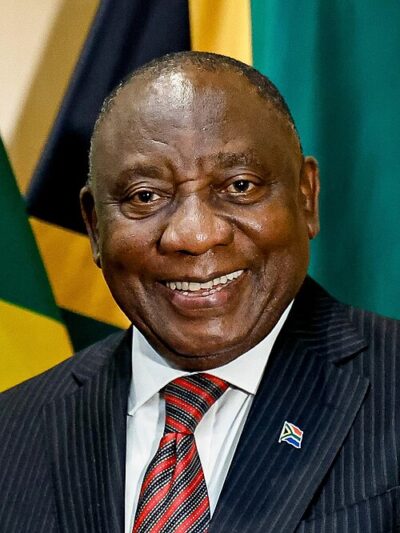 Cyril Ramaphosa (2018–)President of South Africa since 2018
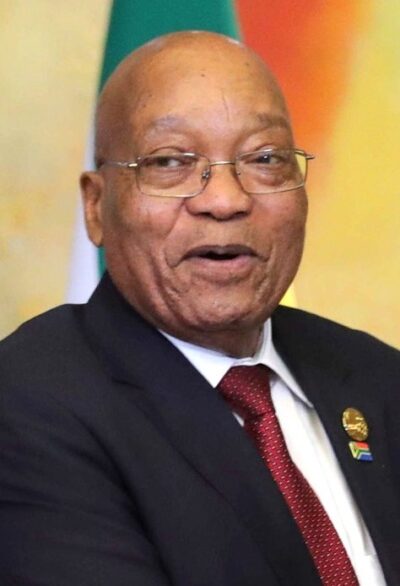 Jacob Zuma (2009–2018)4th President of South Africa (2009–2018)
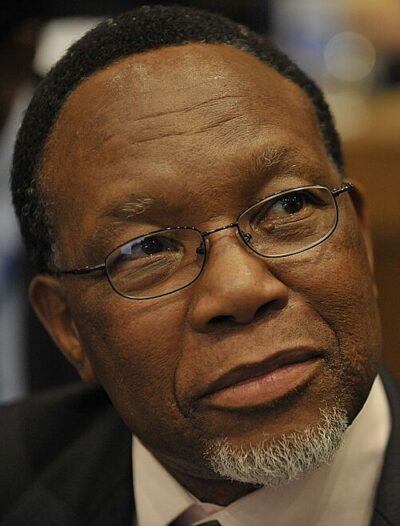 Kgalema Motlanthe (2008–2009)President of South Africa, Deputy President of the ruling African National Congress (ANC) and Secretary-General of the African National Congress
- IIvy Matsepe-Casaburri (2005–2008)South African politician (1937-2009)
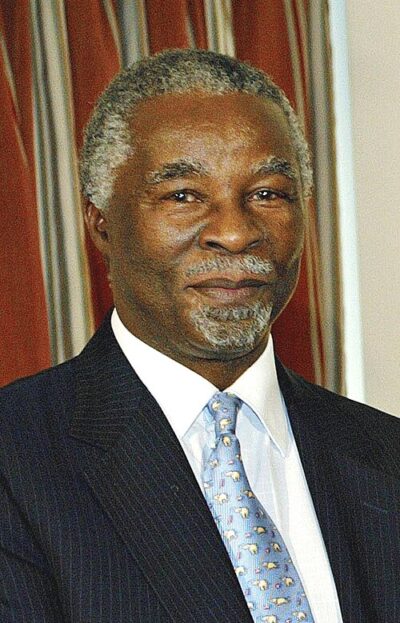 Thabo Mbeki (1999–2008)President of South Africa from 1999 to 2008
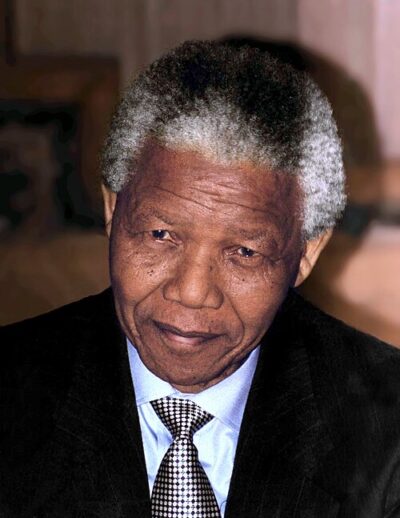 Nelson Mandela (1994–1999)President of South Africa and anti-apartheid activist (1918–2013)
