Prime Minister of Singapore
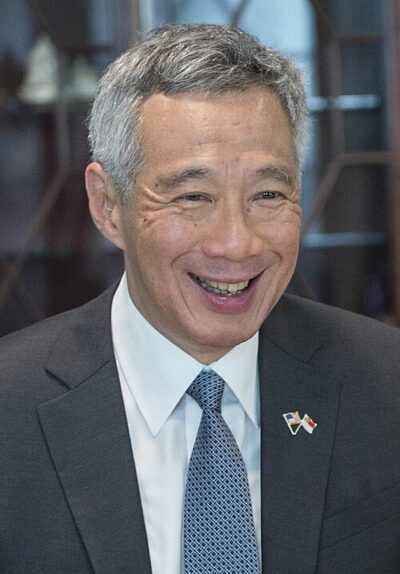
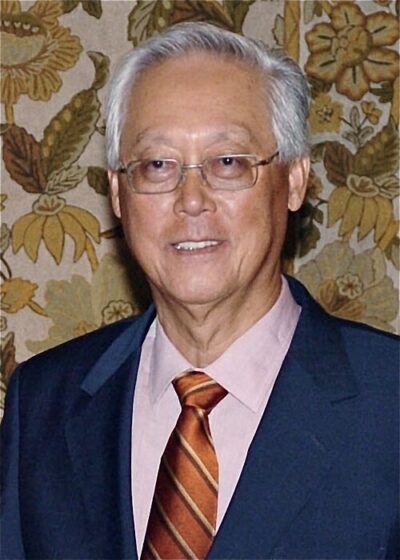
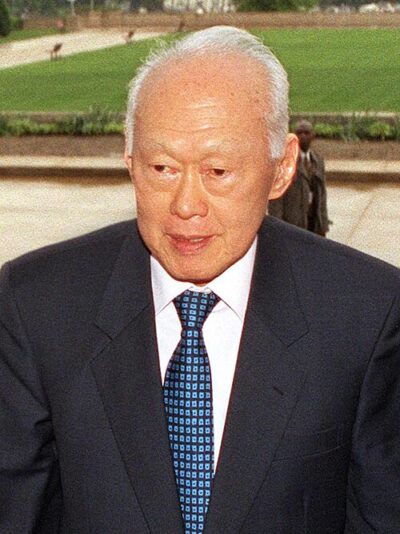
Prime Minister of Singapore is a head of the government of the Republic of Singapore. It was created in 1959.
All 5 facts, and where they come from
Facts
5 facts · 0 confirmed by two sources · 0 cited · 5 from one source
Where this comes from
Papalocal keeps its own record. It started from these sources; what each one said is kept here as it was copied, so a change on their side never changes this page by itself. Tap one to read its version.
What Wikidata says · copied November 17, 2026 · revision 2559614244
- Described as
- head of the government of the Republic of Singapore
- Other names
- Prime Minister of the Republic of Singapore
- What it is
- public office
- Created
- June 3, 1959
- Country
- Singapore
- Office of
- Singapore · 1 reference
- Official website
- https://pmo.gov.sg/
- Wikipedias with a page
- 43
Wikidata item Q866756 (wikidata.org/wiki/Q866756), public domain (CC0). Copied 2026-11-17.
What Wikipedia says · copied November 17, 2026 · revision 1382562797
The prime minister of Singapore is the head of government of Singapore. The president appoints the prime minister on the advice and consent of the Cabinet of Singapore. The incumbent prime minister is Lawrence Wong, an MP for Marsiling–Yew Tee Group Representation Constituency from the governing People's Action Party, who took office on 15 May 2024.
Singapore is modelled after the Westminster system. The prime minister only governs with the confidence of the majority in Parliament; as such, the prime minister typically sits as a member of Parliament (MP) and leads the largest party or a coalition of parties. In practice, the prime minister is the leader of the majority party in Parliament.
From the Wikipedia article “Prime Minister of Singapore” (en.wikipedia.org/wiki/Prime_Minister_of_Singapore), by its contributors, under CC BY-SA 4.0 (creativecommons.org/licenses/by-sa/4.0/). Copied 2026-11-17; not changed.
Confirmed Two sources agree. Cited One source, and it names where it got it. One source One source, without a reference of its own. Sources disagree The sources disagree. We show the best-supported value and keep theirs below.