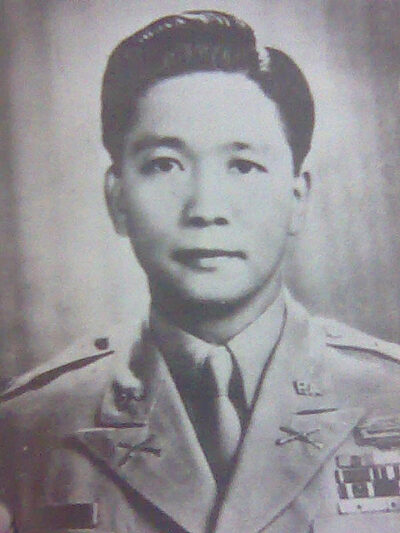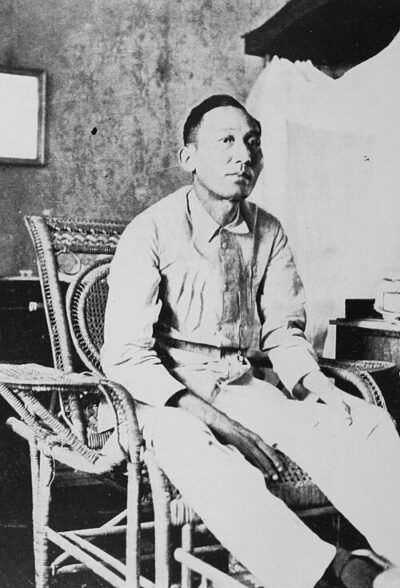
Prime Minister of the Philippines
Prime Minister of the Philippines is a Head of government of the Philippines from 1978 to 1986. It was created in 1899.
- Office of
- Philippines
- Country
- Philippines
- Created
- January 2, 1899
All 5 facts, and where they come from
Facts
5 facts · 0 confirmed by two sources · 0 cited · 5 from one source
Where this comes from
Papalocal keeps its own record. It started from these sources; what each one said is kept here as it was copied, so a change on their side never changes this page by itself. Tap one to read its version.
What Wikidata says · copied November 17, 2026 · revision 2552150524
- Described as
- Head of government of the Philippines from 1978 to 1986
- What it is
- position
- Created
- January 2, 1899
- Ended
- March 25, 1986
- Country
- Philippines
- Office of
- Philippines
- Wikipedias with a page
- 17
Wikidata item Q1139938 (wikidata.org/wiki/Q1139938), public domain (CC0). Copied 2026-11-17.
What Wikipedia says · copied November 17, 2026 · revision 1383914591
The prime minister of the Philippines (Filipino: Punong ministro ng Pilipinas) was the official designation of the head of government (whereas the president of the Philippines was the head of state) of the Philippines from 1978 until the People Power Revolution in 1986. During martial law and the Fourth Republic, the prime minister served as the head of the Armed Forces of the Philippines. A limited version of this office, officially known as the president of the Council of Government, existed temporarily in 1899 during the First Philippine Republic.
Salvador Laurel concurrently served as the last prime minister and the first post-martial law vice president of the Philippines from February 25 to March 25, 1986, after which he continued to serve solely as vice president until 1992.
From the Wikipedia article “Prime Minister of the Philippines” (en.wikipedia.org/wiki/Prime_Minister_of_the_Philippines), by its contributors, under CC BY-SA 4.0 (creativecommons.org/licenses/by-sa/4.0/). Copied 2026-11-17; not changed.
Confirmed Two sources agree. Cited One source, and it names where it got it. One source One source, without a reference of its own. Sources disagree The sources disagree. We show the best-supported value and keep theirs below.
Picture: FiveGeekabytes, via Wikimedia Commons · Public domain