
Prince of Asturias
The Prince of Asturias is a heir to the Castilian and then Spanish throne. It was created in 1388.
- Office of
- Asturias
- Country
- Spain (1715–)
- Created
- 1388
All 7 facts, and where they come from
Facts
7 facts · 0 confirmed by two sources · 0 cited · 7 from one source
Where this comes from
Papalocal keeps its own record. It started from these sources; what each one said is kept here as it was copied, so a change on their side never changes this page by itself. Tap one to read its version.
What Wikidata says · copied November 17, 2026 · revision 2563268723
- Described as
- heir to the Castilian and then Spanish throne
- Other names
- princess of Asturias
- What it is
- nobility of Spain; substantive title
- Created
- 1388
- Country
- Spain (1715–); Crown of Castile (1388–1715)
- Office of
- Asturias · 1 reference
- Official website
- http://casareal.es
- Wikipedias with a page
- 44
Wikidata item Q835706 (wikidata.org/wiki/Q835706), public domain (CC0). Copied 2026-11-17.
What Wikipedia says · copied November 17, 2026 · revision 1373764291
Prince or Princess of Asturias (Spanish: Príncipe/Princesa de Asturias) is the main substantive title used by the heir apparent, or heir presumptive to the Spanish Crown.
According to the Spanish Constitution of 1978:Article 57.2: The Crown Prince, from the time of his birth or the event conferring this position upon him, shall hold the title of Prince of Asturias
and the other titles traditionally held by the heir to the Crown of Spain.
The title originated in 1388, when King John I of Castile granted the dignity – which included jurisdiction over the territory of Asturias – to his first-born son Henry. In an attempt to end the dynastic struggle between the heirs of Kings Peter I and Henry II of Castile, the principality was chosen as the highest jurisdictional lordship the King could grant that had not yet been granted to anyone. The custom of granting unique titles to royal heirs had already been in use in the Crown of Aragon (Prince of Girona) and the kingdoms of England (Prince of Wales), and France (Dauphin of Viennois). The title, therefore, had two purposes: to serve as a generic title to name the heir apparent or heir presumptive, and as a specific title to apply to the prince who was first in the line of succession when the King transmitted to him the territory of the principality, with its government and its income.
After the formation of the dynastic union between the Kingdoms of Castile and Aragon under the Catholic Monarchs, the title was favoured by the Spanish King, who by custom applied it in the same way, i.e. to his heir apparent. For generations the kingdom's crown prince accumulated the titles "Prince of Asturias, Girona, Spain and the New World", modifying those of the earlier regnant Habsburgs: "Prince of these Kingdoms, Prince of the Spains and the New World" (Príncipe de estos Reynos, príncipe de las Españas y del Nuevo Mundo).
When the Bourbons acceded to the Spanish throne in 1705, the title was retained following the decisive help of Castile to the house in the War of the Spanish Succession. At the beginning of the 19th century, the Spanish Constitution of 1812 (European year of revolutions) with consent of its counterparties ascribed the title to the heir of the Crown. The Constitutions within the following decades temporarily removed the synonymy between the title and position as heir to the Crown; before being reinstated and recited in the second half of the 19th century, first half of the 20th century, and on the restoration of the monarchy (under parliamentary predominance) in 1978.
From the Wikipedia article “Prince of Asturias” (en.wikipedia.org/wiki/Prince_of_Asturias), by its contributors, under CC BY-SA 4.0 (creativecommons.org/licenses/by-sa/4.0/). Copied 2026-11-17; not changed.
Confirmed Two sources agree. Cited One source, and it names where it got it. One source One source, without a reference of its own. Sources disagree The sources disagree. We show the best-supported value and keep theirs below.
People connected 16
Held this office
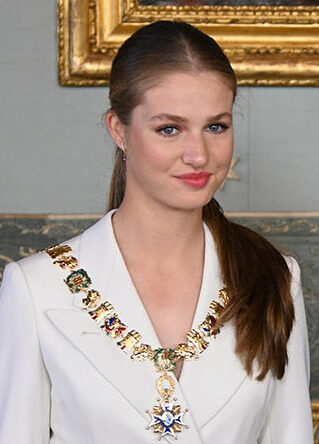 Leonor, Princess of Asturias (2014–)38th princess of Asturias and heiress to the Spanish throne
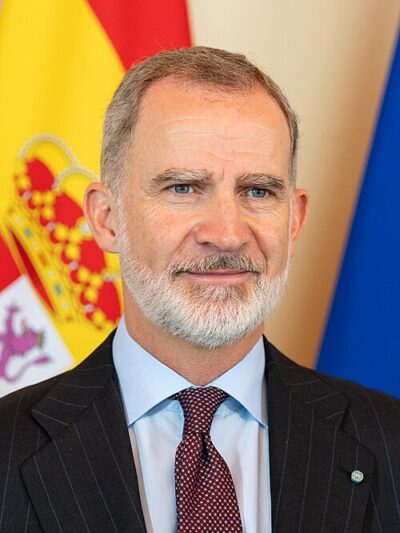 Felipe VI of Spain (1977–2014)King of Spain since 2014
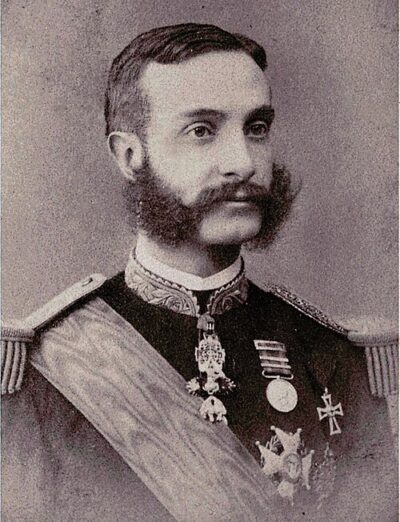 Alfonso XII of Spain (1857–1868)king of Spain from 1874 to 1885
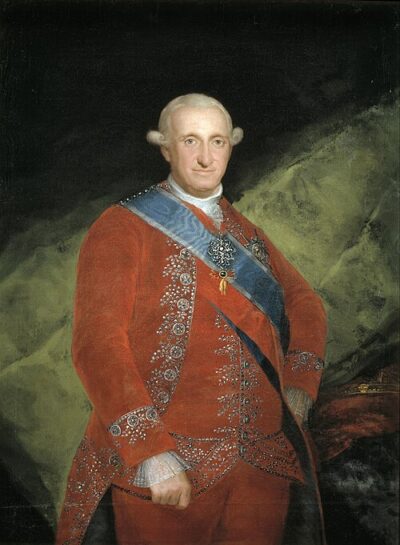 Charles IV of Spain (1759–1788)King of Spain from 1788 to 1808
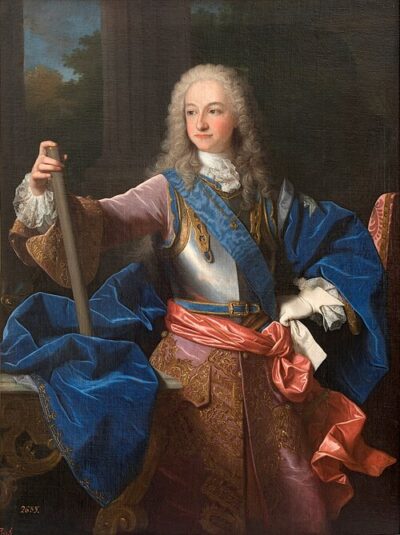 Louis I of Spain (1709–1724)king of Spain
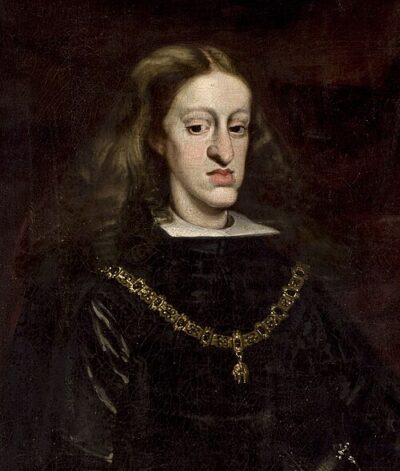 Charles II of Spain (1661–1665)king of Spain, lived (1661-1700)
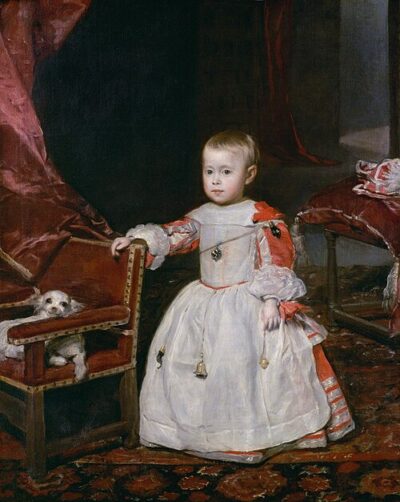 Philip Prospero, Prince of Asturias (1658–1661)Heir apparent to the Spanish throne.
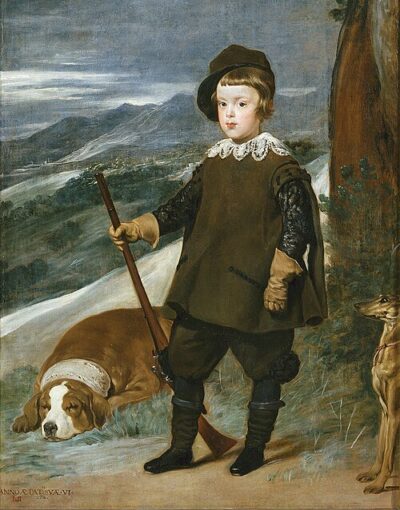 Balthasar Charles (1632–1646)Prince of Asturias; (1629-1646)
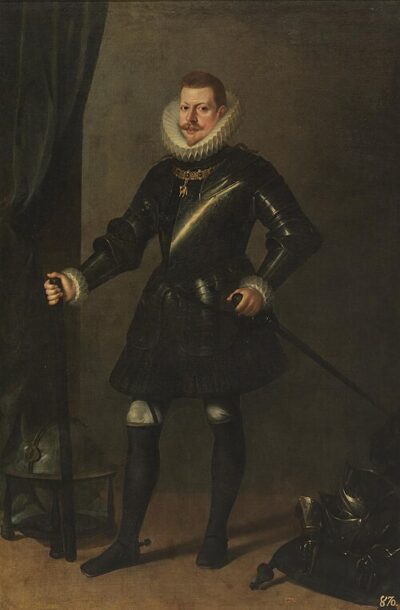 Philip III of Spain (1584–1598)King of Castilla and León and King of Aragon and Portugal (1578-1621)
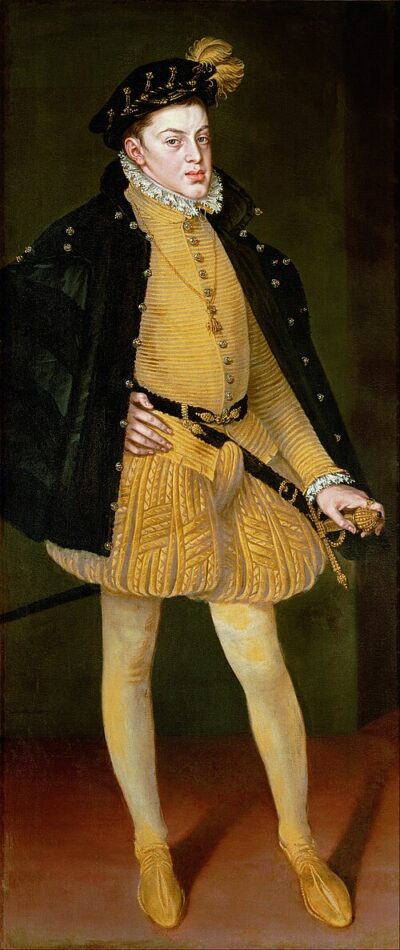 Carlos, Prince of Asturias (1556–1568)Prince of Asturias; eldest child of Philip II of Spain
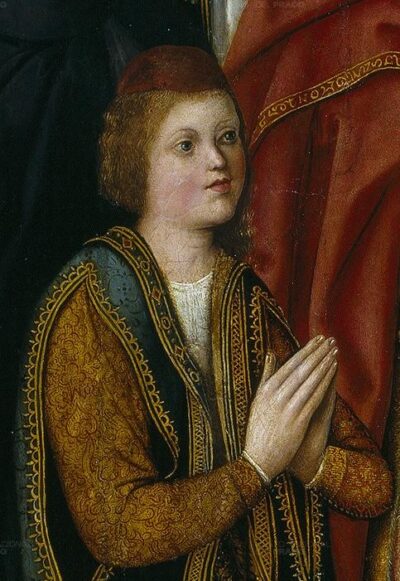 John, Prince of Asturias (1480–1497)Prince of Asturia
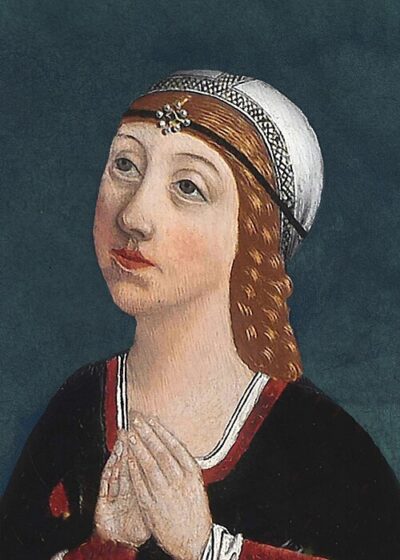 Isabel of Aragon (1476–1498)queen consort of Portugal (1470-1498)
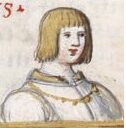 Alfonso (1464–1465)Prince of Asturias (1453-1468)
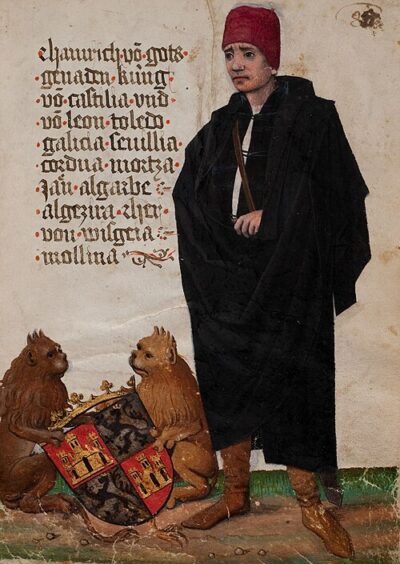 Henry IV of Castile (1425–1454)King of Castile
 Miguel da Paz, Prince of PortugalPortuguese prince (1498-1500)
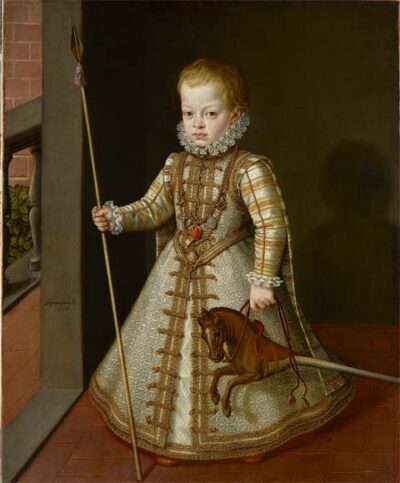 Diego, Prince of AsturiasSpanish prince of the XVIth century, heir of the Spanish Monarchy (1578-1582)
