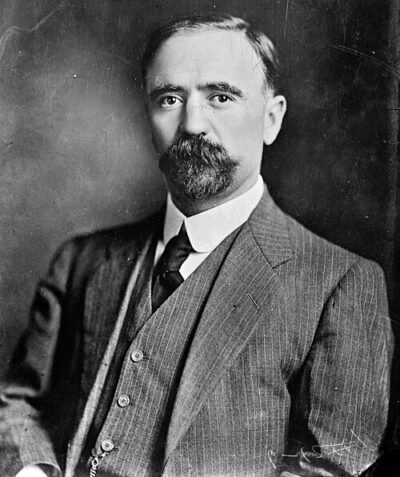
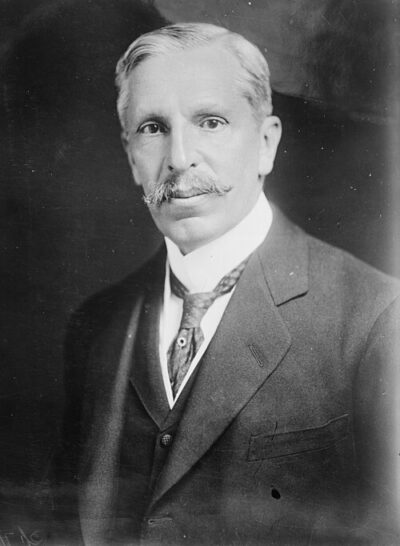
Progressive Constitutionalist Party
The Progressive Constitutionalist Party is a defunct political party in Mexico. It was founded in 1911. It stands for Maderism, liberalism and constitutionalism.
- Country
- Mexico
- Founded
- August 11, 1911
- Ideology
- Maderism
All 8 facts, and where they come from
Facts
8 facts · 0 confirmed by two sources · 0 cited · 8 from one source
Where this comes from
Papalocal keeps its own record. It started from these sources; what each one said is kept here as it was copied, so a change on their side never changes this page by itself. Tap one to read its version.
What Wikidata says · copied November 17, 2026 · revision 2547144957
- Described as
- defunct political party in Mexico
- What it is
- political party
- Founded
- August 11, 1911 · 1 reference
- Ended
- February 1913
- Country
- Mexico
- Ideology
- Maderism; liberalism; constitutionalism; secularism
- Wikipedias with a page
- 5
Wikidata item Q2456463 (wikidata.org/wiki/Q2456463), public domain (CC0). Copied 2026-11-17.
What Wikipedia says · copied November 17, 2026 · revision 1345480214
The Progressive Constitutionalist Party (Spanish: Partido Constitucional Progresista), known by its acronym PCP, was a liberal political party that existed between 1909 and 1913. It drew ideologically from social liberalism, as well as economic liberalism. The party was formed as the conservative wing of the former Liberal Party but not as conservative as the Liberal Party itself under Porfirio Díaz, which in the early 20th century had splintered into more radical factions, represented by the Mexican Liberal Party (PLM).
The party was originally founded in 1909 as the National Antireelectionist Party (Spanish: Partido Nacional Antirreeleccionista) and was rebranded in 1911 as the PCP.
From the Wikipedia article “Progressive Constitutionalist Party (Mexico)” (en.wikipedia.org/wiki/Progressive_Constitutionalist_Party_(Mexico)), by its contributors, under CC BY-SA 4.0 (creativecommons.org/licenses/by-sa/4.0/). Copied 2026-11-17; not changed.
Confirmed Two sources agree. Cited One source, and it names where it got it. One source One source, without a reference of its own. Sources disagree The sources disagree. We show the best-supported value and keep theirs below.