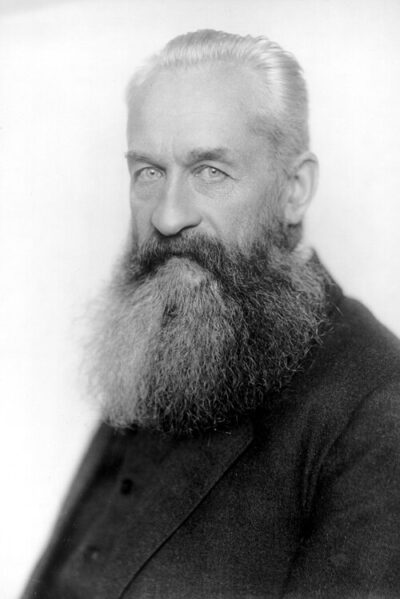
Progressive Party
The Progressive Party is a political party in the Russian Empire. It was founded in 1912. It stands for conservative liberalism and classical liberalism.
- Country
- Russian Empire
- Founded
- 1912
- Ideology
- conservative liberalism
- Chair
- Alexander Konovalov
All 9 facts, and where they come from
Facts
9 facts · 0 confirmed by two sources · 0 cited · 9 from one source
Where this comes from
Papalocal keeps its own record. It started from these sources; what each one said is kept here as it was copied, so a change on their side never changes this page by itself. Tap one to read its version.
What Wikidata says · copied November 17, 2026 · revision 2520687462
- Described as
- political party in the Russian Empire
- Other names
- Progressists
- What it is
- political party; former liberal party
- Founded
- 1912
- Ended
- 1917
- Country
- Russian Empire · 1 reference
- Chair
- Alexander Konovalov; Ivan Nikolaïevitch Efremov · 1 reference
- Ideology
- conservative liberalism; classical liberalism
- Wikipedias with a page
- 12
Wikidata item Q2454674 (wikidata.org/wiki/Q2454674), public domain (CC0). Copied 2026-11-17.
What Wikipedia says · copied November 17, 2026 · revision 1345743549
The Progressive Party (Russian: Прогрессивная партия), also known as the Progressists (Russian: прогрессисты), was a group of moderate Russian liberals organized in 1912. It had 25 deputies in the Third Duma and 48 in the Fourth. Its most prominent members were Ivan Efremov, Aleksandr Konovalov, and Pavel Ryabushinsky. In the last two Dumas, the Progressists entered into a coalition with the Constitutional Democrats, and in the Fourth Duma, they were part of the Progressive Bloc. After the February Revolution, Efremov and Konovalov became part of the Provisional Government.
From the Wikipedia article “Progressive Party (Russia)” (en.wikipedia.org/wiki/Progressive_Party_(Russia)), by its contributors, under CC BY-SA 4.0 (creativecommons.org/licenses/by-sa/4.0/). Copied 2026-11-17; not changed.
Confirmed Two sources agree. Cited One source, and it names where it got it. One source One source, without a reference of its own. Sources disagree The sources disagree. We show the best-supported value and keep theirs below.