Rankine's method
Rankine's method is a civil engineering method invented in Scotland.
All 1 facts, and where they come from
Facts
1 facts · 0 confirmed by two sources · 0 cited · 1 from one source
Where this comes from
Papalocal keeps its own record. It started from these sources; what each one said is kept here as it was copied, so a change on their side never changes this page by itself. Tap one to read its version.
What Wikidata says · copied November 17, 2026 · revision 2401756689
- Described as
- civil engineering method invented in Scotland
- What it is
- method
- Wikipedias with a page
- 1
Wikidata item Q7293279 (wikidata.org/wiki/Q7293279), public domain (CC0). Copied 2026-11-17.
What Wikipedia says · copied November 17, 2026 · revision 1155176273
Rankine's method or tangential angle method is an angular technique for laying out circular curves by a combination of chaining and angles at circumference, fully exploiting the theodolite and making a substantial improvement in accuracy and productivity over existing methods. This method requires access to only one road/path of communication to lay out a curve. Points on curve are calculated by their angular offset from the path of communication.
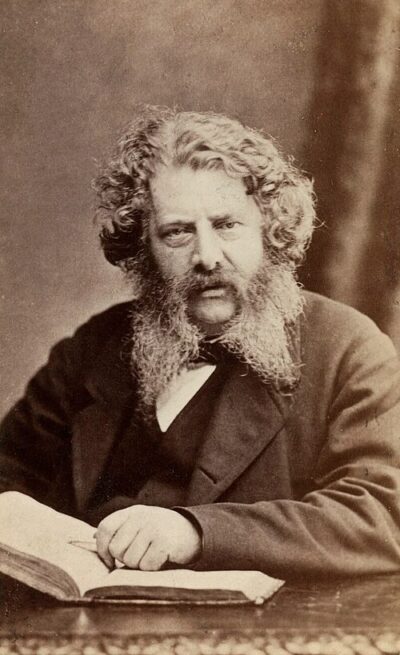
Rankine's method is named for its discoverer William John Macquorn Rankine at an early stage of his career. He had been working on railways in Ireland, on the construction of the Dublin and Drogheda line.
From the Wikipedia article “Rankine's method” (en.wikipedia.org/wiki/Rankine's_method), by its contributors, under CC BY-SA 4.0 (creativecommons.org/licenses/by-sa/4.0/). Copied 2026-11-17; not changed.
Confirmed Two sources agree. Cited One source, and it names where it got it. One source One source, without a reference of its own. Sources disagree The sources disagree. We show the best-supported value and keep theirs below.