Rheinische Zeitung
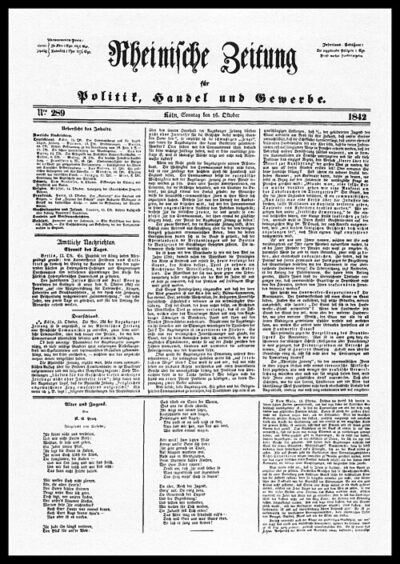
Rheinische Zeitung is a German pro-democratic, reformist publication in the Vormärz period (1842-1843). It was founded in 1841. Its headquarters are in Cologne.
- Founded
- 1841
- Headquarters
- Cologne
- Country
- Kingdom of Prussia
All 7 facts, and where they come from
Facts
7 facts · 0 confirmed by two sources · 0 cited · 7 from one source
Where this comes from
Papalocal keeps its own record. It started from these sources; what each one said is kept here as it was copied, so a change on their side never changes this page by itself. Tap one to read its version.
What Wikidata says · copied November 17, 2026 · revision 2569068330
- Described as
- German pro-democratic, reformist publication in the Vormärz period (1842-1843)
- Other names
- Rhinelander Gazette (Rheinische Zeitung)
- What it is
- newspaper
- Language
- German
- Founded
- 1841
- Ended
- March 31, 1843
- Headquarters
- Cologne · 1 reference
- Located in
- Cologne
- Country
- Kingdom of Prussia
- Wikipedias with a page
- 15
Wikidata item Q519542 (wikidata.org/wiki/Q519542), public domain (CC0). Copied 2026-11-17.
What Wikipedia says · copied November 17, 2026 · revision 1384859371
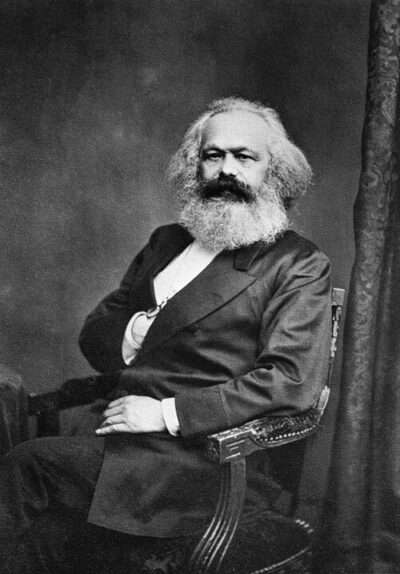
The Rheinische Zeitung ("Rhenish Newspaper") was a 19th-century German newspaper, edited most famously by Karl Marx. The paper was launched in January 1842 and terminated by Prussian state censorship in March 1843. The paper was eventually succeeded by a daily newspaper launched by Marx on behalf of the Communist League in June 1848, called the Neue Rheinische Zeitung ("New Rhenish Newspaper").
From the Wikipedia article “Rheinische Zeitung” (en.wikipedia.org/wiki/Rheinische_Zeitung), by its contributors, under CC BY-SA 4.0 (creativecommons.org/licenses/by-sa/4.0/). Copied 2026-11-17; not changed.
Confirmed Two sources agree. Cited One source, and it names where it got it. One source One source, without a reference of its own. Sources disagree The sources disagree. We show the best-supported value and keep theirs below.
Picture: Unknown author, via Wikimedia Commons · Public domain