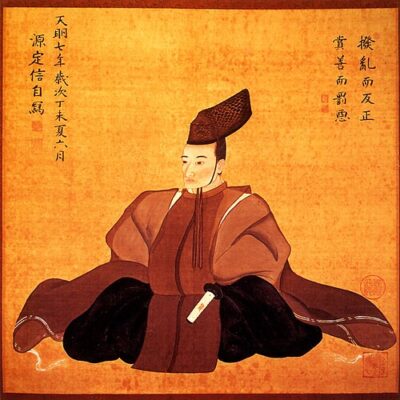
Rōjū
Rōjū is one of the highest-ranking posts of Tokugawa Shogunate.
- Country
- Tokugawa shogunate
All 2 facts, and where they come from
Facts
2 facts · 0 confirmed by two sources · 0 cited · 2 from one source
Where this comes from
Papalocal keeps its own record. It started from these sources; what each one said is kept here as it was copied, so a change on their side never changes this page by itself. Tap one to read its version.
What Wikidata says · copied November 19, 2026 · revision 2569636132
- Described as
- one of the highest-ranking posts of Tokugawa Shogunate
- Other names
- Roju
- What it is
- position
- Country
- Tokugawa shogunate
- Wikipedias with a page
- 19
Wikidata item Q1196812 (wikidata.org/wiki/Q1196812), public domain (CC0). Copied 2026-11-19.
What Wikipedia says · copied November 19, 2026 · revision 1360815551
The Rōjū (老中), usually translated as Elder, was one of the highest-ranking government posts under the Tokugawa shogunate of Edo period Japan. The term refers either to individual Elders, or to the Council of Elders as a whole; under the first two shōguns, there were only two Rōjū. The number was then increased to five, and later reduced to four. The Rōjū were usually appointed from the ranks of the fudai daimyōs with domains of between 25,000 and 50,000 koku.
From the Wikipedia article “Rōjū” (en.wikipedia.org/wiki/Rōjū), by its contributors, under CC BY-SA 4.0 (creativecommons.org/licenses/by-sa/4.0/). Copied 2026-11-19; not changed.
Confirmed Two sources agree. Cited One source, and it names where it got it. One source One source, without a reference of its own. Sources disagree The sources disagree. We show the best-supported value and keep theirs below.