
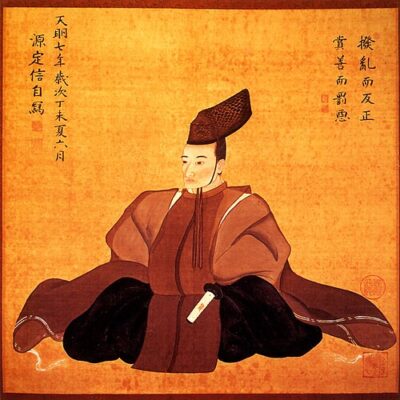
Matsudaira Sadanobu
Matsudaira Sadanobu was a Japanese daimyō of the mid-Edo period. Born January 15, 1759, in Edo. Died June 14, 1829, in Mita. Positions held include Rōjū. Known for Shūko Jisshu.
Facts
15 facts · 2 confirmed by two sources · 1 cited · 12 from one source
Where this comes from
Papalocal keeps its own record. It started from these sources; what each one said is kept here as it was copied, so a change on their side never changes this page by itself. Tap one to read its version.
What Wikidata says · copied November 18, 2026 · revision 2554027888
- Described as
- Japanese daimyō of the mid-Edo period (1759-1829)
- Born
- January 15, 1759 · 1 reference
- Died
- June 14, 1829 · 2 references
- Born in
- Edo
- Died in
- Mita
- Buried in
- Reigan-ji Temple
- Citizen of
- Japan
- Occupation
- philosopher; politician · 1 reference; daimyo · 1 reference
- Positions held
- Rōjū
- Known for
- Shūko Jisshu
- Children
- Matsudaira Sadanaga; Sanada Yukitsura
- Father
- Tokugawa Munetake
- Siblings
- Matsudaira Sadakuni
- Wikipedias with a page
- 20
Wikidata item Q284038 (wikidata.org/wiki/Q284038), public domain (CC0). Copied November 18, 2026.
What Wikipedia says · copied November 18, 2026 · revision 1379224713
Matsudaira Sadanobu (松平 定信; Japanese pronunciation: [ma.tsɯ.daꜜi.ɾa | sa.daꜜ.no.bɯ, maꜜ.tsɯ.dai.ɾa-], January 15, 1759 – June 14, 1829) was a Japanese daimyō of the mid-Edo period, famous for his financial reforms which saved the Shirakawa Domain (modern: Shirakawa, Fukushima), and similar reforms he undertook during his tenure as chief senior councilor (老中首座, rōjū shuza) of the Tokugawa shogunate, from 1787 to 1793.
- Born, in its opening lines
- January 15, 1759
- Died, in its opening lines
- June 14, 1829
From the Wikipedia article “Matsudaira Sadanobu” (en.wikipedia.org/wiki/Matsudaira_Sadanobu), by its contributors, under CC BY-SA 4.0 (creativecommons.org/licenses/by-sa/4.0/). Copied November 18, 2026; not changed.
Confirmed Two sources agree. Cited One source, and it names where it got it. One source One source, without a reference of its own. Sources disagree The sources disagree. We show the best-supported value and keep theirs below.
