
royal mistress
Royal mistress is a semi-official position at court.
All 2 facts, and where they come from
Facts
2 facts · 0 confirmed by two sources · 0 cited · 2 from one source
Where this comes from
Papalocal keeps its own record. It started from these sources; what each one said is kept here as it was copied, so a change on their side never changes this page by itself. Tap one to read its version.
What Wikidata says · copied November 17, 2026 · revision 2552581887
- Described as
- semi-official position at court
- What it is
- occupation; social role
- Wikipedias with a page
- 20
Wikidata item Q1075186 (wikidata.org/wiki/Q1075186), public domain (CC0). Copied 2026-11-17.
What Wikipedia says · copied November 17, 2026 · revision 1376066903
A royal mistress is the historical position and sometimes unofficial title of the extramarital lover of a monarch or an heir apparent, who was expected to provide certain services, such as sexual or romantic intimacy, companionship, and advice in return for security, titles, money, honours, and an influential place at the royal court. Thus, some royal mistresses have had considerable power, being the power behind the throne. The institution partly owes its prevalence to the fact that royal marriages used to be conducted solely on the basis of political and dynastic considerations, leaving little space for the monarch's personal preferences in the choice of a partner.
The title of royal mistress was never official, and most mistresses had an official reason to be at the court, such as being a lady-in-waiting or maid-of-honour to a female member of the royal family or a governess to the royal children. However, their real position was most often an open secret, and there was no real division between formal and informal political power in the early French court. From the 15th century onward and most importantly in France, chief mistresses gained a semi-official title (French: maîtresse-en-titre, literally "official mistress"), which came with its own assigned apartments in the palace. A chief mistress was also sometimes called a maîtresse déclarée, or "declared mistress". An unacknowledged, less important royal lover was known as a petite maîtresse ("little mistress").
In Europe, the children of mistresses were typically not included in the line of succession, except when secret marriages were alleged. They were however regularly given titles and high positions in the court or the army.
From the Wikipedia article “Royal mistress” (en.wikipedia.org/wiki/Royal_mistress), by its contributors, under CC BY-SA 4.0 (creativecommons.org/licenses/by-sa/4.0/). Copied 2026-11-17; not changed.
Confirmed Two sources agree. Cited One source, and it names where it got it. One source One source, without a reference of its own. Sources disagree The sources disagree. We show the best-supported value and keep theirs below.
People connected 6
Occupation
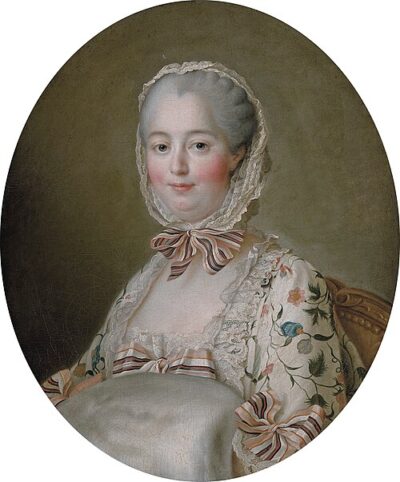 Madame de Pompadourchief mistress of Louis XV of France (1721-1764)
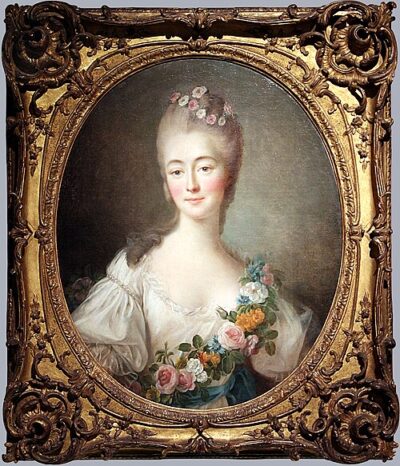 Madame du Barry (1769–1774)French noblewoman by marriage (1743–1793), last mistress of Louis XV (from 1768 to 1774)
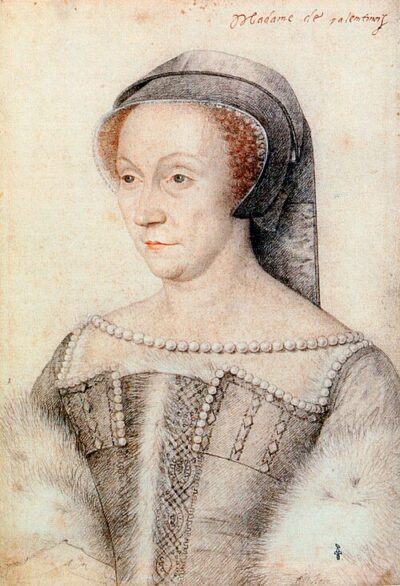 Diane de PoitiersFrench noblewoman and courtier (c.1499-1566)
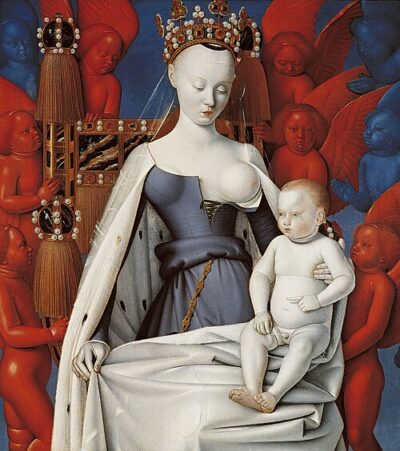 Agnès SorelFrench Royal mistress (1422-1450)
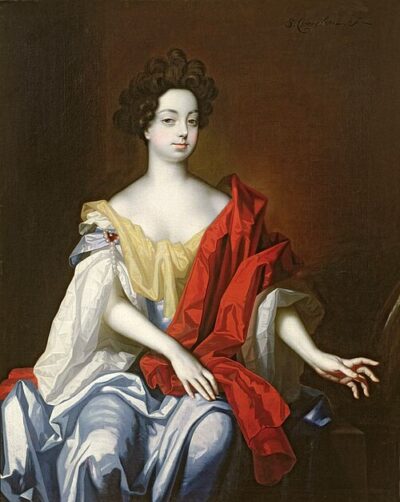 Nell GwynRoyal mistress (1650-1687)
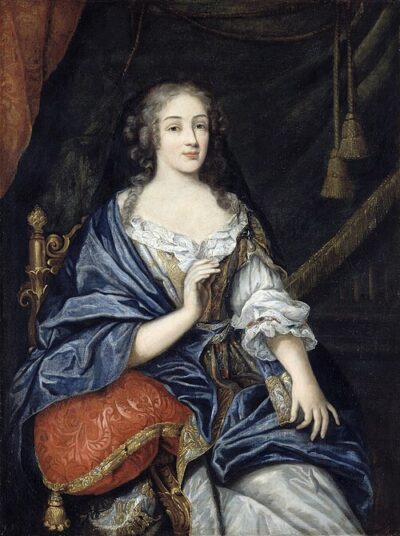 Louise de La Vallièremistress of Louis XIV
