
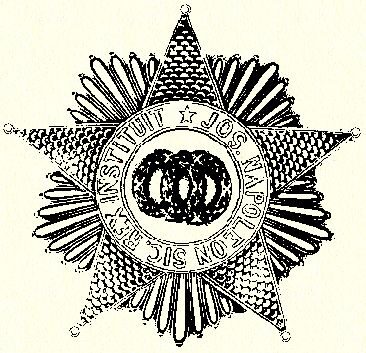
Royal Order of the Two-Sicilies
Royal Order of the Two-Sicilies is an order. It was created in 1808.
- Country
- Kingdom of Naples
- Created
- February 24, 1808
All 5 facts, and where they come from
Facts
5 facts · 0 confirmed by two sources · 0 cited · 5 from one source
Where this comes from
Papalocal keeps its own record. It started from these sources; what each one said is kept here as it was copied, so a change on their side never changes this page by itself. Tap one to read its version.
What Wikidata says · copied November 17, 2026 · revision 2569445881
- Described as
- award
- What it is
- order; order of chivalry
- Created
- February 24, 1808
- Country
- Kingdom of Naples; Kingdom of the Two Sicilies
- Wikipedias with a page
- 8
Wikidata item Q893235 (wikidata.org/wiki/Q893235), public domain (CC0). Copied 2026-11-17.
What Wikipedia says · copied November 17, 2026 · revision 1344677073
The Royal Order of the Two-Sicilies (Italian: Ordine reale delle Due Sicilie; French: Ordre royal des Deux-Siciles) is a dynastic order of knighthood, founded of the Kingdom of Naples and the Kingdom of Two Sicilies. The order was established 24 February 1808 by Joseph Bonaparte, who, at the time, was the King of Naples. The order was expanded and continued under the rule of Joachim Murat but was ultimately suppressed by Ferdinand I of the Two Sicilies in 1819. Those Knights of the Order of the Two-Sicilies who were still active were instead awarded the Order of Saint George and Reunion.
The order was revived in 2017 as a dynastic family order of the House of Murat, under the initiative of Joachim, 8th Prince Murat, who serves as its current grand master.
From the Wikipedia article “Royal Order of the Two-Sicilies” (en.wikipedia.org/wiki/Royal_Order_of_the_Two-Sicilies), by its contributors, under CC BY-SA 4.0 (creativecommons.org/licenses/by-sa/4.0/). Copied 2026-11-17; not changed.
Confirmed Two sources agree. Cited One source, and it names where it got it. One source One source, without a reference of its own. Sources disagree The sources disagree. We show the best-supported value and keep theirs below.
Picture: Mazimilian Gritzner, via Wikimedia Commons · Public domain
People connected 6
Won it
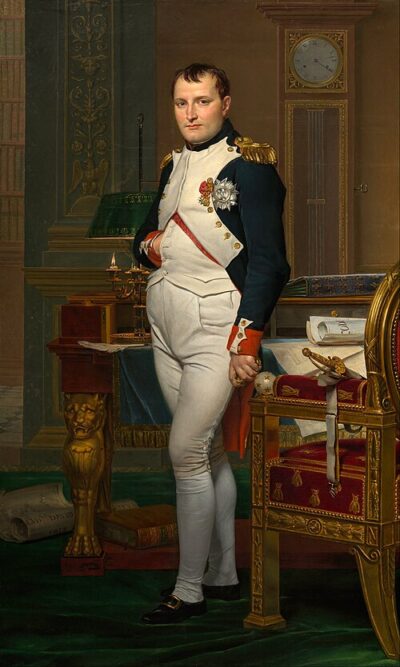 NapoleonFrench military leader, French Emperor 1804–1814 and again in 1815 (1769–1821)
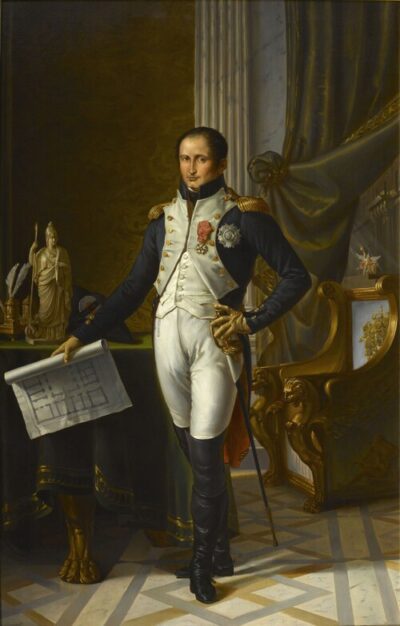 Joseph Bonapartebrother of Napoleon Bonaparte; King of Naples (1806–08) and Spain (1808–13)
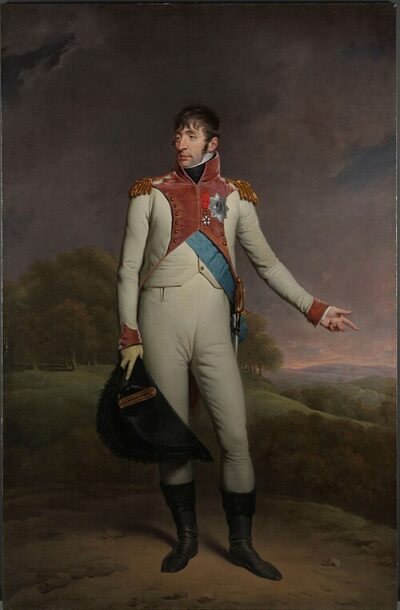 Louis Bonaparteking of Holland, brother of Napoleon Bonaparte, member of the House of Buonaparte (1778-1846)
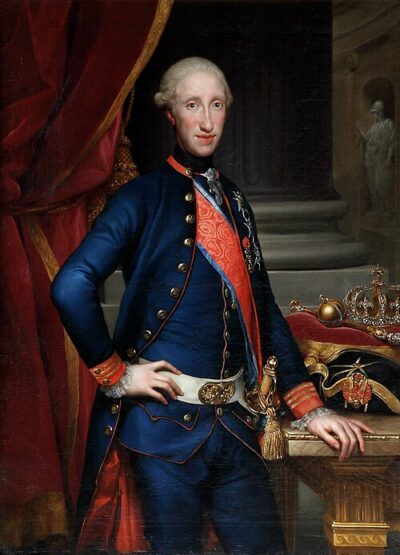 Ferdinand I of the Two SiciliesKing of Naples (1759-1806, 1815-1816), Sicily (1759-1816), and the Two Sicilies (1816-1825)
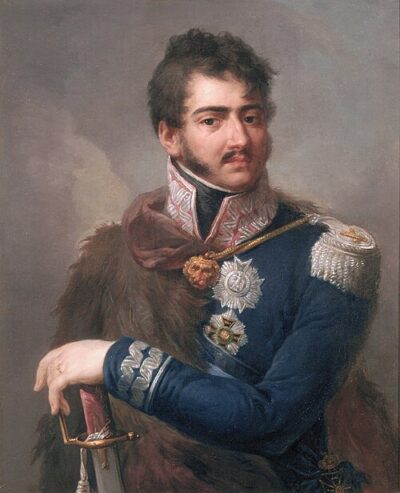 Józef Poniatowskinephew of King of Poland Stanislaus II; Marshal of France (1763-1813)
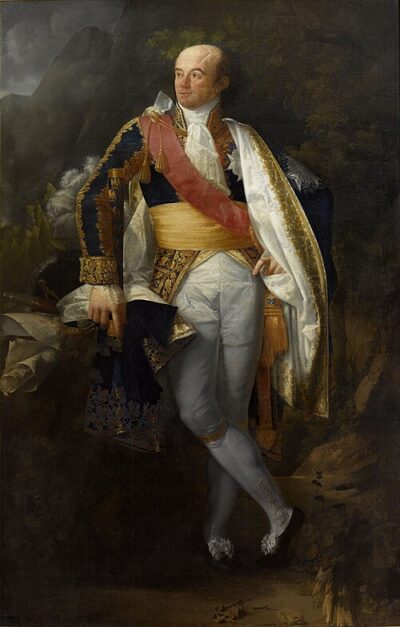 Catherine-Dominique PérignonMarshal of France (1754-1818)
