Russia of the Future
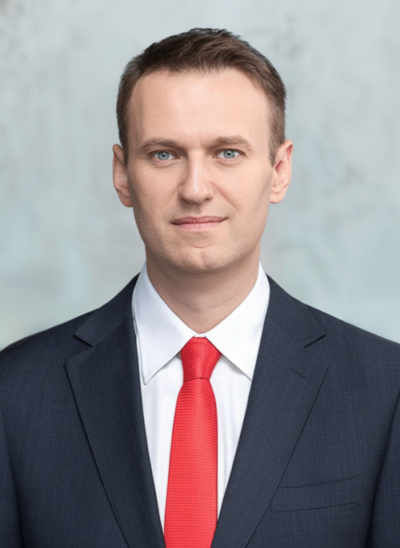
Russia of the Future is a political party in Russia. It was founded in 2012 by Leonid Volkov. Its headquarters are in Moscow. It stands for civic nationalism, technocracy and e-democracy.
- Country
- Russia
- Founded
- December 15, 2012
- Ideology
- civic nationalism
All 11 facts, and where they come from
Facts
11 facts · 0 confirmed by two sources · 0 cited · 11 from one source
Where this comes from
Papalocal keeps its own record. It started from these sources; what each one said is kept here as it was copied, so a change on their side never changes this page by itself. Tap one to read its version.
What Wikidata says · copied November 17, 2026 · revision 2501944380
- Described as
- political party in Russia
- Other names
- Progress Party (Russia), People's Alliance (Russia)
- What it is
- political party
- Founded
- December 15, 2012
- Ended
- April 29, 2021 · 1 reference
- Founded by
- Leonid Volkov
- Headquarters
- Moscow
- Country
- Russia
- Ideology
- civic nationalism; technocracy; e-democracy; liberalism
- Official website
- http://partyprogress.org
- Wikipedias with a page
- 19
Wikidata item Q54553317 (wikidata.org/wiki/Q54553317), public domain (CC0). Copied 2026-11-17.
What Wikipedia says · copied November 17, 2026 · revision 1380833700
Russia of the Future (Russian: Россия Будущего, romanized: Rossiya Budushchego, IPA: [rɐˈsʲijə ˈbudʊɕːɪvə]), originally known as the People's Alliance (Народный Альянс, Narodnyy Al'yans) and formerly called the Progress Party (Партия Прогресса, Partiya Progressa), is an unregistered opposition political party in Russia founded on 15 December 2012 by Leonid Volkov and later refounded on 19 May 2018 by Alexei Navalny, who was also the founder of the non-profit organisation Anti-Corruption Foundation.
Russia of the Future opposes Russian President Vladimir Putin and the ruling party United Russia. The party's platform stood for the decentralization of power in Russia, cutting the number of government officials, lustration for those responsible for political repressions, the reduction of the president's powers, possibly switching to a parliamentary republic under the rule of law, and ensuring the independence of the judiciary. It also stipulated "drastically reducing" government interference in the economy, ending censorship, prohibiting the government from owning media outlets and abolishing conscription. The foreign policy plan called for introducing visas with Central Asia, stopping support for so-called rogue states and partnering up with Western countries.
According to Navalny's ally Lyubov Sobol, the goals of the party include "real changes, real reforms", including increased property protections, a fair criminal-justice system and battling corruption, "so that money from the budget does not flow into offshores and is not spent on yachts and palaces". The founding session of the party was attended by 124 delegates from 60 of Russia's regions. The party has a seven-member central committee instead of a chairman.
Russia's Ministry of Justice has repeatedly declined registration of the party on the grounds that another party of the same name already existed or due to alleged paperwork errors.
From the Wikipedia article “Russia of the Future” (en.wikipedia.org/wiki/Russia_of_the_Future), by its contributors, under CC BY-SA 4.0 (creativecommons.org/licenses/by-sa/4.0/). Copied 2026-11-17; not changed.
Confirmed Two sources agree. Cited One source, and it names where it got it. One source One source, without a reference of its own. Sources disagree The sources disagree. We show the best-supported value and keep theirs below.