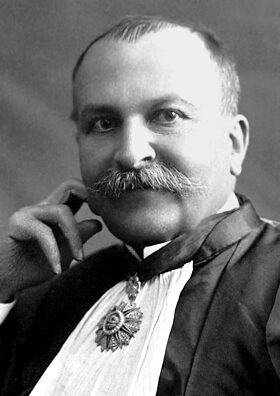
Sabatier reaction
Sabatier reaction is a methanation process of carbon dioxide with hydrogen.
All 4 facts, and where they come from
Facts
4 facts · 0 confirmed by two sources · 1 cited · 3 from one source
Where this comes from
Papalocal keeps its own record. It started from these sources; what each one said is kept here as it was copied, so a change on their side never changes this page by itself. Tap one to read its version.
What Wikidata says · copied November 17, 2026 · revision 2570041346
- Described as
- methanation process of carbon dioxide with hydrogen
- What it is
- eponymous chemical reaction; chemical process; methanation
- Named after
- Paul Sabatier · 1 reference
- Wikipedias with a page
- 26
Wikidata item Q899612 (wikidata.org/wiki/Q899612), public domain (CC0). Copied 2026-11-17.
What Wikipedia says · copied November 17, 2026 · revision 1351576648
The Sabatier reaction or Sabatier process produces methane and water from a reaction of hydrogen with carbon dioxide at elevated temperatures (optimally 300–400 °C) and pressures (perhaps 3 megapascals; 440 psi; 30 bar) in the presence of a nickel catalyst. It was discovered by the French chemists Paul Sabatier and Jean-Baptiste Senderens in 1897. Optionally, ruthenium on alumina (aluminium oxide) makes a more efficient catalyst. It is described by the following exothermic reaction:
COA2+4HA2→pressureA+catalyst400 A∘CCHA4+2HA2O ∆H = −165.0 kJ/mol
There is disagreement on whether the CO2 methanation occurs by first associatively adsorbing an adatom hydrogen and forming oxygen intermediates before hydrogenation or dissociating and forming a carbonyl before being hydrogenated.CO+3HA2⟶CH4+HA2O ∆H = −206 kJ/mol
CO methanation is believed to occur through a dissociative mechanism where the carbon oxygen bond is broken before hydrogenation with an associative mechanism only being observed at high H2 concentrations.
Methanation reactions over different metal catalysts including Ni, Ru and Rh have been widely investigated for the production of CH4 from syngas and other power to gas initiatives. Nickel is the most widely used catalyst owing to its high selectivity and low cost.
From the Wikipedia article “Sabatier reaction” (en.wikipedia.org/wiki/Sabatier_reaction), by its contributors, under CC BY-SA 4.0 (creativecommons.org/licenses/by-sa/4.0/). Copied 2026-11-17; not changed.
Confirmed Two sources agree. Cited One source, and it names where it got it. One source One source, without a reference of its own. Sources disagree The sources disagree. We show the best-supported value and keep theirs below.
Picture: Wikimedia Commons: Sabatier reakció képlet 2.png · See Commons file page