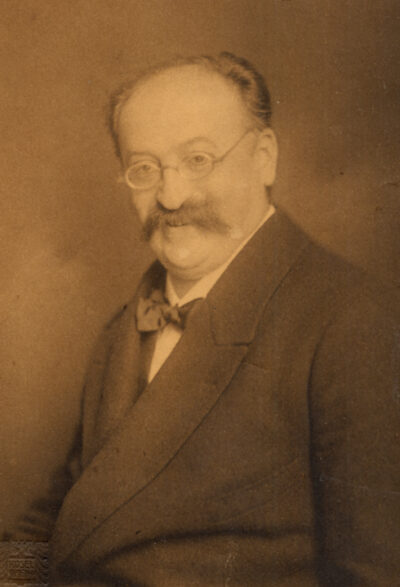
Schenkerian analysis
Schenkerian analysis is a method of musical analysis of tonal music based on the theories of Heinrich Schenker.
All 1 facts, and where they come from
Facts
1 facts · 0 confirmed by two sources · 0 cited · 1 from one source
Where this comes from
Papalocal keeps its own record. It started from these sources; what each one said is kept here as it was copied, so a change on their side never changes this page by itself. Tap one to read its version.
What Wikidata says · copied November 18, 2026 · revision 2550242115
- Described as
- method of musical analysis of tonal music based on the theories of Heinrich Schenker
- Field
- theory
- Wikipedias with a page
- 9
Wikidata item Q1460859 (wikidata.org/wiki/Q1460859), public domain (CC0). Copied 2026-11-18.
What Wikipedia says · copied November 18, 2026 · revision 1374100223
Schenkerian analysis is a method of analyzing tonal music based on the theories of Heinrich Schenker (1868–1935). The goal is to demonstrate the organic coherence of the work by showing how the "foreground" (all notes in the score) relates to an abstracted deep structure, the Ursatz. This primal structure is roughly the same for any tonal work, but a Schenkerian analysis shows how, in each individual case, that structure develops into a unique work at the foreground. A key theoretical concept is "tonal space". The intervals between the notes of the tonic triad in the background form a tonal space that is filled with passing and neighbour tones, producing new triads and new tonal spaces that are open for further elaborations until the "surface" of the work (the score) is reached.
The analysis uses a specialized symbolic form of musical notation. Although Schenker himself usually presents his analyses in the generative direction, starting from the Ursatz to reach the score and showing how the work is somehow generated from the Ursatz, the practice of Schenkerian analysis more often is reductive, starting from the score and showing how it can be reduced to its fundamental structure. The graph of the Ursatz is arrhythmic, as is a strict-counterpoint cantus firmus exercise. Even at intermediate levels of reduction, rhythmic signs (open and closed noteheads, beams and flags) display not rhythm but the hierarchical relationships between the pitch-events.
Schenkerian analysis is an abstract, complex, and difficult method, not always clearly expressed by Schenker himself and not always clearly understood. It mainly aims to reveal the internal coherence of the work – a coherence that ultimately resides in its being tonal. In some respects, a Schenkerian analysis can reflect the perceptions and intuitions of the analyst.
From the Wikipedia article “Schenkerian analysis” (en.wikipedia.org/wiki/Schenkerian_analysis), by its contributors, under CC BY-SA 4.0 (creativecommons.org/licenses/by-sa/4.0/). Copied 2026-11-18; not changed.
Confirmed Two sources agree. Cited One source, and it names where it got it. One source One source, without a reference of its own. Sources disagree The sources disagree. We show the best-supported value and keep theirs below.
Picture: Wikimedia Commons: I IV V I.png · See Commons file page