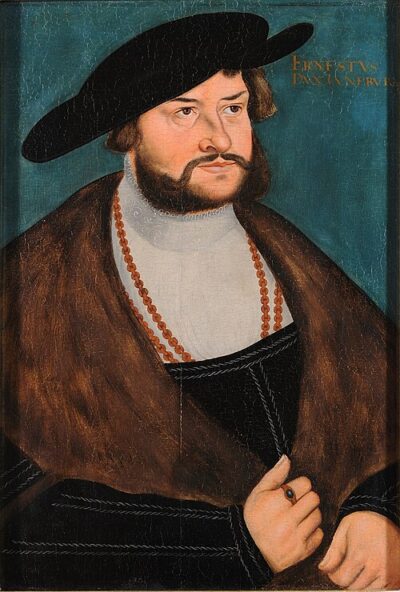
Schmalkaldic League
Schmalkaldic League is a politic and religious league. It was founded in 1531.
- Founded
- February 27, 1531
- Country
- Holy Roman Empire
All 4 facts, and where they come from
Facts
4 facts · 0 confirmed by two sources · 0 cited · 4 from one source
Where this comes from
Papalocal keeps its own record. It started from these sources; what each one said is kept here as it was copied, so a change on their side never changes this page by itself. Tap one to read its version.
What Wikidata says · copied November 19, 2026 · revision 2550787154
- Described as
- politic and religious league
- What it is
- military alliance
- Founded
- February 27, 1531
- Country
- Holy Roman Empire
- Named after
- Schmalkalden
- Wikipedias with a page
- 42
Wikidata item Q155024 (wikidata.org/wiki/Q155024), public domain (CC0). Copied 2026-11-19.
What Wikipedia says · copied November 19, 2026 · revision 1383423338
The Schmalkaldic League (English: ; German: Schmalkaldischer Bund; Medieval Latin: Foedus Smalcaldicum or Liga Smalcaldica) was a military alliance of Lutheran principalities and cities within the Holy Roman Empire during the mid-16th century. It received its name from the town of Schmalkalden, where the group was founded in 1531.
Although created for religious motives soon after the start of the Reformation, its members later came to have the intention that the League would replace the Holy Roman Empire as their focus of political allegiance.
While it was not the first alliance of its kind, unlike previous formations, such as the League of Torgau, the Schmalkaldic League had a substantial military to defend its political and religious interests.
From the Wikipedia article “Schmalkaldic League” (en.wikipedia.org/wiki/Schmalkaldic_League), by its contributors, under CC BY-SA 4.0 (creativecommons.org/licenses/by-sa/4.0/). Copied 2026-11-19; not changed.
Confirmed Two sources agree. Cited One source, and it names where it got it. One source One source, without a reference of its own. Sources disagree The sources disagree. We show the best-supported value and keep theirs below.