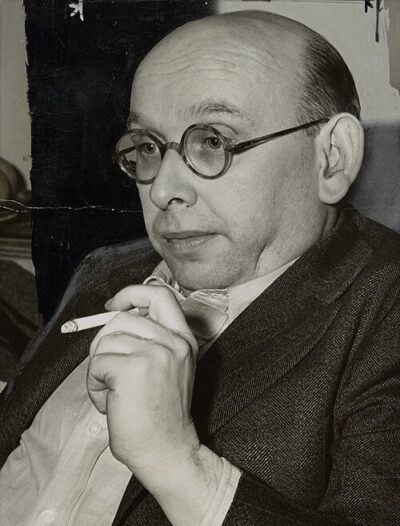
Second Viennese School
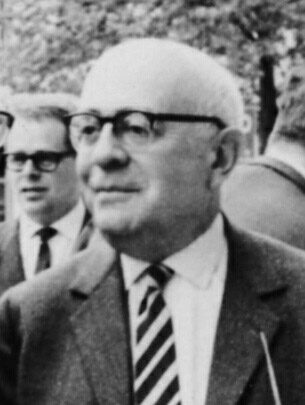
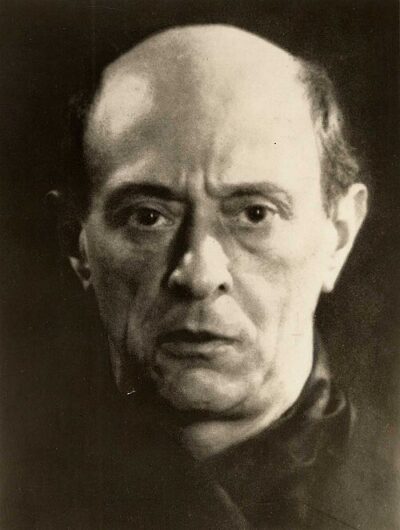
Second Viennese School is a group of composers comprising A. Schönberg and his pupils and associates in early 20th century Vienna, initially characterized by late-Romantic expanded tonality, later by a totally chromatic atonal expressionism, and still later by 12-tone serialism.
All 2 facts, and where they come from
Facts
2 facts · 0 confirmed by two sources · 0 cited · 2 from one source
Where this comes from
Papalocal keeps its own record. It started from these sources; what each one said is kept here as it was copied, so a change on their side never changes this page by itself. Tap one to read its version.
What Wikidata says · copied November 16, 2026 · revision 2523892904
- Described as
- group of composers comprising A. Schönberg and his pupils and associates in early 20th century Vienna, initially characterized by late-Romantic expanded tonality, later by a totally chromatic atonal expressionism, and still later by 12-tone serialism
- Other names
- New Viennese School
- What it is
- composition school; musical movement
- Wikipedias with a page
- 35
Wikidata item Q248243 (wikidata.org/wiki/Q248243), public domain (CC0). Copied 2026-11-16.
What Wikipedia says · copied November 16, 2026 · revision 1377338807
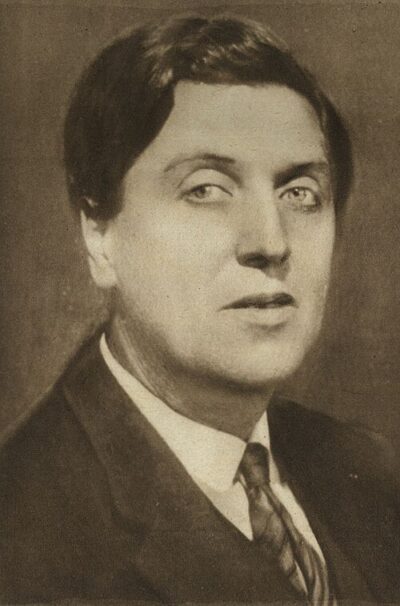
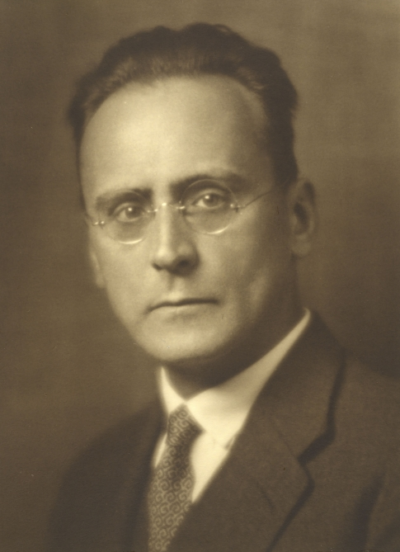
The Second Viennese School (German: Zweite Wiener Schule, Neue Wiener Schule) was a group of composers that comprised Arnold Schoenberg and his pupils, particularly Alban Berg and Anton Webern, and close associates in early 20th-century Vienna. Their music was initially characterized by late-Romantic expanded tonality and later, a totally chromatic expressionism without a firm tonal centre, often referred to as atonality; and later still, Schoenberg's serial twelve-tone technique. Using this technique when composing, Schoenberg employed all 12 tones present in Western music's chromatic scale when forming a melody, this melody being the "prime series". This method would later be enhanced in compositions by Schoenberg and his followers through permutations such as "retrogrades", "inversions", "transformations" etc.
Later, composers such as Pierre Boulez drew influence from Schoenberg's technique in furthering serialization; serializing not only pitch but rhythm, articulation, and dynamics as well. Theodor Adorno said that the twelve-tone method, when it had evolved into maturity, was a "veritable message in a bottle", addressed to an unknown and uncertain future. Though this common development took place, it neither followed a common time-line nor a cooperative path. Likewise, it was not a direct result of Schoenberg's teaching—which, as his various published textbooks demonstrate, was highly traditional and conservative. Schoenberg's textbooks also reveal that the Second Viennese School spawned not from the development of his serial method, but rather from the influence of his creative example.
From the Wikipedia article “Second Viennese School” (en.wikipedia.org/wiki/Second_Viennese_School), by its contributors, under CC BY-SA 4.0 (creativecommons.org/licenses/by-sa/4.0/). Copied 2026-11-16; not changed.
Confirmed Two sources agree. Cited One source, and it names where it got it. One source One source, without a reference of its own. Sources disagree The sources disagree. We show the best-supported value and keep theirs below.
Picture: Wikimedia Commons: Wienerschule.jpg · See Commons file page