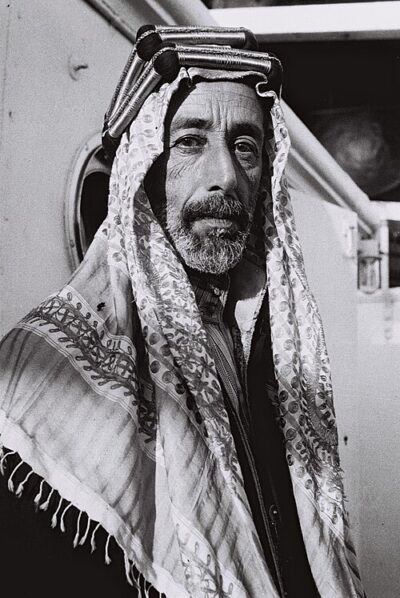
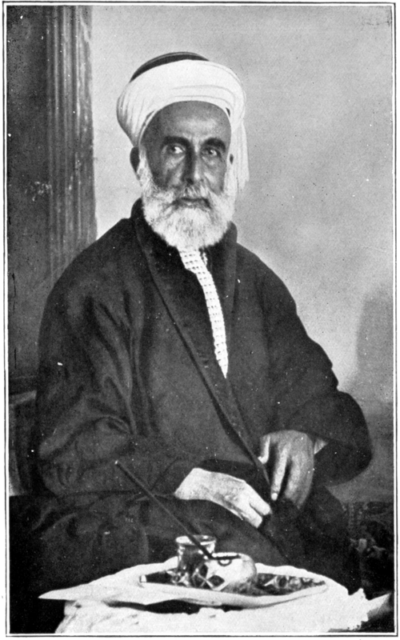
Sharif of Mecca
Sharif of Mecca is a title of the leader of the Sharifate of Makkah.
All 3 facts, and where they come from
Facts
3 facts · 0 confirmed by two sources · 0 cited · 3 from one source
Where this comes from
Papalocal keeps its own record. It started from these sources; what each one said is kept here as it was copied, so a change on their side never changes this page by itself. Tap one to read its version.
What Wikidata says · copied November 17, 2026 · revision 2568077763
- Described as
- title of the leader of the Sharifate of Makkah
- What it is
- position; historical religious function; Sharif
- Wikipedias with a page
- 21
Wikidata item Q15109402 (wikidata.org/wiki/Q15109402), public domain (CC0). Copied 2026-11-17.
What Wikipedia says · copied November 17, 2026 · revision 1383874920
The Sharif of Mecca (Arabic: شريف مكة, romanised: Sharīf Makkah) was the title of the leader of the Sharifate of Mecca, traditional steward of the Islamic holy cities of Mecca and Medina. The term sharif is Arabic for "noble", "highborn", and is used to describe the descendants of Hashim ibn Abd Manaf.
The Sharif was charged with protecting the cities and their environs and ensuring the safety of pilgrims performing the Hajj. The title is sometimes spelled Sheriff or Sherif, with the latter variant used, for example, by T. E. Lawrence in Seven Pillars of Wisdom.
The office of the Sharif of Mecca dates back to the late Abbasid era. Until 1200, the Sharifate was held by a member of the Hashim clan, not to be confused with the larger clan of Banu Hashim from which all Sharifs claim descent. Descendants of the Banu Hashim continued to hold the position until the 20th century on behalf of various Muslim powers including the Ayyubids and the Mamluks. In 1517, the Sharif acknowledged the supremacy of the Ottoman Caliph, but maintained a great degree of local autonomy. During the Ottoman era, the Sharifate expanded its authority northwards to include Medina, hitherto a sharifate of its own, and southwards to the frontiers of 'Asir, and regularly raided Nejd.
The Sharifate came to an end shortly after the reign of Hussein bin Ali, who ruled from 1908, who rebelled against the Ottoman rule during the Arab Revolt of 1916. After the defeat of the Ottoman Empire in 1918 and its subsequent dissolution in 1922, Hussein formed the independent Kingdom of Hejaz and then declared himself Caliph. The British granted control over the newly formed states of Iraq and Transjordan to his sons Faisal and Abdullah. In 1924, however, in the face of increasing attacks by Ibn Saud, Hussein abdicated his political titles to his eldest son, Ali bin Hussein, who was to become the last Grand Sharif. At the end of 1925, Ibn Saud conquered the Hejaz and expelled the Hashemites. The House of Saud has ruled Mecca and Medina and overseen the Hajj (annual pilgrimage to Mecca) since that time.
From the Wikipedia article “Sharif of Mecca” (en.wikipedia.org/wiki/Sharif_of_Mecca), by its contributors, under CC BY-SA 4.0 (creativecommons.org/licenses/by-sa/4.0/). Copied 2026-11-17; not changed.
Confirmed Two sources agree. Cited One source, and it names where it got it. One source One source, without a reference of its own. Sources disagree The sources disagree. We show the best-supported value and keep theirs below.