Sierpiński triangle
Sierpiński triangle is a fractal composed of triangles.
All 4 facts, and where they come from
Facts
4 facts · 0 confirmed by two sources · 0 cited · 4 from one source
Where this comes from
Papalocal keeps its own record. It started from these sources; what each one said is kept here as it was copied, so a change on their side never changes this page by itself. Tap one to read its version.
What Wikidata says · copied November 17, 2026 · revision 2561475266
- Described as
- fractal composed of triangles
- Other names
- Sierpinski gasket, Sierpinski sieve, Sierpinski triangle
- What it is
- fractal; Iterated function system; shape
- Named after
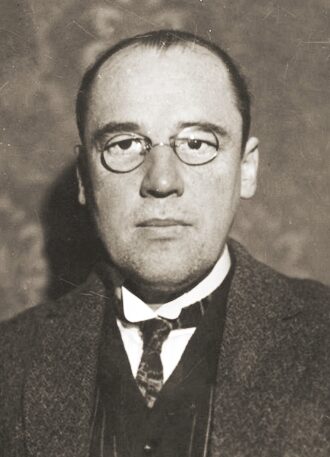
- Wacław Sierpiński
- Wikipedias with a page
- 38
Wikidata item Q663365 (wikidata.org/wiki/Q663365), public domain (CC0). Copied 2026-11-17.
What Wikipedia says · copied November 17, 2026 · revision 1385096004
The Sierpiński triangle, also called the Sierpiński gasket or Sierpiński sieve, is a fractal with the overall shape of an equilateral triangle, subdivided recursively into smaller equilateral triangles. Originally constructed as a Sierpiński curve, this is one of the basic examples of self-similar sets—that is, it is a mathematically generated pattern reproducible at any magnification or reduction. It is named after the Polish mathematician Wacław Sierpiński but appeared as a decorative pattern many centuries before the work of Sierpiński.
From the Wikipedia article “Sierpiński triangle” (en.wikipedia.org/wiki/Sierpiński_triangle), by its contributors, under CC BY-SA 4.0 (creativecommons.org/licenses/by-sa/4.0/). Copied 2026-11-17; not changed.
Confirmed Two sources agree. Cited One source, and it names where it got it. One source One source, without a reference of its own. Sources disagree The sources disagree. We show the best-supported value and keep theirs below.
Picture: Wikimedia Commons: Big Sierpinski triangle.svg · See Commons file page