Social Democratic Party of Russia
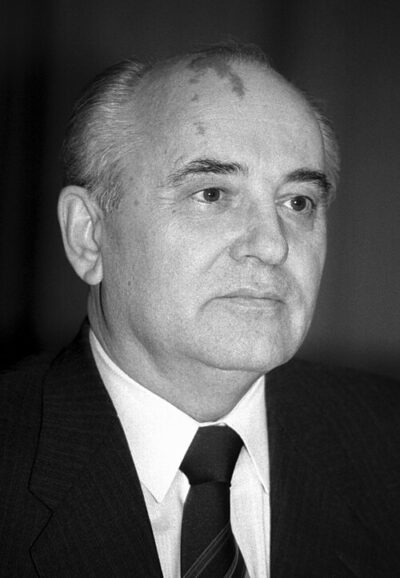
Social Democratic Party of Russia is a political party in Russia. It was founded in 2001 by Mikhail Gorbachev and Konstantin Titov. Its headquarters are in Moscow. It stands for social democracy, social liberalism and pro-Europeanism.
- Country
- Russia
- Founded
- November 26, 2001
- Ideology
- social democracy
All 13 facts, and where they come from
Facts
13 facts · 0 confirmed by two sources · 0 cited · 13 from one source
Where this comes from
Papalocal keeps its own record. It started from these sources; what each one said is kept here as it was copied, so a change on their side never changes this page by itself. Tap one to read its version.
What Wikidata says · copied November 17, 2026 · revision 2494109341
- Described as
- political party in Russia
- What it is
- political party
- Followed by
- Union of Social Democrats
- Founded
- November 26, 2001
- Ended
- July 12, 2007
- Founded by
- Mikhail Gorbachev; Konstantin Titov
- Headquarters
- Moscow
- Country
- Russia · 1 reference
- Ideology
- social democracy; social liberalism · 1 reference; pro-Europeanism · 1 reference; progressivism · 1 reference
- Official website
- http://www.sdorg.ru/
- Wikipedias with a page
- 12
Wikidata item Q2372144 (wikidata.org/wiki/Q2372144), public domain (CC0). Copied 2026-11-17.
What Wikipedia says · copied November 17, 2026 · revision 1370030623
The Social Democratic Party of Russia (SDPR; Russian: Социал-демократическая партия России; СДПР; Sotsial-demokraticheskaya partiya Rossii, SDPR) was a political party founded in Russia by Mikhail Gorbachev on November 26, 2001. The first name of the party was Social Democratic Party of Russia (United).
From the Wikipedia article “Social Democratic Party of Russia (2001)” (en.wikipedia.org/wiki/Social_Democratic_Party_of_Russia_(2001)), by its contributors, under CC BY-SA 4.0 (creativecommons.org/licenses/by-sa/4.0/). Copied 2026-11-17; not changed.
Confirmed Two sources agree. Cited One source, and it names where it got it. One source One source, without a reference of its own. Sources disagree The sources disagree. We show the best-supported value and keep theirs below.