Songs of Jamaica
Songs of Jamaica is the first book published in Jamaican Patois (1912).
- Published
- 1912
All 3 facts, and where they come from
Facts
3 facts · 0 confirmed by two sources · 0 cited · 3 from one source
Where this comes from
Papalocal keeps its own record. It started from these sources; what each one said is kept here as it was copied, so a change on their side never changes this page by itself. Tap one to read its version.
What Wikidata says · copied November 18, 2026 · revision 2360773924
- Described as
- first book published in Jamaican Patois (1912)
- What it is
- literary work
- Published
- 1912
- Language
- Jamaican Patois
- Wikipedias with a page
- 2
Wikidata item Q30918722 (wikidata.org/wiki/Q30918722), public domain (CC0). Copied 2026-11-18.
What Wikipedia says · copied November 18, 2026 · revision 1339560590
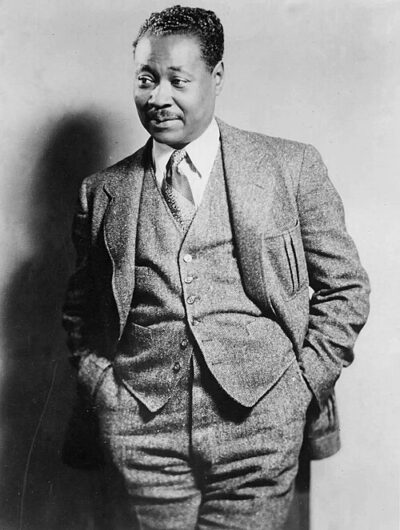
Songs of Jamaica is the first book published by the African-Jamaican writer Claude McKay, which appeared in January 1912. The Institute of Jamaica awarded McKay the Silver Musgrave Medal for this book and a second volume, Constab Blues, also published in 1912. He used the associated stipend to fund a trip to the United States of America.
The book was dedicated to Sir Sydney Olivier, who was at that time Governor of Jamaica, expressing admiration for Olivier's "sympathy for the black race". The collection was the first book-length publication of poetry in Patois by an African-Caribbean writer, and contained footnotes and an introduction by Walter Jekyll to aid readers unfamiliar with the dialect. In 1906 Jekyll had published Jamaican Song and Story: Annancy Stories, Digging Sings, Ring Tunes, and Dancing Tunes which celebrated the presence of African cultural elements in Jamaican vernacular culture.
From the Wikipedia article “Songs of Jamaica” (en.wikipedia.org/wiki/Songs_of_Jamaica), by its contributors, under CC BY-SA 4.0 (creativecommons.org/licenses/by-sa/4.0/). Copied 2026-11-18; not changed.
Confirmed Two sources agree. Cited One source, and it names where it got it. One source One source, without a reference of its own. Sources disagree The sources disagree. We show the best-supported value and keep theirs below.