Southern Mail
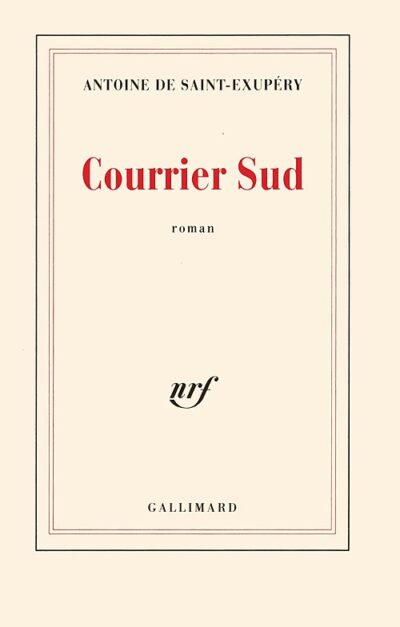
Southern Mail is a novel by Antoine de Saint-Exupéry. It came out in 1929.
- Published
- 1929
- Written by
- Antoine de Saint-Exupéry
- Country of origin
- France
All 6 facts, and where they come from
Facts
6 facts · 0 confirmed by two sources · 0 cited · 6 from one source
Where this comes from
Papalocal keeps its own record. It started from these sources; what each one said is kept here as it was copied, so a change on their side never changes this page by itself. Tap one to read its version.
What Wikidata says · copied November 17, 2026 · revision 2489277870
- Described as
- novel by Antoine de Saint-Exupéry
- Other names
- Courrier sud
- What it is
- literary work
- Written by
- Antoine de Saint-Exupéry
- Publisher
- Éditions Gallimard
- Published
- 1929
- Language
- French
- Country of origin
- France
- Wikipedias with a page
- 10
Wikidata item Q1115707 (wikidata.org/wiki/Q1115707), public domain (CC0). Copied 2026-11-17.
What Wikipedia says · copied November 17, 2026 · revision 1384387939
Courrier sud, translated as Southern Mail and Southern Carrier, is the first novel by Antoine de Saint-Exupéry, published in 1929. Encouraged by the publication of his short story The Aviator, Saint-Exupéry followed up with this work based on his pioneering flights for the French airmail service.
A structured novel, it has three sections, the shorter outer sections being set in the heat and daylight of the Sahara Desert, the long central section in France at night and in pelting rain. The story thread consists of an investigation into the disappearance of an aviator in the Sahara.
The novel was published in an English translation by Stuart Gilbert in 1933. It was adapted into the 1937 French film Courrier sud directed by Pierre Billon.
From the Wikipedia article “Courrier sud (novel)” (en.wikipedia.org/wiki/Courrier_sud_(novel)), by its contributors, under CC BY-SA 4.0 (creativecommons.org/licenses/by-sa/4.0/). Copied 2026-11-17; not changed.
Confirmed Two sources agree. Cited One source, and it names where it got it. One source One source, without a reference of its own. Sources disagree The sources disagree. We show the best-supported value and keep theirs below.
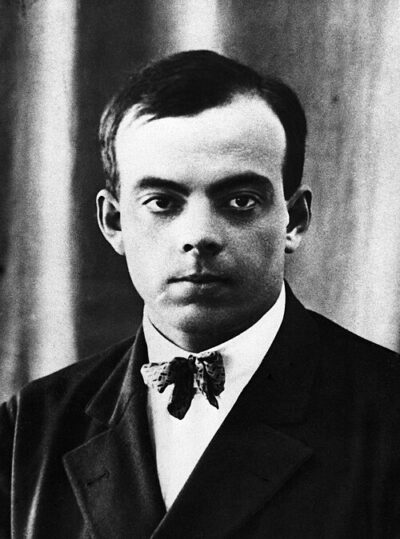
Picture: ElWaliElAlaoui, via Wikimedia Commons · CC BY-SA 4.0