Supremus
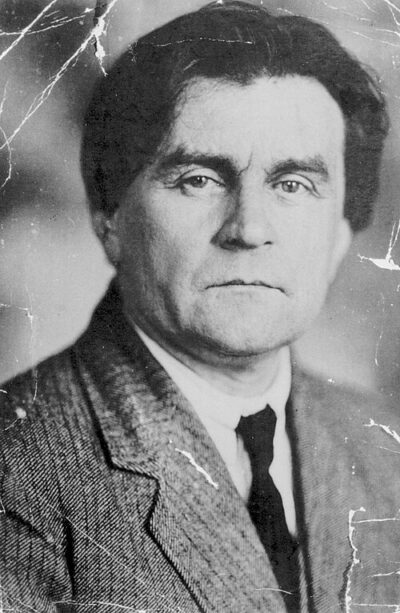
Supremus is a Russian art group. It was founded in 1915 by Kazimir Malevich.
- Founded
- 1915
- Founded by
- Kazimir Malevich
All 3 facts, and where they come from
Facts
3 facts · 0 confirmed by two sources · 0 cited · 3 from one source
Where this comes from
Papalocal keeps its own record. It started from these sources; what each one said is kept here as it was copied, so a change on their side never changes this page by itself. Tap one to read its version.
What Wikidata says · copied November 16, 2026 · revision 2383860863
- Described as
- Russian art group
- What it is
- art group
- Founded
- 1915
- Founded by
- Kazimir Malevich
- Wikipedias with a page
- 8
Wikidata item Q3433665 (wikidata.org/wiki/Q3433665), public domain (CC0). Copied 2026-11-16.
What Wikipedia says · copied November 16, 2026 · revision 1269613444
Supremus (Russian: Супремус; 1915–1916) was a group of Russian avant-garde artists led by the "father" of Suprematism, Kazimir Malevich. It has been described as the first attempt to found the Russian avant-garde movement as an artistic entity within its own historical development.
Supremus conceptualized the artist as one who has freed himself from everything that pre-decided the ideal structure of life and art. Malevich projected the Supremus vision onto Cubism, which he believed deconstructs things and completely changes the reference points of art. To support the movement, Malevich established the journal Supremus (initially titled Nul or Nothing), which received contributions from artists and philosophers. The publication, however, never took off and its first issue was never distributed due to the Russian Revolution.
Members of the group included Aleksandra Ekster, Liubov Popova, Olga Rozanova, Ivan Kliun, Ivan Puni, Nadezhda Udaltsova, Nina Genke-Meller, Ksenia Boguslavskaya and others.
From the Wikipedia article “Supremus” (en.wikipedia.org/wiki/Supremus), by its contributors, under CC BY-SA 4.0 (creativecommons.org/licenses/by-sa/4.0/). Copied 2026-11-16; not changed.
Confirmed Two sources agree. Cited One source, and it names where it got it. One source One source, without a reference of its own. Sources disagree The sources disagree. We show the best-supported value and keep theirs below.