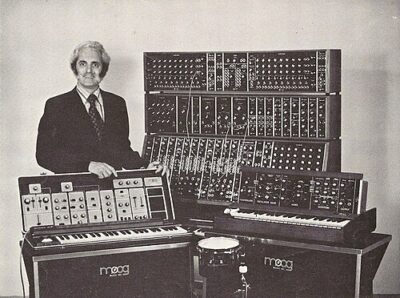
synthesizer
Synthesizer is an electronic musical instrument capable of producing a wide range of sounds.
All 1 facts, and where they come from
Facts
1 facts · 0 confirmed by two sources · 0 cited · 1 from one source
Where this comes from
Papalocal keeps its own record. It started from these sources; what each one said is kept here as it was copied, so a change on their side never changes this page by itself. Tap one to read its version.
What Wikidata says · copied November 16, 2026 · revision 2567534655
- Described as
- electronic musical instrument capable of producing a wide range of sounds
- Other names
- sound synthesizer, synth, musical synthesizer, synthesiser, sound synthesiser
- What it is
- type of musical instrument
- Wikipedias with a page
- 78
Wikidata item Q163829 (wikidata.org/wiki/Q163829), public domain (CC0). Copied 2026-11-16.
What Wikipedia says · copied November 16, 2026 · revision 1385685265
A synthesizer (also synthesiser or synth) is an electronic musical instrument that generates audio signals. Synthesizers typically create sounds by generating waveforms through methods including subtractive synthesis, additive synthesis, and frequency modulation synthesis. These sounds may be altered by components such as filters, which cut or boost frequencies; envelopes, which control articulation, or how notes begin and end; and low-frequency oscillators, which modulate parameters such as pitch, volume, or filter characteristics affecting timbre. Synthesizers are typically played with keyboards or controlled by sequencers, software or other instruments, and can be synchronized to other equipment via MIDI.
Synthesizer-like instruments emerged in the United States in the mid-20th century with instruments such as the RCA Mark II, which was controlled with punch cards and used hundreds of vacuum tubes. The Moog synthesizer, developed by Robert Moog and first sold in 1964, is credited for pioneering concepts such as voltage-controlled oscillators, envelopes, noise generators, filters, and sequencers. In 1970, the smaller, cheaper Minimoog standardized synthesizers as self-contained instruments with built-in keyboards, unlike the larger modular synthesizers before it.
In 1978, Sequential Circuits released the Prophet-5, which used microprocessors to allow users to store sounds for the first time. MIDI, a standardized means of synchronizing electronic instruments, was introduced in 1982 and remains an industry standard. The Yamaha DX7, released in 1983, was a major success and the first popular digital synthesizer. The Korg M1 synthesizer and workstation, released in 1988, allowed musicians to produce entire tracks without a studio and was the best-selling synthesizer in history as of 2002. Software synthesizers now can be run as plug-ins or embedded on microchips. In the 21st century, analog synthesizers returned to popularity with the advent of cheaper manufacturing.
Synthesizers were initially viewed as avant-garde, valued by the 1960s psychedelic and countercultural scenes but with little perceived commercial potential. Switched-On Bach (1968), a bestselling album of Bach compositions arranged for synthesizer by Wendy Carlos, took synthesizers to the mainstream. They were adopted by electronic acts and pop and rock groups in the 1960s and 1970s and were widely used in 1980s music. Sampling, introduced with the Fairlight synthesizer in 1979, influenced genres such as electronic and hip hop music. The synthesizer is used in nearly every genre and is considered among the most important instruments in the music industry.
From the Wikipedia article “Synthesizer” (en.wikipedia.org/wiki/Synthesizer), by its contributors, under CC BY-SA 4.0 (creativecommons.org/licenses/by-sa/4.0/). Copied 2026-11-16; not changed.
Confirmed Two sources agree. Cited One source, and it names where it got it. One source One source, without a reference of its own. Sources disagree The sources disagree. We show the best-supported value and keep theirs below.
Picture: Wikimedia Commons: Micromoog.jpg · See Commons file page
People connected 64
Instrument 63
 Lady GagaAmerican singer-songwriter and actress (born 1986)
 Miles DavisAmerican jazz trumpeter, bandleader, and composer (1926–1991)
 Dr. DreAmerican record producer and rapper (born 1965)
 "Weird Al" YankovicAmerican comedy musician (born 1959)
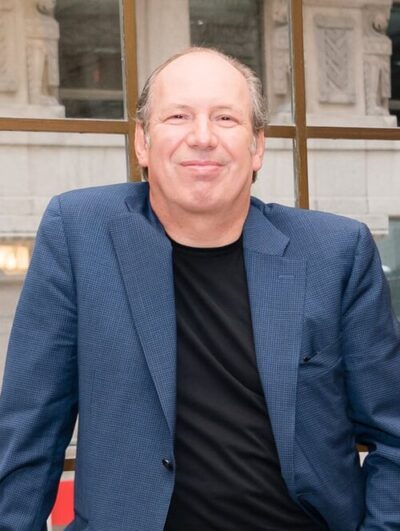 Hans ZimmerGerman film composer (born 1957)
 KeshaAmerican singer and songwriter (born 1987)
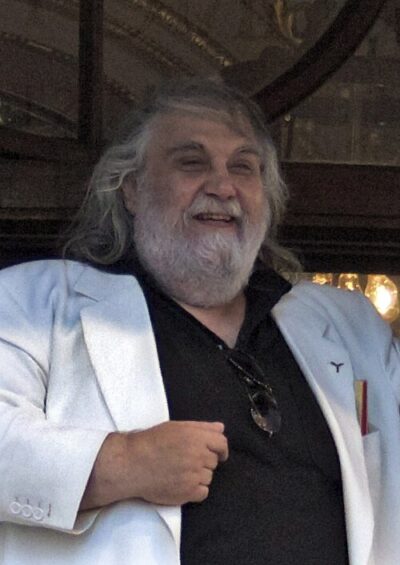 VangelisGreek composer (1943-2022)
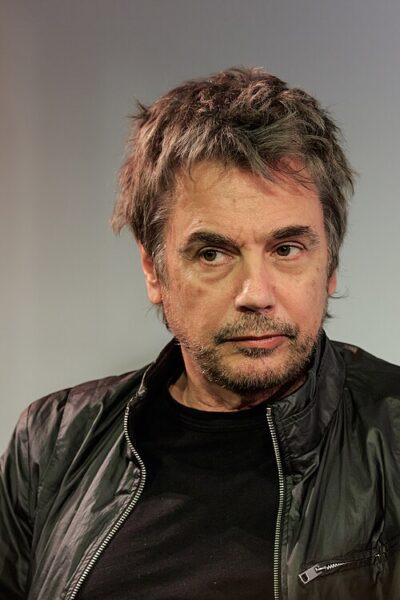 Jean-Michel JarreFrench composer, performer and record producer (born 1948)
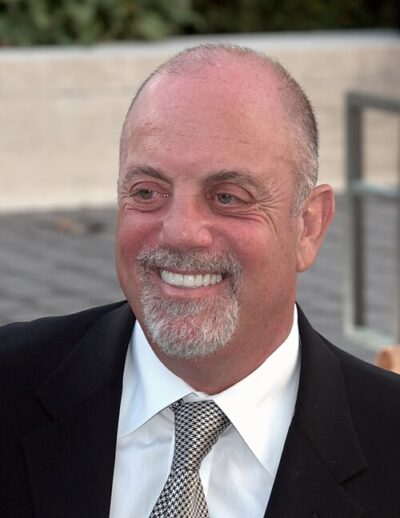 Billy JoelAmerican singer, songwriter, and pianist (born 1949)
 Mike ShinodaAmerican musician, rapper, singer and songwriter
 Tori AmosAmerican singer-songwriter (born 1963)
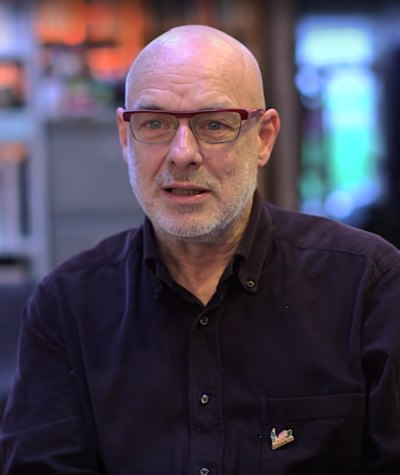 Brian EnoBritish musician, music producer, music theorist and visual artist (born 1948)
 Giya KancheliSoviet and Georgian composer (1935-2019)
 Varg VikernesNorwegian black metal musician
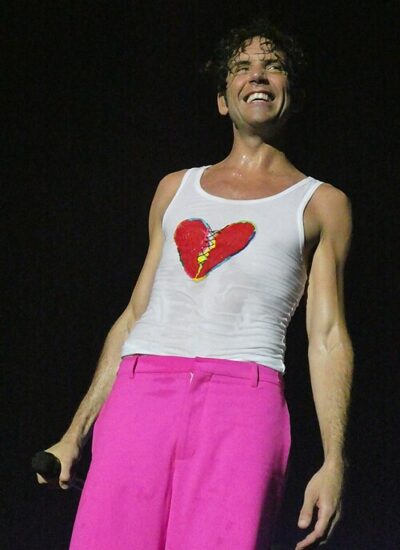 MikaBritish-Lebanese musician
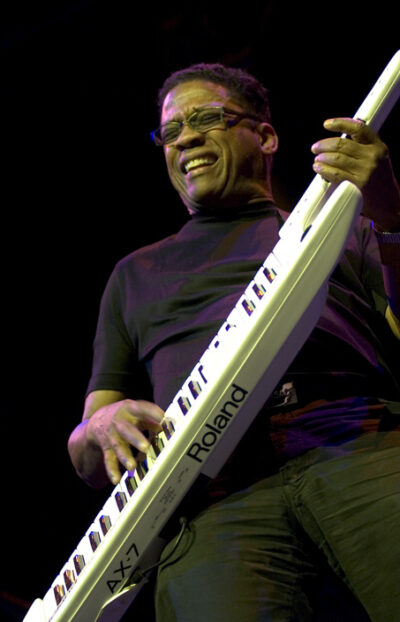 Herbie HancockAmerican jazz pianist and composer (born 1940)
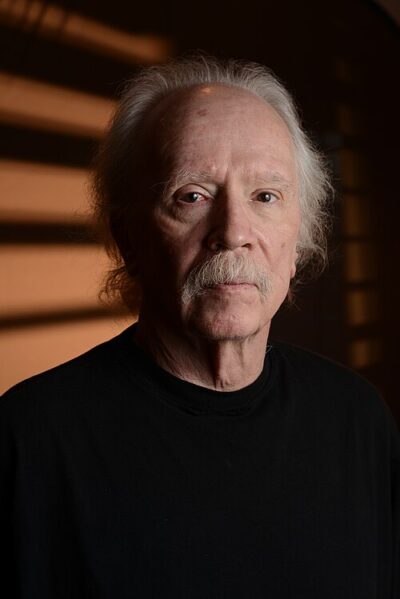 John CarpenterAmerican filmmaker, composer and actor (born 1948)
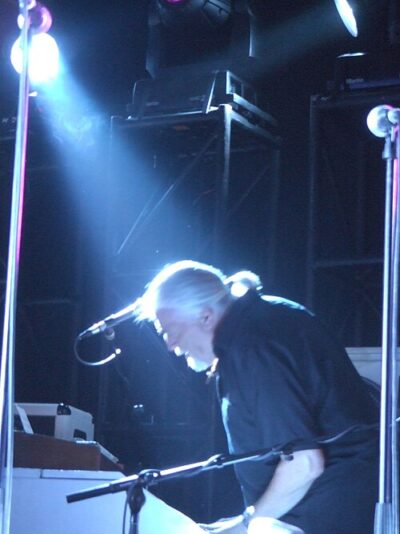 Jon LordEnglish composer, pianist, and Hammond organ player (1941–2012)
 Travis ScottAmerican rapper, singer and record producer
 Armin van BuurenDutch DJ and record producer (born 1976)
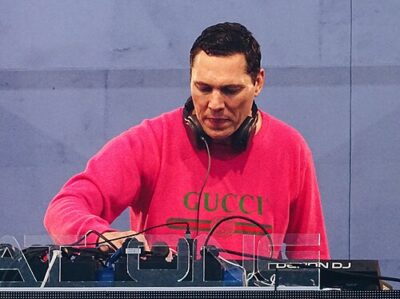 TiëstoDutch DJ and music producer
 Richard WrightEnglish keyboardist, co-founder of Pink Floyd (1943–2008)
 Aphex TwinBritish electronic musician (born 1971)
 Bridgit MendlerAmerican actress and singer (born 1992)
and 39 more