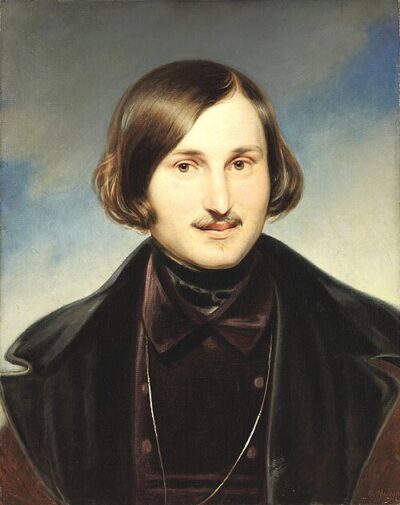
Taras Bulba
Taras Bulba is a novella by the Russian author Nikolai Gogol. It came out in 1835.
- Published
- 1835
- Written by
- Nikolai Gogol
- Genre
- historical fiction
- Country of origin
- Russian Empire
All 7 facts, and where they come from
Facts
7 facts · 0 confirmed by two sources · 0 cited · 7 from one source
Where this comes from
Papalocal keeps its own record. It started from these sources; what each one said is kept here as it was copied, so a change on their side never changes this page by itself. Tap one to read its version.
What Wikidata says · copied November 17, 2026 · revision 2555877475
- Described as
- novella by the Russian author Nikolai Gogol
- What it is
- literary work
- Written by
- Nikolai Gogol · 1 reference
- Genre
- historical fiction; romantic fiction
- Published
- 1835
- Language
- Russian · 1 reference
- Country of origin
- Russian Empire · 1 reference
- Wikipedias with a page
- 43
Wikidata item Q1250822 (wikidata.org/wiki/Q1250822), public domain (CC0). Copied 2026-11-17.
What Wikipedia says · copied November 17, 2026 · revision 1386042952
Taras Bulba (Russian: «Тарас Бульба», romanized: Tarás Búl'ba) is a romanticized historical novella set in the first half of the 17th century, written by Nikolai Gogol (1809–1852). It features the elderly Zaporozhian Cossack Taras Bulba and his sons Andriy and Ostap. The sons study at the Kyiv Academy and then return home, whereupon the three men set out on a journey to the Zaporizhian Sich (the Zaporizhian Cossack headquarters, located in southern Ukraine) where they join other Cossacks and go to war against Poland.
The story was initially published in 1835 as part of the Mirgorod collection of short stories, but a much expanded version appeared in 1842 with some differences in the storyline. The twentieth-century critic Victor Erlich described the 1842 text as a "paragon of civic virtue and a force of patriotic edification", contrasting it with the rhetoric of the 1835 version with its "distinctly Cossack jingoism".
From the Wikipedia article “Taras Bulba” (en.wikipedia.org/wiki/Taras_Bulba), by its contributors, under CC BY-SA 4.0 (creativecommons.org/licenses/by-sa/4.0/). Copied 2026-11-17; not changed.
Confirmed Two sources agree. Cited One source, and it names where it got it. One source One source, without a reference of its own. Sources disagree The sources disagree. We show the best-supported value and keep theirs below.
Picture: Wikimedia Commons: Taras bulba.jpg · See Commons file page