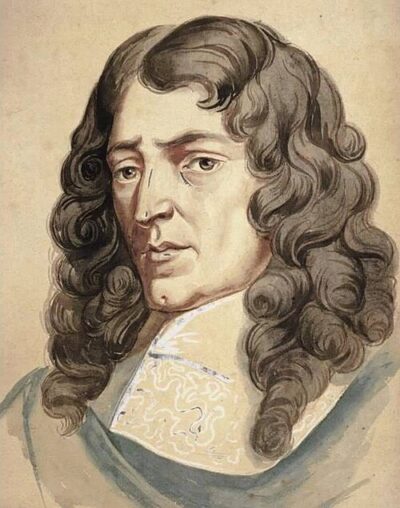
Te Deum
Te Deum is a 1680s–90s composition by Marc-Antoine Charpentier. It came out in 1957.
- Released
- 1957
- Came out
- 1695 (1690–1695)
All 5 facts, and where they come from
Facts
5 facts · 0 confirmed by two sources · 4 cited · 1 from one source
Where this comes from
Papalocal keeps its own record. It started from these sources; what each one said is kept here as it was copied, so a change on their side never changes this page by itself. Tap one to read its version.
What Wikidata says · copied November 17, 2026 · revision 2489547700
- Described as
- 1680s–90s composition by Marc-Antoine Charpentier
- Other names
- Te Deum in D Major H. 146, H. 146
- What it is
- hymn tune · 1 reference; musical work/composition · 1 reference
- Music by
- Marc-Antoine Charpentier · 1 reference
- Released
- 1957 · 1 reference
- Came out
- 1695 (1690–1695) · 1 reference
- Wikipedias with a page
- 17
Wikidata item Q11704258 (wikidata.org/wiki/Q11704258), public domain (CC0). Copied 2026-11-17.
What Wikipedia says · copied November 17, 2026 · revision 1374266990
Marc-Antoine Charpentier composed six Te Deum settings, but only four of them have survived (H.145, H.146, H.147, H.148).
Largely because of the great popularity of its prelude, the best known is the Te Deum in D major, H.146, written as a grand motet for soloists, choir, and instrumental accompaniment probably between 1688 and 1698, during Charpentier's stay at the Jesuit Church of Saint-Louis in Paris, where he held the position of musical director.
It is thought that the composition was performed to mark the victory celebrations and the Battle of Steinkirk in August, 1692.
The piece is best known for having its prelude serve as the theme music preceding the Eurovision network broadcasts, including most notably the Eurovision Song Contest.
From the Wikipedia article “Te Deum (Charpentier)” (en.wikipedia.org/wiki/Te_Deum_(Charpentier)), by its contributors, under CC BY-SA 4.0 (creativecommons.org/licenses/by-sa/4.0/). Copied 2026-11-17; not changed.
Confirmed Two sources agree. Cited One source, and it names where it got it. One source One source, without a reference of its own. Sources disagree The sources disagree. We show the best-supported value and keep theirs below.