
TEFI
TEFI is an annual television award in Russia. It was created in 1994. It is given by the Academy of Russian Television.
- Given by
- Academy of Russian Television
- Country
- Russia
- Created
- 1994
All 6 facts, and where they come from
Facts
6 facts · 0 confirmed by two sources · 0 cited · 6 from one source
Where this comes from
Papalocal keeps its own record. It started from these sources; what each one said is kept here as it was copied, so a change on their side never changes this page by itself. Tap one to read its version.
What Wikidata says · copied November 17, 2026 · revision 2569289363
- Described as
- annual television award in Russia
- Other names
- Russian National Television Award
- What it is
- award
- Created
- 1994
- Country
- Russia
- Given by
- Academy of Russian Television
- Named after
- television in Russia
- Official website
- http://www.tefi.ru
- Wikipedias with a page
- 9
Wikidata item Q1961504 (wikidata.org/wiki/Q1961504), public domain (CC0). Copied 2026-11-17.
What Wikipedia says · copied November 17, 2026 · revision 1386198443
TEFI (Russian: ТЭФИ) is an annual award given in the Russian television industry, presented by the Russian Academy of Television. It has been awarded since 1994. TEFI is presented in various sectors (up to 50 nominations in 2008), such as television shows, notable people in the television industry, journalists, or channels. The winners are awarded the Orpheus statuette created by Ernst Neizvestny. It can be considered the Russian analogue of the Emmy Awards. The 2002 Edition was postponed to 31 January 2003 due to the Moscow theater hostage crisis.
From the Wikipedia article “TEFI” (en.wikipedia.org/wiki/TEFI), by its contributors, under CC BY-SA 4.0 (creativecommons.org/licenses/by-sa/4.0/). Copied 2026-11-17; not changed.
Confirmed Two sources agree. Cited One source, and it names where it got it. One source One source, without a reference of its own. Sources disagree The sources disagree. We show the best-supported value and keep theirs below.
People connected 22
Won it
 Regina Todorenko (2019)Ukrainian actress, presenter and singer
 Olga Skabeyeva (2017)Russian television propagandist
 Konstantin Khabensky (2016)Russian actor and film director
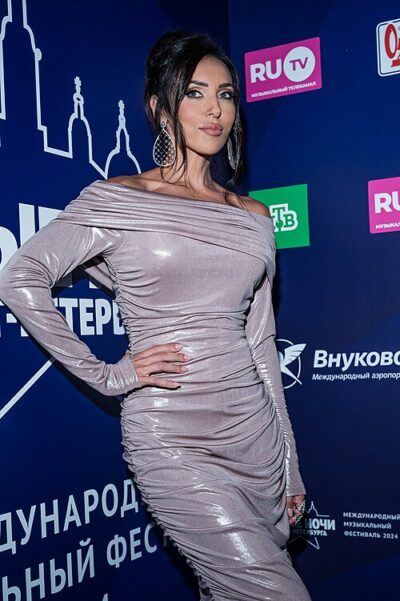 Alsou (2009)Russian singer (born 1983)
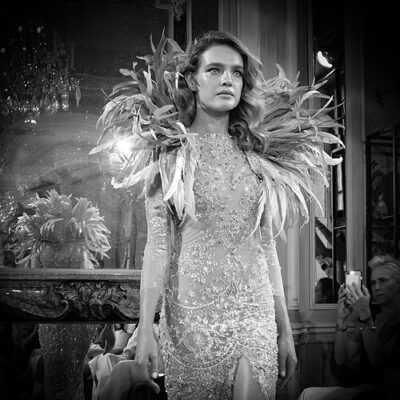 Natalia Vodianova (2009)Russian model
 Ivan Urgant (2007)Russian television host (born 1978)
 Oleg Yankovsky (2006)Soviet and Russian actor (1944-2009)
 Vladimir Solovyov (2005)Russian television presenter
 Anastasia Zavorotnyuk (2005)Russian actress (1971–2024)
 Vladimir Maslachenko (2000)Soviet footballer (1936-2010)
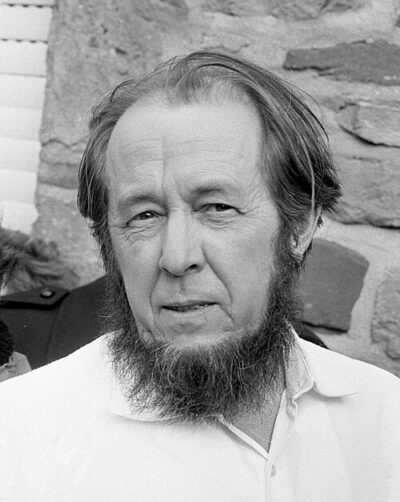 Aleksandr SolzhenitsynRussian writer, publicist, poet and politician (1918–2008)
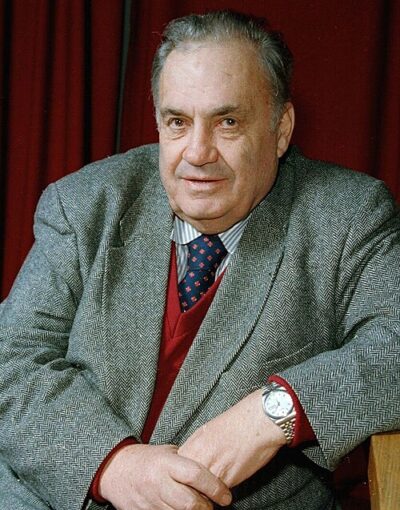 Eldar RyazanovSoviet and Russian film director (1927–2015)
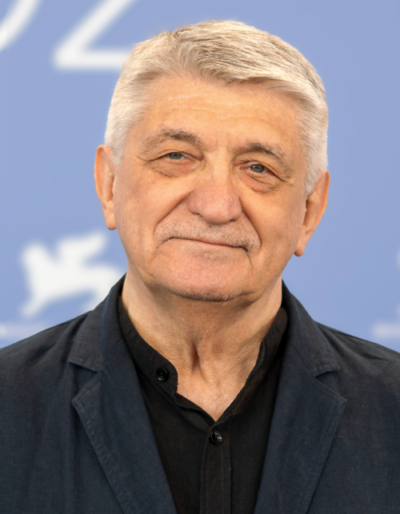 Alexander SokurovRussian film director (born 1951)
 Chulpan KhamatovaRussian actress
 Fyodor BondarchukRussian cinematographist
 Vladislav ListyevRussian journalist (1956-1995)
 Inna ChurikovaSoviet and Russian actress (1943–2023)
 Vera AlentovaSoviet and Russian actress (1942–2025)
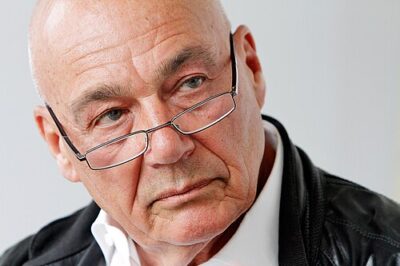 Vladimir PoznerFrench-Russian-American journalist (1934- )
 Vladimir MashkovSoviet and Russian actor and film director
 Tatyana TolstayaRussian writer
 Edvard RadzinskyRussian historian
