The Adventures of Augie March
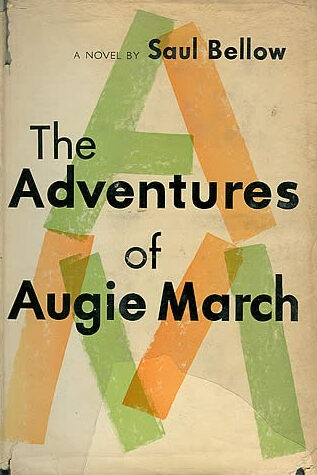
The Adventures of Augie March is a 1953 novel by Saul Bellow. It won the National Book Award for Fiction.
- Published
- September 18, 1953
- Written by
- Saul Bellow
- Genre
- picaresque novel
- Country of origin
- United States
All 10 facts, and where they come from
Facts
10 facts · 0 confirmed by two sources · 0 cited · 10 from one source
Where this comes from
Papalocal keeps its own record. It started from these sources; what each one said is kept here as it was copied, so a change on their side never changes this page by itself. Tap one to read its version.
What Wikidata says · copied November 16, 2026 · revision 2511631455
- Described as
- 1953 novel by Saul Bellow
- What it is
- written work
- Written by
- Saul Bellow
- Publisher
- Viking Press
- Genre
- picaresque novel
- Published
- September 18, 1953 · 1 reference
- Language
- English
- Country of origin
- United States
- Comes after
- The Victim
- Followed by
- Seize the Day
- Awards
- National Book Award for Fiction (1954)
- Wikipedias with a page
- 12
Wikidata item Q1771746 (wikidata.org/wiki/Q1771746), public domain (CC0). Copied 2026-11-16.
What Wikipedia says · copied November 16, 2026 · revision 1384251332
The Adventures of Augie March is a picaresque novel by Saul Bellow, published in 1953 by Viking Press. It features the eponymous Augie March, who grows up during the Great Depression, and it is an example of Bildungsroman, tracing the development of an individual through a series of encounters, occupations and relationships from boyhood to manhood.
The Adventures of Augie March won the 1954 U.S. National Book Award for Fiction. Both Time magazine and the Modern Library Board named it one of the hundred best novels in the English language.
From the Wikipedia article “The Adventures of Augie March” (en.wikipedia.org/wiki/The_Adventures_of_Augie_March), by its contributors, under CC BY-SA 4.0 (creativecommons.org/licenses/by-sa/4.0/). Copied 2026-11-16; not changed.
Confirmed Two sources agree. Cited One source, and it names where it got it. One source One source, without a reference of its own. Sources disagree The sources disagree. We show the best-supported value and keep theirs below.
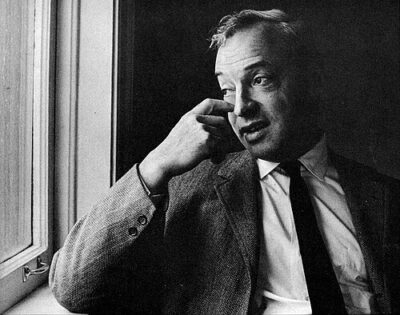
Picture: Saul Bellow, via Wikimedia Commons · Public domain