The Alchemy of Happiness
The Alchemy of Happiness is a book by Al-Ghazali.
- Written by
- Al-Ghazali
- Country of origin
- Iran
All 4 facts, and where they come from
Facts
4 facts · 0 confirmed by two sources · 0 cited · 4 from one source
Where this comes from
Papalocal keeps its own record. It started from these sources; what each one said is kept here as it was copied, so a change on their side never changes this page by itself. Tap one to read its version.
What Wikidata says · copied November 17, 2026 · revision 2567231589
- Described as
- book by Al-Ghazali
- Other names
- Kimiya-yi sa'ādat
- What it is
- written work
- Written by
- Al-Ghazali
- Language
- Persian
- Country of origin
- Iran · 1 reference
- Wikipedias with a page
- 19
Wikidata item Q2784563 (wikidata.org/wiki/Q2784563), public domain (CC0). Copied 2026-11-17.
What Wikipedia says · copied November 17, 2026 · revision 1384259106
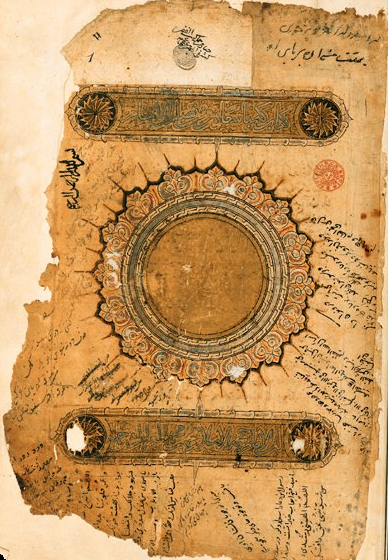
Kīmīyā-yi Sa'ādat (Persian: کیمیای سعادت English: The Alchemy of Happiness/Contentment) is a book written by Abū Ḥāmid Muḥammad ibn Muḥammad al-Ghazālī, a Persian theologian, philosopher, and prolific Muslim author, often regarded as one of the greatest systematic thinkers and mystics of Islam, in Persian. The Kimiya-yi Sa'ādat was written towards the end of his life shortly before 499 AH/1105 AD. During the time before it was written, the Muslim world was considered to be in a state of political, as well as intellectual unrest. Al-Ghazālī, noted that there were constant disputes about the role of philosophy and scholastic theology, and that Sufis became chastised for their neglect of the ritual obligations of Islam. Upon the release of this book, the Kimiya-yi sa'ādat allowed al-Ghazali to considerably cut the tensions between the scholars and mystics. Kimiya-yi sa'ādat emphasized the importance of observing the ritual requirements of Islam, the actions that would lead to salvation, and avoidance of sin. The factor that set the Kimiya-yi sa'ādat apart from other theological works at the time was its mystical emphasis on self-discipline and asceticism.
From the Wikipedia article “The Alchemy of Happiness” (en.wikipedia.org/wiki/The_Alchemy_of_Happiness), by its contributors, under CC BY-SA 4.0 (creativecommons.org/licenses/by-sa/4.0/). Copied 2026-11-17; not changed.
Confirmed Two sources agree. Cited One source, and it names where it got it. One source One source, without a reference of its own. Sources disagree The sources disagree. We show the best-supported value and keep theirs below.
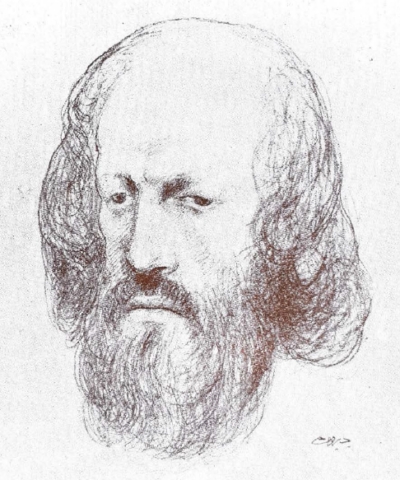
Picture: Al-Ghazali, via Wikimedia Commons · Public domain