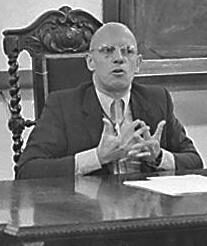
The Archaeology of Knowledge
The Archaeology of Knowledge is a non-fiction work by Michel Foucault. It came out in 1969.
- Published
- 1969
- Written by
- Michel Foucault
- Genre
- non-fiction
- Country of origin
- France
All 11 facts, and where they come from
Facts
11 facts · 0 confirmed by two sources · 0 cited · 11 from one source
Where this comes from
Papalocal keeps its own record. It started from these sources; what each one said is kept here as it was copied, so a change on their side never changes this page by itself. Tap one to read its version.
What Wikidata says · copied November 17, 2026 · revision 2564676472
- Described as
- non-fiction work by Michel Foucault
- Other names
- Archaeology of Knowledge, L’Archéologie du savoir
- What it is
- written work; monograph
- Written by
- Michel Foucault
- Publisher
- Éditions Gallimard
- Genre
- non-fiction; epistemology; philosophy
- Published
- 1969
- Language
- French
- Country of origin
- France · 1 reference
- Field
- philosophy
- Wikipedias with a page
- 18
Wikidata item Q2704678 (wikidata.org/wiki/Q2704678), public domain (CC0). Copied 2026-11-17.
What Wikipedia says · copied November 17, 2026 · revision 1384797670
The Archaeology of Knowledge (French: L’archéologie du savoir) by Michel Foucault is a 1969 treatise about the methodology and historiography of the systems of thought (epistemes) and of knowledge (discursive formations). Foucault argues that these systems follow hidden rules that shape the limits of language and thought in any period or domain. The archaeology of knowledge is the analytical method that Foucault used in Madness and Civilization: A History of Insanity in the Age of Reason (1961), The Birth of the Clinic: An Archaeology of Medical Perception (1963), and The Order of Things: An Archaeology of the Human Sciences (1966).
From the Wikipedia article “The Archaeology of Knowledge” (en.wikipedia.org/wiki/The_Archaeology_of_Knowledge), by its contributors, under CC BY-SA 4.0 (creativecommons.org/licenses/by-sa/4.0/). Copied 2026-11-17; not changed.
Confirmed Two sources agree. Cited One source, and it names where it got it. One source One source, without a reference of its own. Sources disagree The sources disagree. We show the best-supported value and keep theirs below.