The Barber of Seville
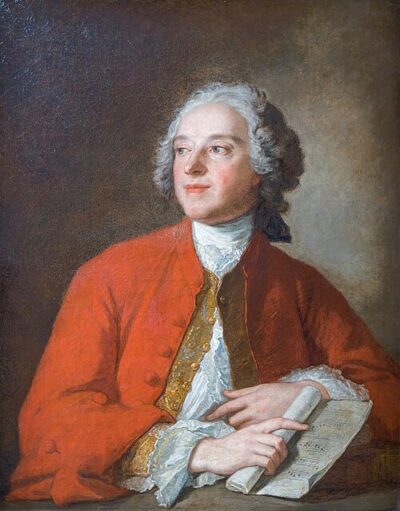
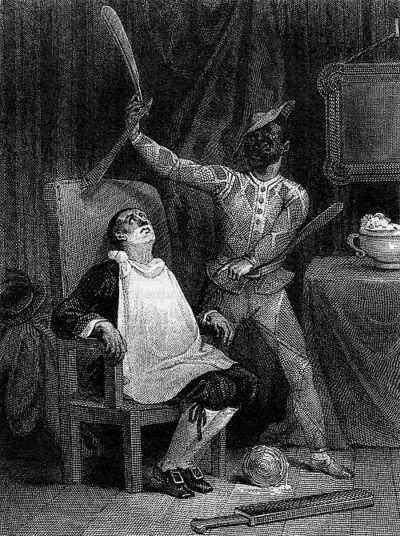
The Barber of Seville is a French play by Pierre Beaumarchais. It came out in 1775. It was written by Pierre-Augustin de Beaumarchais.
- Published
- February 23, 1775
- Written by
- Pierre-Augustin de Beaumarchais
- Genre
- comedy
- Country of origin
- France
All 6 facts, and where they come from
Facts
6 facts · 0 confirmed by two sources · 0 cited · 6 from one source
Where this comes from
Papalocal keeps its own record. It started from these sources; what each one said is kept here as it was copied, so a change on their side never changes this page by itself. Tap one to read its version.
What Wikidata says · copied November 17, 2026 · revision 2492496502
- Described as
- French play by Pierre Beaumarchais
- What it is
- literary work
- Written by
- Pierre-Augustin de Beaumarchais
- Genre
- comedy
- Published
- February 23, 1775
- Language
- French
- Country of origin
- France
- Wikipedias with a page
- 15
Wikidata item Q632743 (wikidata.org/wiki/Q632743), public domain (CC0). Copied 2026-11-17.
What Wikipedia says · copied November 17, 2026 · revision 1379210328
The Barber of Seville or the Useless Precaution (French: Le Barbier de Séville ou la Précaution inutile) is a French play by Pierre Beaumarchais, with original music by Antoine-Laurent Baudron. It was initially conceived as an opéra comique, and was rejected as such in 1772 by the Comédie-Italienne. The play as it is now known was written in 1773, but, due to legal and political problems of the author, it was not performed until February 23, 1775, at the Comédie-Française in the Tuileries. It is the first play in a trilogy of which the other constituents are The Marriage of Figaro and The Guilty Mother.
Though the play was poorly received at first, Beaumarchais worked some fast editing of the script, turning it into a roaring success after three days. The play's title might be a pun on Tirso de Molina's earlier play El Burlador de Sevilla (The Trickster of Seville).
Mozart wrote a set of 12 variations, K. 354, on one of Baudron's songs, "Je suis Lindor".
From the Wikipedia article “The Barber of Seville (play)” (en.wikipedia.org/wiki/The_Barber_of_Seville_(play)), by its contributors, under CC BY-SA 4.0 (creativecommons.org/licenses/by-sa/4.0/). Copied 2026-11-17; not changed.
Confirmed Two sources agree. Cited One source, and it names where it got it. One source One source, without a reference of its own. Sources disagree The sources disagree. We show the best-supported value and keep theirs below.
Picture: Unknown author, via Wikimedia Commons · Public domain