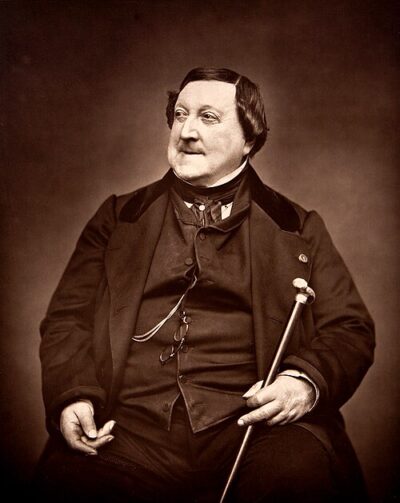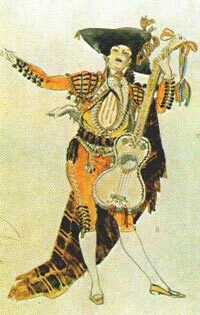
The Barber of Seville
The Barber of Seville is a 1816 opera by Gioachino Rossini. It came out in 1815.
- Released
- 1815
- Came out
- 1816
- Genre
- opera buffa
- Country of origin
- Italy
All 9 facts, and where they come from
Facts
9 facts · 0 confirmed by two sources · 3 cited · 6 from one source
Where this comes from
Papalocal keeps its own record. It started from these sources; what each one said is kept here as it was copied, so a change on their side never changes this page by itself. Tap one to read its version.
What Wikidata says · copied November 17, 2026 · revision 2542478240
- Described as
- 1816 opera by Gioachino Rossini
- Other names
- Il barbiere di Siviglia, Barber of Seville
- What it is
- dramatico-musical work
- Music by
- Gioachino Rossini · 1 reference
- Genre
- opera buffa; opera · 1 reference
- Released
- 1815
- Language
- Italian
- Country of origin
- Italy
- Based on
- The Barber of Seville · 1 reference
- Came out
- 1816 · 1 reference
- Wikipedias with a page
- 50
Wikidata item Q208659 (wikidata.org/wiki/Q208659), public domain (CC0). Copied 2026-11-17.
What Wikipedia says · copied November 17, 2026 · revision 1384537385
The Barber of Seville, or The Useless Precaution (Italian: Il barbiere di Siviglia, ossia L'inutile precauzione [il barˈbjɛːre di siˈviʎʎa osˈsiːa liˈnuːtile prekautˈtsjoːne]) is an opera buffa (comic opera) in two acts composed by Gioachino Rossini with an Italian libretto by Cesare Sterbini. The libretto was based on Pierre Beaumarchais's French comedy The Barber of Seville (1775). The premiere of Rossini's opera (under the title Almaviva, o sia L'inutile precauzione) took place on 20 February 1816 at the Teatro Argentina, Rome, with designs by Angelo Toselli.
Rossini's Barber of Seville is considered to be one of the greatest masterpieces of comedy within music, and has been described as the opera buffa of all "opere buffe". After two centuries, it remains a popular work.
From the Wikipedia article “The Barber of Seville” (en.wikipedia.org/wiki/The_Barber_of_Seville), by its contributors, under CC BY-SA 4.0 (creativecommons.org/licenses/by-sa/4.0/). Copied 2026-11-17; not changed.
Confirmed Two sources agree. Cited One source, and it names where it got it. One source One source, without a reference of its own. Sources disagree The sources disagree. We show the best-supported value and keep theirs below.
Picture: Wikimedia Commons · Public domain